World
US escalates strikes on Iran over 9 straight nights as 3 service members killed
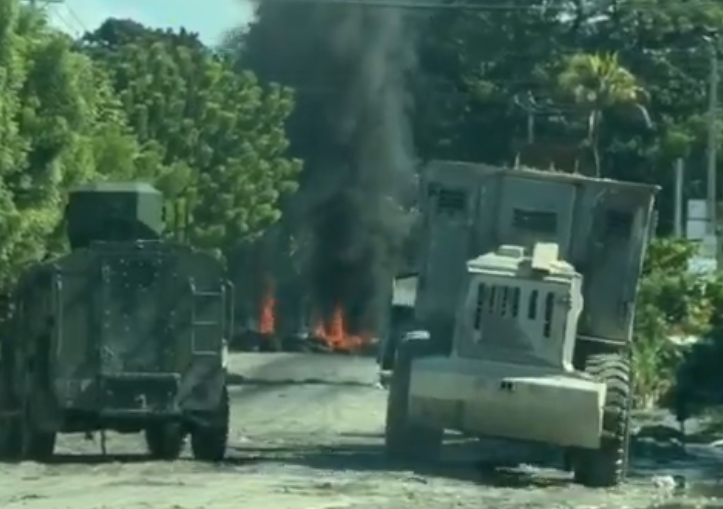
An American service member was killed in Iraq on Saturday during the controlled detonation of a downed Iranian drone. "We hit them very hard again tonight," Trump said. "And we did that in honor of the soldiers killed."
The United States dramatically expanded its military campaign against Iran overnight after three US servicemembers were killed last week, launching a ninth consecutive night of airstrikes.
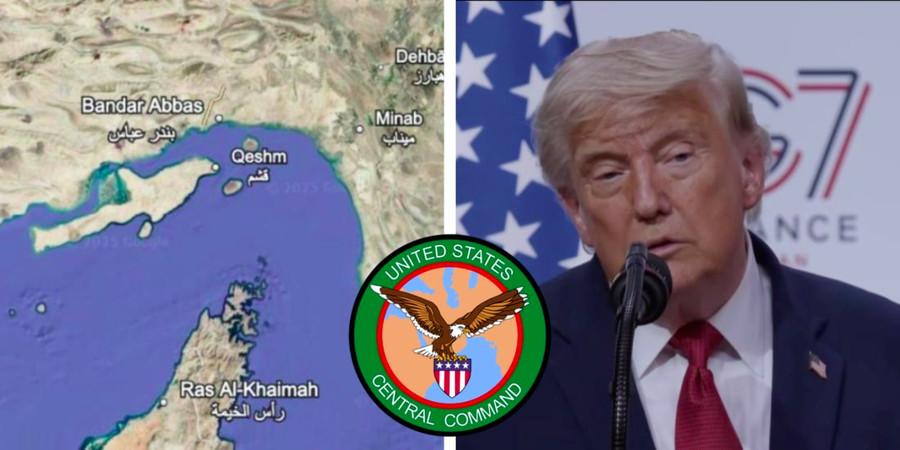
Tehran retaliated with missile attacks targeting Bahrain and Kuwait, per the AP. President Donald Trump confirmed the turn of events after the Pentagon announced that a US service member was killed in Iraq on Saturday during the controlled detonation of a downed Iranian drone. "We hit them very hard again tonight," Trump said. "And we did that in honor of the soldiers killed." U.S. Central Command said American forces struck Iranian military command centers, air defense systems, coastal surveillance sites, missile and drone launch positions, maritime capabilities and communications networks across multiple locations.
The conflict has also intensified in the Strait of Hormuz, through which roughly one-fifth of the world's traded oil previously passed. Shipping traffic has been severely disrupted, with the British military's United Kingdom Maritime Trade Operations reporting that a vessel caught fire after being struck near the Omani coastline. Its crew abandoned ship, leaving the vessel adrift and burning.
The Revolutionary Guard later claimed responsibility for targeting tankers operating in the strategic waterway. The worsening conflict has continued to send shockwaves through global energy markets, while the US military has also tightened pressure on Iran's energy exports.
American forces last week reimposed a naval blockade targeting Iranian ports used for crude oil shipments, with officials saying six vessels had been redirected and another disabled. Despite the expanding military campaign, Secretary of State Marco Rubio insisted Washington remains open to negotiations. "We're going to continue to respond," Rubio said. "If the door opens to diplomacy — if the guys that want to do something productive for Iran win and take control of that system, or take control of the negotiations — that'll be a very positive development. That's not where we are tonight, unfortunately."
Since the conflict began on Feb. 28, 17 US service members have been killed.
Related
More World