World
BREAKING: Trump slams Israel over Hezbollah war, says strikes on civilian buildings 'too destructive'
"Israel's fighting Hezbollah too long and too many people are being killed," Trump said. "You don't have to knock down an apartment house every time you're looking for somebody."
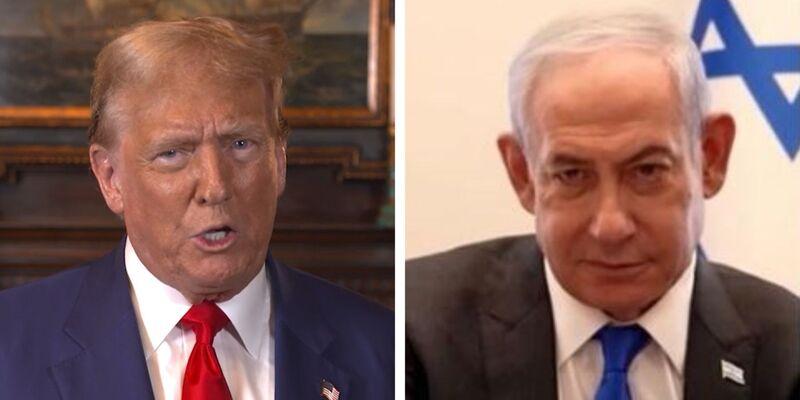
President Donald Trump publicly criticized Israel for its conduct in its war against Hezbollah on Tuesday, arguing that the conflict has dragged on too long and resulted in too many civilian deaths.
Speaking to reporters, Trump said Israel's military campaign has become excessively destructive, particularly when strikes level residential buildings in pursuit of individual targets.
"Israel's fighting Hezbollah too long and too many people are being killed," Trump said. "You don't have to knock down an apartment house every time you're looking for somebody."
The comments mark some of Trump's sharpest public criticism of Israel since returning to office and come amid growing signs of frustration within the administration over Israeli military operations in Lebanon.
Trump suggested there were alternatives to Israel's current approach and indicated he had urged Israeli officials to rely more heavily on regional partners.
"If Israel can't do the job without killing everyone else, [Syria] will do the job," Trump said, referring to efforts to target Hezbollah without the large-scale destruction that has accompanied parts of the conflict.
The remarks are likely to fuel speculation that the White House is reassessing its approach to Israel's military campaign after months of tensions behind the scenes.
Just days ago, Vice President JD Vance revealed that Israeli strikes in Beirut nearly derailed negotiations between the United States and Iran that ultimately resulted in a peace agreement between Washington and Tehran.
Vance said administration officials became concerned Iran was preparing a major missile retaliation after Israeli operations in Lebanon threatened to destabilize ongoing diplomatic efforts.
Reports have also suggested that Trump has become increasingly frustrated with Israel's recent actions. Trump described Netanyahu as "f*cking crazy" during a phone call and complained about Israel's continued military actions in Lebanon at a time when the administration was attempting to secure broader regional agreements.
The comments are likely to be closely watched both in Jerusalem and across the Middle East as the administration continues to pursue a broader diplomatic realignment in the region while seeking to contain Hezbollah and prevent a wider regional war.
Related
More World