World
US brokers Israel-Lebanon ceasefire deal contingent on Hezbollah disarmament, withdrawal from southern Lebanon
"This achievement would not have been possible without the leadership of President Trump, Prime Minister Netanyahu, and President Aoum, and we are thankful for their leadership."
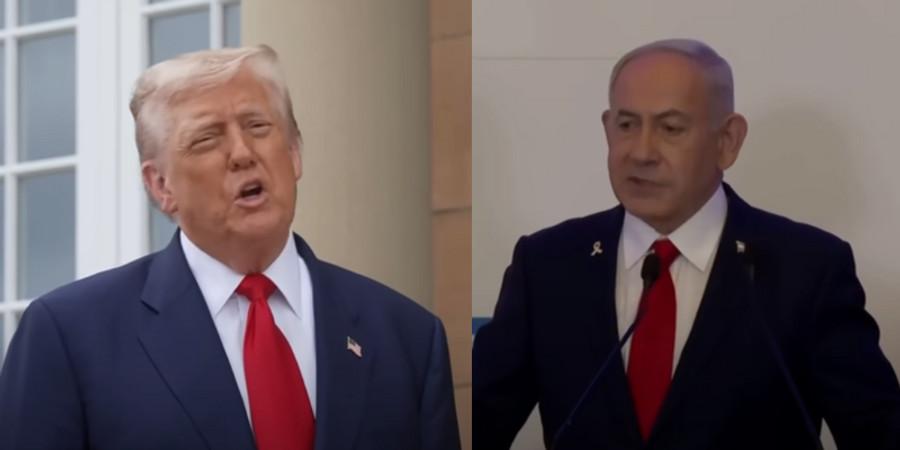
The United States announced Tuesday that it has brokered a ceasefire agreement between Israel and Lebanon, with the deal hinging on a complete halt to attacks by the Iran-backed terrorist group Hezbollah and the removal of its operatives from southern Lebanon.
The agreement emerged from a fourth high-level trilateral meeting between US, Israeli, and Lebanese officials held June 2 and 3. According to the State Department, the ceasefire is contingent upon the "complete cessation of Hizballah fire" and the evacuation of all Hezbollah fighters from Lebanon's South Litani Sector. As part of the deal, Israel and Lebanon agreed to establish pilot zones that will be placed under the exclusive control of the Lebanese Armed Forces, preventing non-state militant groups from operating in the area.
Secretary of State Marco Rubio underscored the administration's position on Hezbollah, describing the Iranian proxy as a threat not only to Israel and the United States, but also to Lebanon itself. "Hezbollah is not just an enemy of Israel and an enemy of America, but it is an enemy of Lebanon," Rubio said.
The United States also pledged support to help Lebanon strengthen its military's capacity to exercise control throughout the country and enforce the terms of the agreement.
In a joint statement, Israel and Lebanon reaffirmed that they "have no hostile intent toward one another" and committed to continuing direct negotiations aimed at resolving outstanding disputes and advancing toward a comprehensive peace agreement. Officials said discussions also focused on a broader security framework designed to safeguard the sovereignty and territorial integrity of both countries. The framework includes the dismantling of non-state armed groups and measures to prevent their re-emergence.
The parties jointly condemned Iran's attacks and destabilizing activities throughout the Middle East, including Tehran's support for proxy organizations operating across the region.
Israel reiterated that lasting security can only be achieved through the complete disarmament of Hezbollah and the dismantling of its infrastructure throughout Lebanon. Meanwhile, Lebanon reaffirmed its commitment to state sovereignty, internationally recognized borders, and the implementation of the ceasefire.
The United States emphasized that any agreement must be reached directly between the governments of Israel and Lebanon, rejecting efforts by outside actors to dictate Lebanon's future.
Israeli Ambassador Yechiel Leiter said, "This achievement would not have been possible without the leadership of President Trump, Prime Minister Netanyahu, and President Aoum, and we are thankful for their leadership," Leiter said following the announcement.
The two sides are scheduled to reconvene during the week of June 22 for further political and security talks as negotiators work toward a broader peace and security agreement. The United States has agreed to continue facilitating communication between the parties in the interim as talks continue toward a comprehensive peace treaty.
Related
More World