World
Bathrooms, changing rooms must be used on basis of biological sex, UK equality commission says
The EHRC’s proposed guidance, which has been approved by ministers, also states that people who identify as transgender should be offered alternative accommodations in some situations.
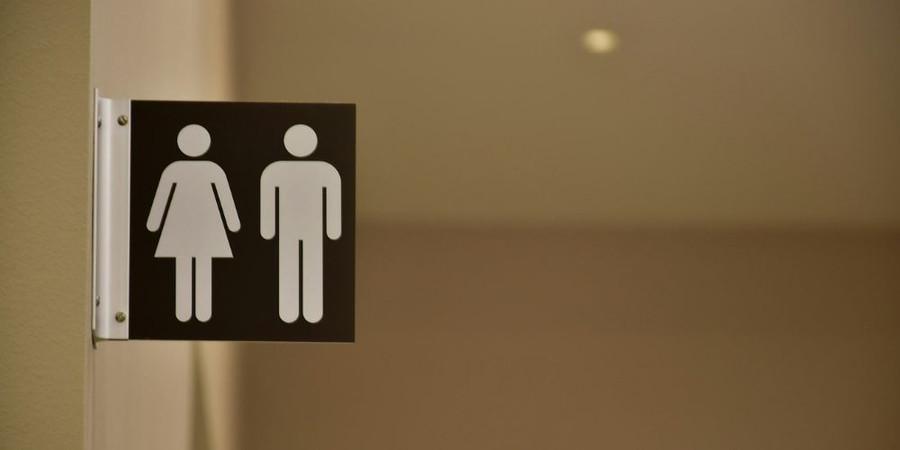
The Equalities and Human Rights Commission (EHRC) in the United Kingdom has issued guidance stating that single-sex spaces such as bathrooms and changing rooms should be used according to biological sex rather than so-called gender identity.
The EHRC’s proposed guidance, which has been approved by ministers, also states that people who identify as transgender should be offered alternative accommodations in some situations. The code says that leaving a transgender-identifying person without alternatives beyond traditional male and female facilities could amount to discrimination.
The commission said gender-neutral toilets or changing rooms should include self-contained, lockable spaces with floor-to-ceiling walls. The guidance also argues that the requirements are not overly restrictive, noting that service providers could decide whether trans-identifying individuals may use facilities designated for disabled people. Businesses could also choose to move entirely to single-use unisex facilities.
The guidance was published on Thursday and follows a Supreme Court ruling last year defining a woman on the basis of biological sex under the Equality Act. The more than 300-page code had originally been submitted to the government last September.
According to the BBC, Women and Equalities Minister Bridget Phillipson explained that the guidance was intended to allow people to be free from harassment.
"Our focus has always been making sure organisations have clear, accessible guidance on how to implement the law," she explained.
The government spent roughly eight months reviewing the code after receiving it from the EHRC, longer than the six weeks the commission had expected ministers would need to request revisions or present it to Parliament.
Related
More World