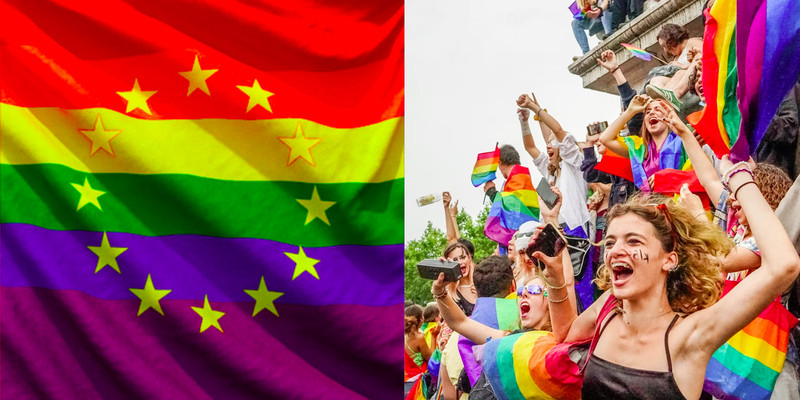

The European Union’s highest court has ruled that Hungary’s law restricting LGBTQ-related content violates EU law, handing down a decision that lands just weeks before a new government takes power.
In its judgment, the European Court of Justice said the 2021 legislation breaches core principles of the bloc, including non-discrimination and freedom of expression. The court said the law is “contrary to the very identity of the union as a common legal order in a society in which pluralism prevails,” and rejected Hungary’s defense, stating it could not “validly rely on its national identity” to justify the measure, reports The Guardian.
The law, often described as a “child protection” measure by Hungarian officials, bans the depiction of LGBTQ themes in school materials and restricts such content in television, films, and advertisements shown before 10 pm. Judges found that it “stigmatises and marginalises non-cisgender persons” and creates an association with criminal behavior “to encourage hateful conduct towards them.”
This is the first time the court has found a member state in violation of EU law solely on the basis of breaching the bloc’s fundamental values under Article 2, which include respect for human dignity, democracy, and the rule of law. The ruling also found Hungary in breach of rights related to human dignity and data protection.
Hungary has been ordered to comply with the decision without delay and to cover legal costs, including those of the European Commission, which brought the case with backing from 16 member states and the European Parliament.
The decision comes as Péter Magyar prepares to take office after a landslide election victory, ending Viktor Orbán’s 16-year tenure. Magyar has pledged to restore access to EU funding, some of which was frozen over the law and broader concerns about judicial independence, corruption, and asylum policy. He has not clearly said whether he will repeal the legislation.
Reaction from advocacy groups was immediate. Eszter Polgari of the Háttér Society called the ruling “a milestone for protecting human rights in the European Union” and “a historic victory for LGBTQI people in Hungary,” adding: “The [court] was firm: no state can outcast LGBTI people through stigmatising, and if needed, the [ECJ] steps up to protect these values.”
In its judgment, the European Court of Justice said the 2021 legislation breaches core principles of the bloc, including non-discrimination and freedom of expression. The court said the law is “contrary to the very identity of the union as a common legal order in a society in which pluralism prevails,” and rejected Hungary’s defense, stating it could not “validly rely on its national identity” to justify the measure, reports The Guardian.
The law, often described as a “child protection” measure by Hungarian officials, bans the depiction of LGBTQ themes in school materials and restricts such content in television, films, and advertisements shown before 10 pm. Judges found that it “stigmatises and marginalises non-cisgender persons” and creates an association with criminal behavior “to encourage hateful conduct towards them.”
This is the first time the court has found a member state in violation of EU law solely on the basis of breaching the bloc’s fundamental values under Article 2, which include respect for human dignity, democracy, and the rule of law. The ruling also found Hungary in breach of rights related to human dignity and data protection.
Hungary has been ordered to comply with the decision without delay and to cover legal costs, including those of the European Commission, which brought the case with backing from 16 member states and the European Parliament.
The decision comes as Péter Magyar prepares to take office after a landslide election victory, ending Viktor Orbán’s 16-year tenure. Magyar has pledged to restore access to EU funding, some of which was frozen over the law and broader concerns about judicial independence, corruption, and asylum policy. He has not clearly said whether he will repeal the legislation.
Reaction from advocacy groups was immediate. Eszter Polgari of the Háttér Society called the ruling “a milestone for protecting human rights in the European Union” and “a historic victory for LGBTQI people in Hungary,” adding: “The [court] was firm: no state can outcast LGBTI people through stigmatising, and if needed, the [ECJ] steps up to protect these values.”