An official inquiry into the 2024 Southport murders has concluded that concerns about the risk posed by Axel Rudakubana were downplayed by professionals who feared being accused of being racist. The findings were set out in a 760-page report led by inquiry chairman Sir Adrian Fulford, which examined how multiple agencies handled repeated warning signs about the teenager before the attack.
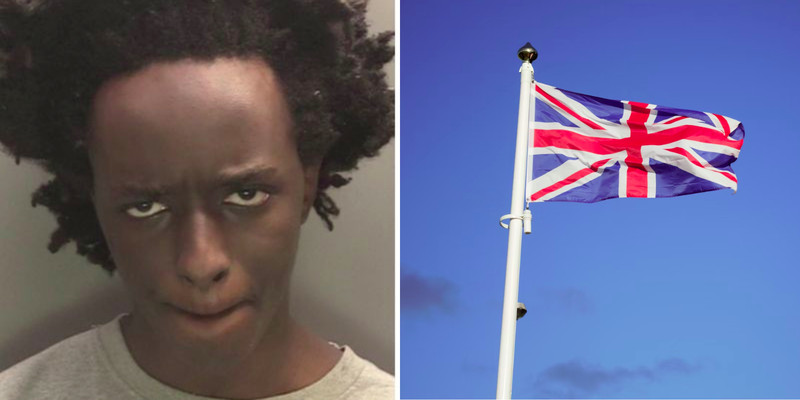
Rudakubana, who was born in Wales to Rwandan parents, had been excluded from mainstream education at age 13 after taking a knife into class and was placed in a pupil referral unit. He was sentenced in January of 2025 to over 50 years in prison for fatally stabbing three girls and injuring 10 others during a Taylor Swift-themed dance class.
It was there that staff quickly flagged serious mental issues. Headteacher Joanne Hodson told the inquiry she considered him “very high risk” from the outset and described his behavior as “devoid of any remorse”. When she raised concerns about the danger he could pose however, she said she was challenged by a children’s mental health worker over potential bias. Hodson said she was accused of “racially stereotyping [Rudakubana] as ‘a black boy with a knife’”.
She told the inquiry that the accusation of “racial profiling” had “effectively shut me up”. The report said parts of his education and health care documentation were later altered, including replacing a reference to “sinister” internet activity with the word “inappropriate”. Inquiry chairman Sir Adrian Fulford said it was “unwise” for the mental health worker to raise concerns about racial stereotyping in that context, though he noted there was no finding of a direct accusation made against Hodson, according to the Daily Mail.
He added that the exchange nevertheless had the effect of shutting down discussion at a critical moment, and that insufficient weight was given to risks posed by the teenager. Sir Adrian concluded that a “catastrophic” failure across agencies allowed opportunities to intervene to be missed. He said that if the killer’s parents had reported his behavior earlier, he would likely not have been free on the day of the attack.
The report also criticized what it described as a “merry-go-round” of referrals between services, including police, NHS mental health teams, the Prevent counter-extremism program, and local authorities. It found that Rudakubana was repeatedly treated through the lens of autism alone, rather than as a broader risk factor alongside escalating violent behaviour.
Fulford wrote that there was a “scant regard” and “lack of curiosity” about the student's online activity, which included violent and misogynistic material that he said contributed to his fixation on violence. He also cited earlier incidents, including an attack on a pupil with a hockey stick in 2019 and a 2022 case where Rudakubana was found with a knife after being reported missing. Police later acknowledged there had been an opportunity to arrest him at that stage.
Lancashire Constabulary Chief Constable Sacha Hatchett said, as reported by the BBC, that the force accepted there had been an opportunity to detain him and expressed regret.
Fulford described the 2019 incident as a “watershed moment” and said it demonstrated an intent to cause serious harm.
The inquiry said Rudakubana’s father had withheld information about weapons, while agencies failed to properly share intelligence that could have altered the outcome.
Home Secretary Shabana Mahmood said the government would act on the findings and that a second phase of the inquiry would examine wider risk management systems, including internet influence and information sharing between agencies.
Rudakubana, who was born in Wales to Rwandan parents, had been excluded from mainstream education at age 13 after taking a knife into class and was placed in a pupil referral unit. He was sentenced in January of 2025 to over 50 years in prison for fatally stabbing three girls and injuring 10 others during a Taylor Swift-themed dance class.
It was there that staff quickly flagged serious mental issues. Headteacher Joanne Hodson told the inquiry she considered him “very high risk” from the outset and described his behavior as “devoid of any remorse”. When she raised concerns about the danger he could pose however, she said she was challenged by a children’s mental health worker over potential bias. Hodson said she was accused of “racially stereotyping [Rudakubana] as ‘a black boy with a knife’”.
She told the inquiry that the accusation of “racial profiling” had “effectively shut me up”. The report said parts of his education and health care documentation were later altered, including replacing a reference to “sinister” internet activity with the word “inappropriate”. Inquiry chairman Sir Adrian Fulford said it was “unwise” for the mental health worker to raise concerns about racial stereotyping in that context, though he noted there was no finding of a direct accusation made against Hodson, according to the Daily Mail.
He added that the exchange nevertheless had the effect of shutting down discussion at a critical moment, and that insufficient weight was given to risks posed by the teenager. Sir Adrian concluded that a “catastrophic” failure across agencies allowed opportunities to intervene to be missed. He said that if the killer’s parents had reported his behavior earlier, he would likely not have been free on the day of the attack.
The report also criticized what it described as a “merry-go-round” of referrals between services, including police, NHS mental health teams, the Prevent counter-extremism program, and local authorities. It found that Rudakubana was repeatedly treated through the lens of autism alone, rather than as a broader risk factor alongside escalating violent behaviour.
Fulford wrote that there was a “scant regard” and “lack of curiosity” about the student's online activity, which included violent and misogynistic material that he said contributed to his fixation on violence. He also cited earlier incidents, including an attack on a pupil with a hockey stick in 2019 and a 2022 case where Rudakubana was found with a knife after being reported missing. Police later acknowledged there had been an opportunity to arrest him at that stage.
Lancashire Constabulary Chief Constable Sacha Hatchett said, as reported by the BBC, that the force accepted there had been an opportunity to detain him and expressed regret.
Fulford described the 2019 incident as a “watershed moment” and said it demonstrated an intent to cause serious harm.
The inquiry said Rudakubana’s father had withheld information about weapons, while agencies failed to properly share intelligence that could have altered the outcome.
Home Secretary Shabana Mahmood said the government would act on the findings and that a second phase of the inquiry would examine wider risk management systems, including internet influence and information sharing between agencies.