
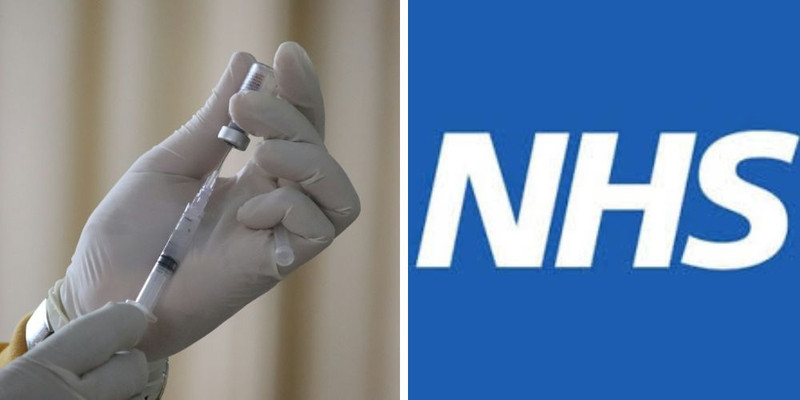

An NHS-backed experiment in the UK will see hundreds of children given puberty blockers as part of a new research program studying the drugs’ safety and effects.
The study plans to include up to 226 children, some as young as ten years old, who believe they are transgender. Participants will be injected with puberty-blocking drugs to determine whether they can be used safely in the future for children who self-identify as the sex opposite of their biological one.
The plan has sparked backlash, though researchers have rejected claims that the trial is “coercing” children into taking drugs that can carry significant side effects, including potential harm to fertility. Researchers say the program is the “most rigorous and safest study design” and will include “close monitoring” of possible risks.
The trials were first planned in 2024 following the publication of the Cass Review, which found that studies claiming puberty blockers are beneficial were of “poor” quality. The review recommended “a full programme of research should be established to look at the characteristics, interventions and outcomes of every young person presenting to the NHS gender services.” Puberty blockers have since been banned from being prescribed by the NHS.
Under the experiment, 113 children will be given puberty blockers for two years, while another 113 will begin the drugs after a one-year delay. All participants will then be observed for two years. Children taking part must have parental or guardian permission and must receive an official diagnosis of “gender incongruence.”
Critics argue the trial raises obvious ethical questions.
“It’s outrageous that a trial involving yet more children being given puberty blockers has been given the go-ahead before studying outcomes for those already treated,” said Maya Forstater, CEO of sex based rights charity Sex Matters, according to the Daily Mail. “These drugs are a major intervention, with no evidence to suggest that they do any good and increasing reason to think they cause permanent harm. It’s both foolish and unethical to expose yet more children to experimental treatment.”
Additionally, a statement of concern has been signed by clinicians, researchers, and advocates. The statement, titled the “Memorandum of Understanding on the Role of Puberty in Adolescent Development” and posted at protectingpuberty.com, emphasizes puberty as an essential developmental process and opposes puberty suppression as an intervention for gender related distress in children.
“We regard further research into puberty suppression for gender-related distress as unjustified. Instead, we support first-line treatment approaches that are minimally invasive, developmentally appropriate, and ethically sound — including psychosocial support, psychotherapy, watchful waiting, and other non-medicalised interventions that may achieve positive outcomes without introducing irreversible risks,” the statement said.