CHRISTIANE EMERY: JK Rowling survived the 'TERF Trials' because fans refused to cancel Harry Potter
Hollywood may continue to navigate the tension between public signaling and private incentives, but its decisions ultimately reflect its audience's preferences.
The wizarding world created by J. K. Rowling did more than launch a successful book series. When Harry Potter debuted in the late 1990s, it arrived at a time when educators were increasingly concerned about declining reading interest among young people. As digital entertainment began to compete for attention, many feared that long-form reading was losing its place in childhood. Harry Potter reversed that trend almost overnight, with children lining up at midnight releases and eagerly working through increasingly lengthy books. The series drew in both children and their parents, creating a shared experience that has endured for decades.
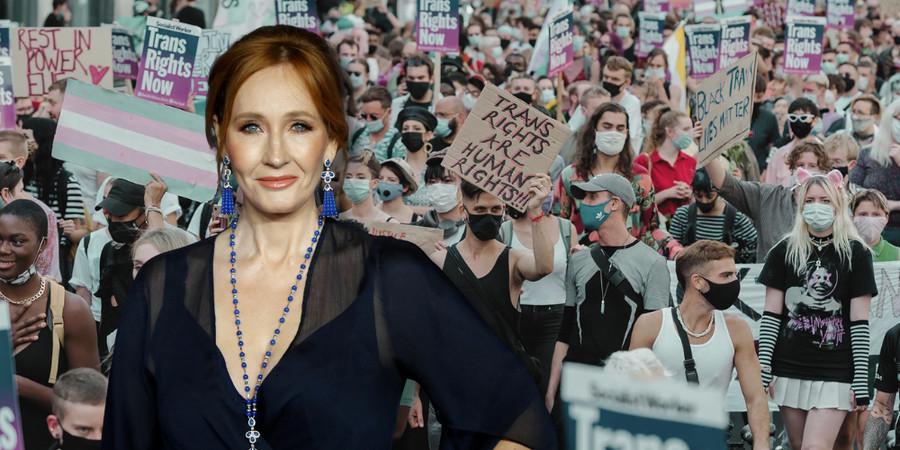
That enduring connection explains why Rowling ultimately survived the “TERF trials.” In recent years, she has faced sustained backlash for her views on gender, with critics attempting to remake her as a cultural outcast. Public figures distanced themselves, media narratives hardened, and social pressure campaigns sought to separate the creator from her creation. The intensity of the reaction suggested that Harry Potter would fade along with its creator.
What followed tells a different story. Despite the outrage, demand for the wizarding world never disappeared. Instead, it exposed a widening gap between public discourse and consumer behavior. Fans may approach Rowling with caution, aware of the social consequences of defending her, yet their engagement with her work has remained consistent. Consumers made their own decisions, which reinforced the value of the franchise.
That gap is already visible in the response to the upcoming HBO adaptation. Online reaction to the trailer has been intense, ranging from calls for boycotts to skepticism about the need for a reboot. At the same time, the numbers tell a different story. From Broadway productions to theme park expansions to the massive success of Hogwarts Legacy, consumers have not walked away. Within 48 hours of its release, the new trailer became the most-watched on the platform in history, underscoring the continued demand. Online outrage does not always translate into real-world behavior.
Hollywood understands this dynamic. The entertainment industry may signal progressive values in public, but its business model remains straightforward: follow the money. The money is still with Harry Potter. The upcoming HBO television adaptation backed by Warner Bros. Discovery reflects that reality.
The challenge for the new adaptation lies in balancing these competing pressures. There is an evident desire within parts of the industry to distance the brand from its creator. Yet, Rowling’s involvement in the original films helped maintain consistency and fidelity to the source material. Attempting to preserve the appeal of Harry Potter while minimizing the role of the person who shaped it raises a fundamental question: can that balance be sustained? The strength of the series has always rested on the integrity of its storytelling and the connection it fostered with its audience.
What makes the Harry Potter phenomenon so enduring is not just its narrative, but the relationship Rowling built with her audience. She was one of the first authors of her era to engage directly with fans, expand her world beyond the page, and make readers feel like participants in something larger. That connection does not disappear simply because it is inconvenient for a studio’s public relations strategy.
The broader lesson from the “TERF trials” is that cultural influence is not determined solely by media narratives or online activism. Public campaigns can shape perception and create reputational pressure, but they do not always dictate outcomes in the marketplace. When a body of work becomes deeply embedded in its audience's lives, that connection carries lasting weight. The response to Rowling illustrates that consumers retain agency, even in an environment where social expectations are constantly shifting.
Hollywood may continue to navigate the tension between public signaling and private incentives, but its decisions ultimately reflect its audience's preferences. As long as readers and viewers remain invested in the wizarding world, demand for Rowling’s creation will persist. The attempt to separate the art from the artist has proven more complicated than its advocates anticipated. In the end, the “TERF trials” did not fail because the outrage disappeared. They failed because it was never about virtue, and in Hollywood, the numbers will always outweigh the narrative.
Related
More Faith & Family