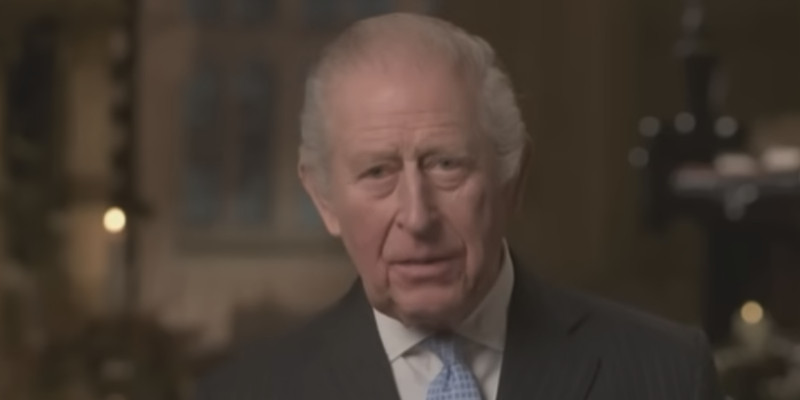

When he visits the Caribbean later in October, King Charles will not be issuing an apology for Britain’s role in the transatlantic slave trade. This comes as Caribbean and African nations have called for financial reparations and other forms of compensation for slavery.
A senior Palace aide said the King would “not shy away from the darkest days of our past,” however, questions regarding apologies and reparations were “matters for governments to address,” per the Times. The aide said that while King Charles is likely to express “sorrow,” he will not be saying “sorry” over fears an apology could be interpreted as an acknowledgement that international obligations have been breached.
King Charles’ nine-day tour of the Caribbean begins on October 27 with a three-day royal visit to the Bahamas. Following the visit, he will travel to Guyana for a state visit, and then will join the Queen in Antigua and Barbuda, where he will address officials attending the Commonwealth heads of government meeting.
Among the leaders he will be visiting with over the course of his visit is the president of Guyana, who has called for the UK and other European countries to “do the morally right thing” and agree to pay reparations.
A Palace spokesman said that the visit comes “at an important time in the history of the relationship between the United Kingdom and the countries of the Caribbean in particular. There are important discussions taking place in various fora about colonial legacy and the intergenerational impact of the transatlantic trade in enslaved persons. While these are primarily matters for governments to address, His Majesty’s previous statements on them have been unequivocal, describing them as an ‘atrocity’ which ‘forever stains our history.’”
The spokesman added, “The visit programme will therefore not shy away from ‘the darkest days of our past’, as His Majesty has described them, but in keeping with the wishes of our host nations, it will principally be oriented to the vibrant present and promising future of each country, with visit programmes developed in close consultation with their governments to reflect their individual priorities.”
“That said, it is important to note here the work His Majesty himself has done over many years both to acknowledge the wrongs of the past and to find creative ways to right inequalities that endure.”
A 19-point reparations proposal was adopted by the African Union and the CARICOM Reparations Commission in September, which calls for financial compensation, debt relief, the creation of a global reparations fund, and the return of cultural artifacts. Additionally, the proposal includes financing for “climate justice” as well as an expanded pathway of citizenship for those of African descent.
A senior Palace aide said the King would “not shy away from the darkest days of our past,” however, questions regarding apologies and reparations were “matters for governments to address,” per the Times. The aide said that while King Charles is likely to express “sorrow,” he will not be saying “sorry” over fears an apology could be interpreted as an acknowledgement that international obligations have been breached.
King Charles’ nine-day tour of the Caribbean begins on October 27 with a three-day royal visit to the Bahamas. Following the visit, he will travel to Guyana for a state visit, and then will join the Queen in Antigua and Barbuda, where he will address officials attending the Commonwealth heads of government meeting.
Among the leaders he will be visiting with over the course of his visit is the president of Guyana, who has called for the UK and other European countries to “do the morally right thing” and agree to pay reparations.
A Palace spokesman said that the visit comes “at an important time in the history of the relationship between the United Kingdom and the countries of the Caribbean in particular. There are important discussions taking place in various fora about colonial legacy and the intergenerational impact of the transatlantic trade in enslaved persons. While these are primarily matters for governments to address, His Majesty’s previous statements on them have been unequivocal, describing them as an ‘atrocity’ which ‘forever stains our history.’”
The spokesman added, “The visit programme will therefore not shy away from ‘the darkest days of our past’, as His Majesty has described them, but in keeping with the wishes of our host nations, it will principally be oriented to the vibrant present and promising future of each country, with visit programmes developed in close consultation with their governments to reflect their individual priorities.”
“That said, it is important to note here the work His Majesty himself has done over many years both to acknowledge the wrongs of the past and to find creative ways to right inequalities that endure.”
A 19-point reparations proposal was adopted by the African Union and the CARICOM Reparations Commission in September, which calls for financial compensation, debt relief, the creation of a global reparations fund, and the return of cultural artifacts. Additionally, the proposal includes financing for “climate justice” as well as an expanded pathway of citizenship for those of African descent.