
Caribbean and African nations are calling for financial reparations and other forms of compensation for the transatlantic slave trade, following a major conference in Ghana that concluded with a 19-point reparations proposal.
The plan, which was adopted on Friday by the African Union and the CARICOM Reparations Commission, calls for financial compensation, debt relief, the creation of a global reparations fund, and the return of cultural artifacts.
According to a report by Fox News, the proposal is expected to be presented at the next session of the UN General Assembly.
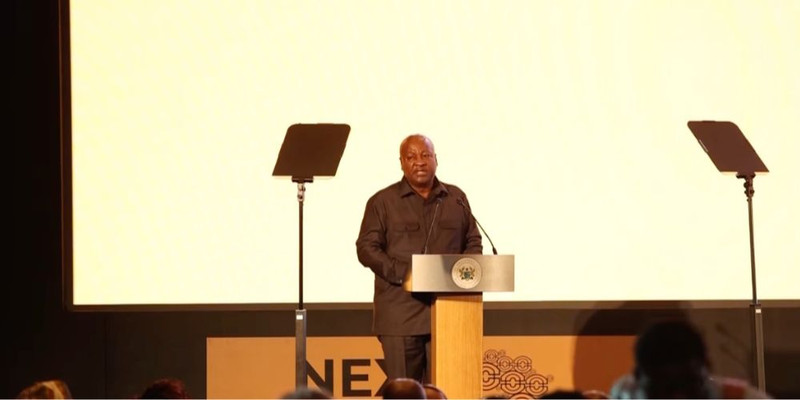
The conference was attended by leaders from Namibia, Liberia, Senegal, Barbados, and São Tomé and Principe, among others. Ghanaian President John Dramani Mahama argued that while modern nations should not be held responsible for the guilt of slavery, its consequences should be acknowledged.
"None of us gathered in this hall today can be held personally responsible for the atrocities of the transatlantic slave trade," Mahama said. "History does not ask us to inherit guilt, but it asks us to inherit responsibility.”
Among the proposals is also financing for so-called climate justice as well as an expanded pathway of citizenship for those of African descent.
Back in March, the UN voted to recognize transatlantic slavery as the "gravest crime against humanity,” with the resolution passing with 123 votes while the US, Israel, and dozens of others abstained or voted against it. The resolution raised concerns among the US and European countries that it can be interpreted as establishing a tiered system in which atrocities in history are judged more favorably than others.
In a virtual address to the conference, French President Emmanuel Macron noted the negative impact of slavery, saying those enslaved were "torn from their homelands, deported, dehumanised, and treated as goods," and said reparations should not be seen "as an end point, or a cheque written to bring the story to a close."