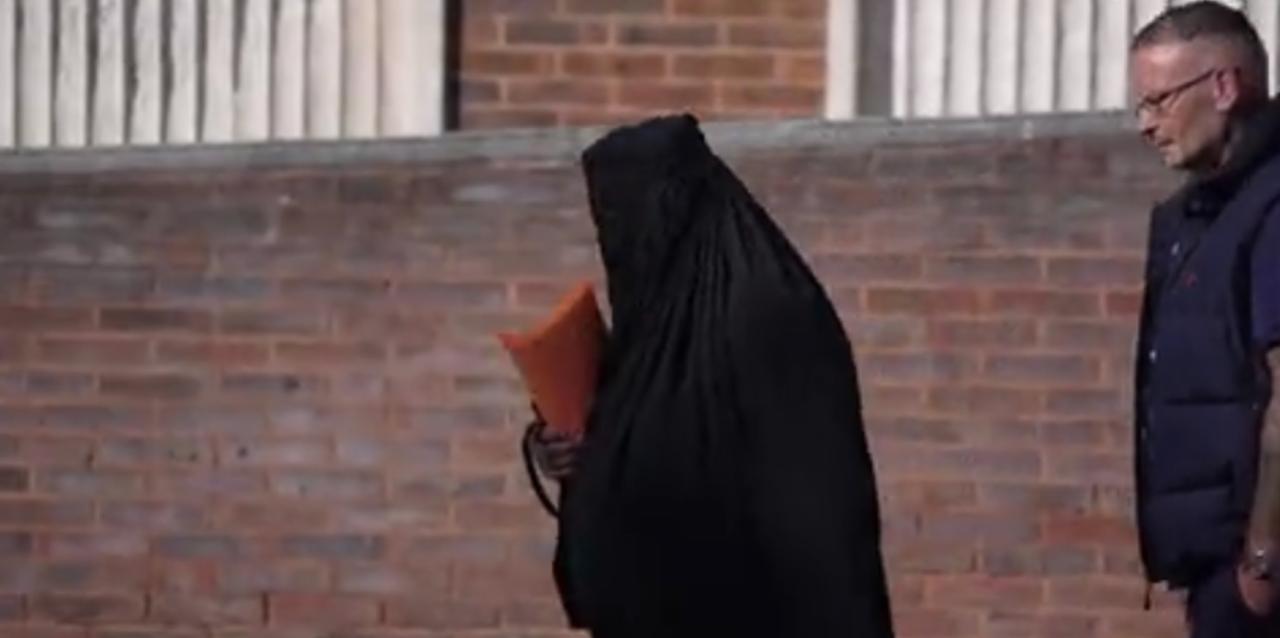
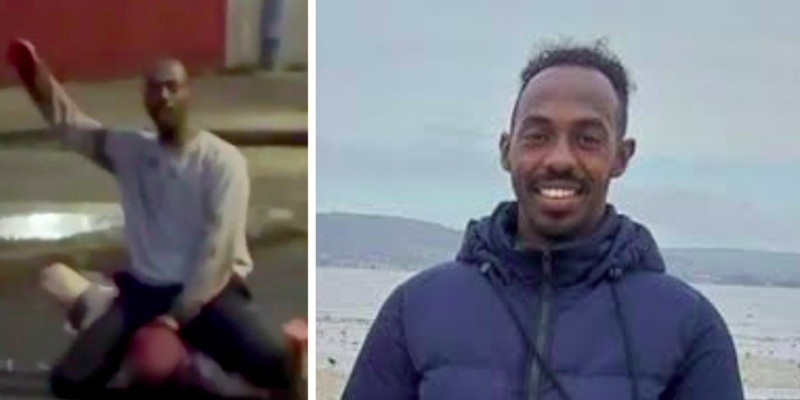

A Sudanese man charged in connection with the attempted beheading in Belfast is reported to have entered the United Kingdom through what security sources describe as a “backdoor” migration route involving Ireland and the Common Travel Area, according to reporting on cross-border migration patterns. The suspect, 30-year-old Hadi Alodid, is also a former policeman and comes from a well-known family in Sudan.
The case is revealing the flaws of how migrants abuse the system to move between continental Europe, Ireland and the UK without routine border checks within the Common Travel Area (CTA), a long-established arrangement covering the UK, Ireland, the Isle of Man and Channel Islands.
“The Common Travel Area has always been a weakness because we are relying on the Irish to check documents properly when they arrive in Northern Ireland and send them back if they are not in order,” said a Border Force insider to the Telegraph.
Alodid in the Belfast case is believed to have travelled from Sudan to Paris, and later from Paris to Dublin, before making his way to Northern Ireland in February 2023, where he claimed asylum shortly after arrival. Police officials have said he was later granted leave to remain in the UK in September 2023. According to the Telegraph, he is part of a prominent family in Sudan and is also a former police officer in the country.
Azheri Omer, a man who said he was friends with Alodid, told the outlet that after the suspect joined the Sudan police force in 2022, he only stayed on the force for a few months.
It is not known exactly how he travelled between France and Ireland, though aviation routes is one possibility discussed in reporting. Authorities have not confirmed whether he held valid documentation or claimed asylum in Ireland prior to entering Northern Ireland.
The CTA allows British and Irish citizens to move freely without visa checks, but migrants can move within the zone once inside it, with enforcement largely dependent on intelligence-led checks or spot inspections.
Albanian gangs have been accused of charging thousands of pounds to move migrants into Britain via Ireland using fraudulent identity documents, including fake EU IDs used to board flights.
“The Common Travel Area has always been a weakness because we are relying on the Irish to check documents properly when they arrive in Northern Ireland and send them back if they are not in order,” a Border Force insider said.
Officials estimate a portion of asylum seekers enter the UK via irregular or less tracked routes, but exact figures remains unclear. Migration researchers have previously shown a small percentage fall outside recorded categories such as visa arrivals or small boat crossings.
Chris Philp, the shadow home secretary, said: “Because of the CTA, our border control relies on the Republic of Ireland controlling their border. A weakness in the Irish border is therefore also a weakness in the UK border. So more clearly needs to be done to strengthen our common external border and end illegal migration.”
A Home Office spokesman told the Telegraph: “The UK and Ireland are working closely together to improve the security of the Common Travel Area, while ensuring it remains open to legitimate travellers.”
The case is revealing the flaws of how migrants abuse the system to move between continental Europe, Ireland and the UK without routine border checks within the Common Travel Area (CTA), a long-established arrangement covering the UK, Ireland, the Isle of Man and Channel Islands.
“The Common Travel Area has always been a weakness because we are relying on the Irish to check documents properly when they arrive in Northern Ireland and send them back if they are not in order,” said a Border Force insider to the Telegraph.
Alodid in the Belfast case is believed to have travelled from Sudan to Paris, and later from Paris to Dublin, before making his way to Northern Ireland in February 2023, where he claimed asylum shortly after arrival. Police officials have said he was later granted leave to remain in the UK in September 2023. According to the Telegraph, he is part of a prominent family in Sudan and is also a former police officer in the country.
Azheri Omer, a man who said he was friends with Alodid, told the outlet that after the suspect joined the Sudan police force in 2022, he only stayed on the force for a few months.
It is not known exactly how he travelled between France and Ireland, though aviation routes is one possibility discussed in reporting. Authorities have not confirmed whether he held valid documentation or claimed asylum in Ireland prior to entering Northern Ireland.
The CTA allows British and Irish citizens to move freely without visa checks, but migrants can move within the zone once inside it, with enforcement largely dependent on intelligence-led checks or spot inspections.
Albanian gangs have been accused of charging thousands of pounds to move migrants into Britain via Ireland using fraudulent identity documents, including fake EU IDs used to board flights.
“The Common Travel Area has always been a weakness because we are relying on the Irish to check documents properly when they arrive in Northern Ireland and send them back if they are not in order,” a Border Force insider said.
Officials estimate a portion of asylum seekers enter the UK via irregular or less tracked routes, but exact figures remains unclear. Migration researchers have previously shown a small percentage fall outside recorded categories such as visa arrivals or small boat crossings.
Chris Philp, the shadow home secretary, said: “Because of the CTA, our border control relies on the Republic of Ireland controlling their border. A weakness in the Irish border is therefore also a weakness in the UK border. So more clearly needs to be done to strengthen our common external border and end illegal migration.”
A Home Office spokesman told the Telegraph: “The UK and Ireland are working closely together to improve the security of the Common Travel Area, while ensuring it remains open to legitimate travellers.”