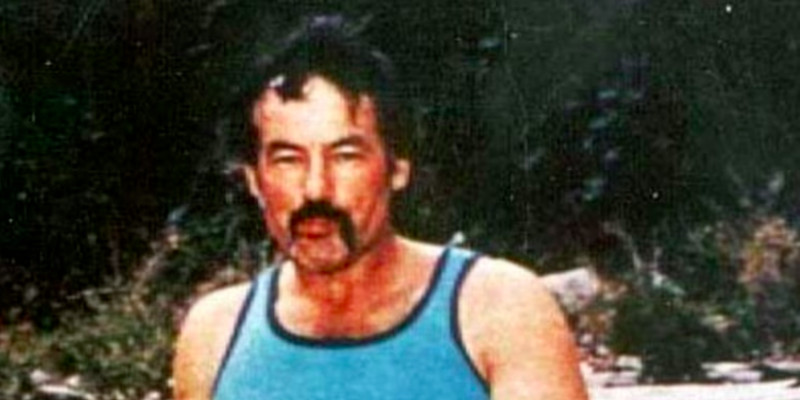

Australian officials are preparing to open a new inquiry into whether convicted serial killer Ivan Milat may have been responsible for dozens of additional murders and disappearances spanning multiple decades before the killings linked to Belanglo State Forest. The parliamentary inquiry is scheduled to begin next month and will review at least 50 cases involving missing or murdered young people from their late teens to late twenties. The victims include Australians as well as travelers from the US, Italy, New Zealand, Germany, and Britain.
Milat was convicted in 1996 for murdering seven backpackers whose bodies were found in shallow graves in Belanglo during the early 1990s. Investigators and lawmakers now plan to review whether other unsolved cases from the 1970s through early 1990s may be connected to him. The inquiry is being led by New South Wales Upper House MP Jeremy Buckingham.
“The issue for us is how, from the early 1970s to [the] Belanglo [murders], he was allowed to commit scores of abductions and opportunistic homicidal killings,” Buckingham told the Daily Mail. The investigation will review missing persons and homicide cases from every Australian state and territory, including cases involving travelers who vanished while moving in pairs, a pattern seen in several of Milat’s known murders.
It will also examine why Milat remained free for years after skipping bail on a double rape charge in 1971 and before his arrest in 1994. Buckingham has argued that Milat had repeatedly come to police attention over the years.
“He was recognised at crime scenes, in identikit images, and never questioned or arrested. Coroners found him to be the person of interest at inquests." He added: “Why was one of the worst serial killers in Australia let loose when police had already identified him as probably responsible for these 50 murders?”
Among the cases expected to be reviewed are the disappearances of multiple young women, couples, and backpackers, including foreign tourists whose remains were never recovered. Buckingham has also pointed to geographic links between disappearances and places where Milat lived or worked. “We can link these murders and the locations of bodies and places of disappearance to areas where Ivan was living or working."
Milat died in prison in 2019 while serving seven life sentences plus additional prison terms for the Belanglo murders.
Milat was convicted in 1996 for murdering seven backpackers whose bodies were found in shallow graves in Belanglo during the early 1990s. Investigators and lawmakers now plan to review whether other unsolved cases from the 1970s through early 1990s may be connected to him. The inquiry is being led by New South Wales Upper House MP Jeremy Buckingham.
“The issue for us is how, from the early 1970s to [the] Belanglo [murders], he was allowed to commit scores of abductions and opportunistic homicidal killings,” Buckingham told the Daily Mail. The investigation will review missing persons and homicide cases from every Australian state and territory, including cases involving travelers who vanished while moving in pairs, a pattern seen in several of Milat’s known murders.
It will also examine why Milat remained free for years after skipping bail on a double rape charge in 1971 and before his arrest in 1994. Buckingham has argued that Milat had repeatedly come to police attention over the years.
“He was recognised at crime scenes, in identikit images, and never questioned or arrested. Coroners found him to be the person of interest at inquests." He added: “Why was one of the worst serial killers in Australia let loose when police had already identified him as probably responsible for these 50 murders?”
Among the cases expected to be reviewed are the disappearances of multiple young women, couples, and backpackers, including foreign tourists whose remains were never recovered. Buckingham has also pointed to geographic links between disappearances and places where Milat lived or worked. “We can link these murders and the locations of bodies and places of disappearance to areas where Ivan was living or working."
Milat died in prison in 2019 while serving seven life sentences plus additional prison terms for the Belanglo murders.