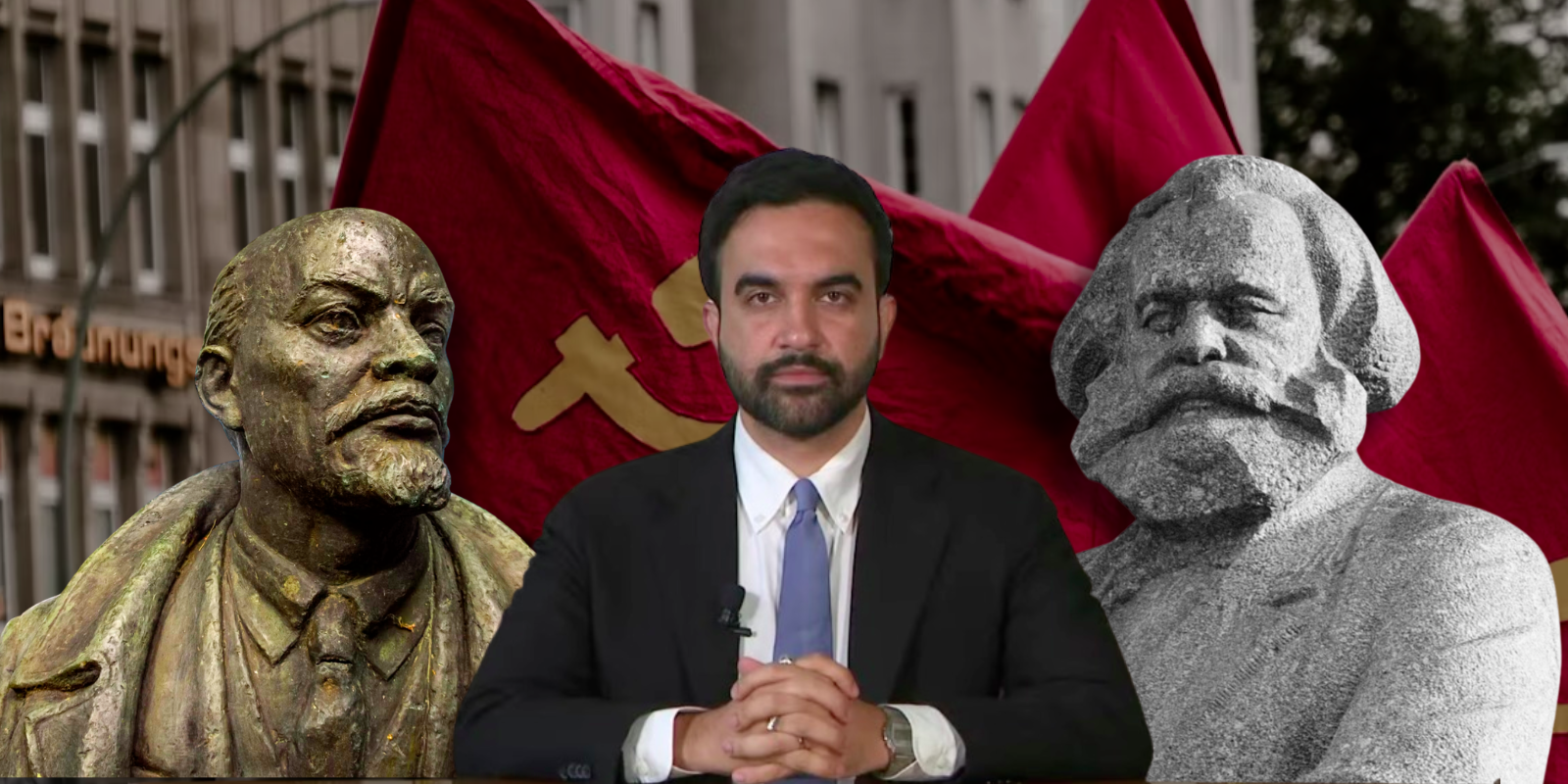

"In the case of both Facebook and Google there is a pretty good case to be made that they are in fact monopolies," the Publisher of Human Events Will Chamberlain told i24 News's Michelle Makori in a discussion about antitrust this week.
The Trump Administration recently launched investigation into Facebook and Google, amongst other tech companies, on antitrust grounds.
"Google has what seem to be pretty clear monopolies on search and live video viewing. And then Facebook has a monopoly on what I would call 'friends and family' social media. And both exploit those monopolies".
Makori asked if Chamberlain believed federal judges' personal anti-Trump views would influence a potential ruling against the tech giants. The Human Events publisher said he doesn't believe it is an issue.
"I look at how federal judges generally operate, and they're worried about being overturned on appeal. If a federal judge wrote an opinion that said 'this company is a monopoly but President Trump is a bad guy,' that obviously would get overturned."
"It's really going to come down to whether or not the Trump Administration and the Department of Justice can demonstrate that these companies are monopolies and are using their anticompetitive position in a was that violates the anti trust laws."
The two also discussed whether tech giants are publishers which therefore pick and choose the content on their sites. Chamberlain explain his view that platform access is a civil right, first presented in an opinion-editorial for Human Events a month prior.
"In the early 1960s restaurants and hotels could discriminate on the basis of race, and they made they exact same argument.
"They argued that they were private companies and that forcing them to serve whoever was a violation of their freedom of association," Chamberlain explained.
"As a society we decided to have a meaningful commitment to nondiscrimination, we had to impose laws and force companies to stop discrimination on the basis of race."
"Similarly we have a cultural commitment to free speech. But in 2019 to have meaningful free speech you need to have access to Facebook and Twitter. They're the center of the public square."
WATCH: