World
South Africa teeters on the brink as anti-immigration protests trigger migrant departures
Over the past two years, more than 100,000 people have been deported while roughly 500,000 others were stopped at border crossings without documentation.
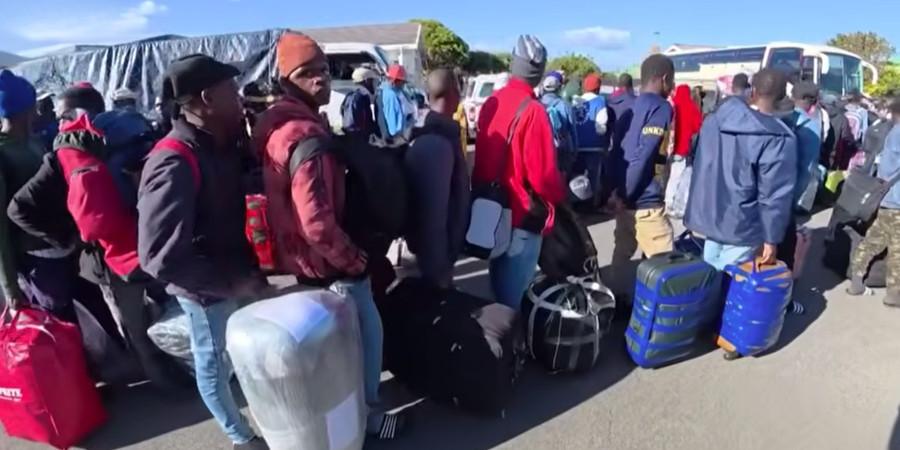
Thousands of African migrants are leaving South Africa as authorities confront a surge in anti-immigration protests and reported attacks on foreign nationals, with tensions escalating ahead of a June 30 deadline set by activist groups demanding government action on undocumented migration.
The situation has developed over recent months as anti-immigration organizations staged marches across several major cities. Some groups have warned of a “national shutdown” if authorities do not remove people they say are in the country illegally. Police have been placed on heightened alert as further demonstrations are expected around the deadline. Officials say they are monitoring the situation closely, though large gatherings have continued to form in urban areas, reports the Associated Press.
Reports from multiple locations indicate that thousands of migrants have sought temporary shelter or gathered near embassies, citing fears of violence. Several countries have begun repatriation efforts for their citizens while also raising concerns over what they describe as growing xenophobia.
South African President Cyril Ramaphosa addressed the issue in a national television statement earlier this month. He said some political actors were exploiting immigration tensions and added that “illegal immigration is not the cause of our social and economic difficulties.” He also acknowledged shortcomings in border enforcement.
The protests have placed immigration at the center of national debate since March, with demonstrators blaming undocumented migrants for unemployment and public service strain. No evidence has been provided to support those claims.
South Africa remains one of the continent’s primary destinations for migrants seeking work and stability. According to 2022 census data, about 2.4 million foreign nationals live in the country of roughly 62 million people. In response to rising pressure, the government has increased enforcement activity. Over the past two years, more than 100,000 people have been deported, according to the home affairs ministry, while roughly 500,000 others were stopped at border crossings without documentation.
Despite these figures, anti-immigration groups say enforcement has not gone far enough and point to continued arrivals as evidence of a wider crisis.
Violence linked to anti-migrant sentiment has also been reported. Police are investigating the killing of two Mozambican nationals in a coastal town earlier this month, an incident that also saw more than 50 homes burned in an area largely inhabited by migrants, according to local authorities.
In another case last week, a Malawian man was allegedly stoned to death during unrest tied to protests, prompting a separate investigation. Additional incidents have been reported in other parts of the country.
South Africa has faced periodic outbreaks of xenophobic violence in past years, often concentrated in poorer communities where migrants from countries including Zimbabwe, Mozambique and Malawi settle alongside high unemployment and limited services.
Malawi is among several countries that have started started repatriating citizens, citing safety concerns. The United Nations has also expressed concern. A spokesperson for Secretary-General Antonio Guterres said he was “deeply concerned by reports of xenophobic attacks and acts of harassment and intimidation against migrants and foreign nationals in parts of South Africa.”
Roberto Wakerell-Cruz
Roberto Wakerell-Cruz reports for Human Events.
Related
More World