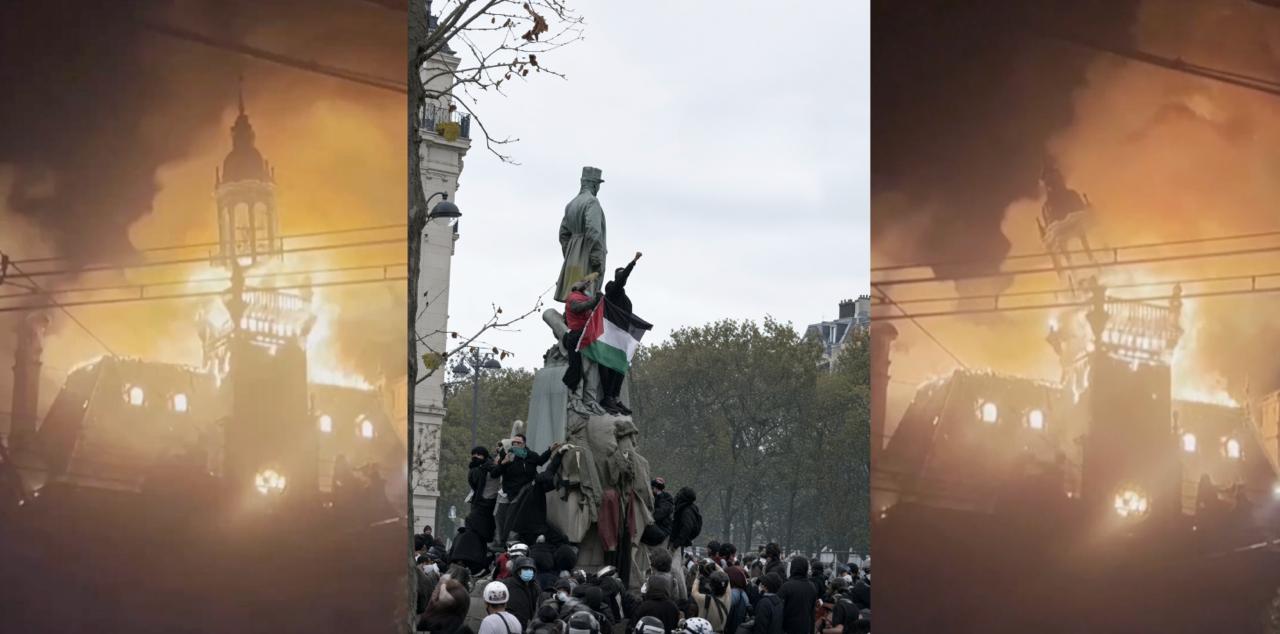


Nigeria is the latest African nation to begin repatriating its citizens from South Africa following anti-immigration protests. Some 268 Nigerians landed in Lagos this week after leaving Johannesburg following what the BBC calls "a rise in anti-migrant sentiments." Many of those heading home have been legal residents in South Africa.
"There have been weeks of violent anti-immigrant protests," reporters say. Those who are going home are doing so voluntarily due to the violence in their adopted nation.
South African President Cyril Ramaphosa appeared to back the protests and has announced plans to crack down on illegal migration. Those who hire illegal migrants can be jailed under the new measures and immigration courts are being formed to increase the speed with which migrants can be expelled from the country.
He's also announced plans for a biometric database of citizens to avoid identity theft. Ramaphosa told those South Africans who would target migrants that they must not do so.
About 1,000 Nigerians are seeking to be repatriated to their home country as the South African unemployment rate rockets past 30%. There have been protest marches in the southernmost African nation and what some have called xenophobic attacks. About 10% of the South African population is migrants from other nations.
Abike Dabiri-Erewa, head of Nigeria's Diaspora Commission, said that those returning home would be transported to areas across the 36 states of Nigeria and would be given financial aid as well as a mobile phone credit.
"I'm leaving because of the conditions they've given us here. They say we must leave on or before 30th June. And because of the way they are killing people, killing our brothers, so I'm not safe," a Nigerian who gave his name as Justin to the BBC. He said he had been attacked in a taxi and that he'd been in South Africa since 1998.
A mother of three children said that she had been attacked, telling the BBC, "I was personally attacked in my business premises. But after everything I called the police. Police helped me." She went on to say, "You can't even walk around freely. You'll be scared, the children are scared that's the main reason I came back, because of the children."
"There have been weeks of violent anti-immigrant protests," reporters say. Those who are going home are doing so voluntarily due to the violence in their adopted nation.
South African President Cyril Ramaphosa appeared to back the protests and has announced plans to crack down on illegal migration. Those who hire illegal migrants can be jailed under the new measures and immigration courts are being formed to increase the speed with which migrants can be expelled from the country.
He's also announced plans for a biometric database of citizens to avoid identity theft. Ramaphosa told those South Africans who would target migrants that they must not do so.
About 1,000 Nigerians are seeking to be repatriated to their home country as the South African unemployment rate rockets past 30%. There have been protest marches in the southernmost African nation and what some have called xenophobic attacks. About 10% of the South African population is migrants from other nations.
Abike Dabiri-Erewa, head of Nigeria's Diaspora Commission, said that those returning home would be transported to areas across the 36 states of Nigeria and would be given financial aid as well as a mobile phone credit.
"I'm leaving because of the conditions they've given us here. They say we must leave on or before 30th June. And because of the way they are killing people, killing our brothers, so I'm not safe," a Nigerian who gave his name as Justin to the BBC. He said he had been attacked in a taxi and that he'd been in South Africa since 1998.
A mother of three children said that she had been attacked, telling the BBC, "I was personally attacked in my business premises. But after everything I called the police. Police helped me." She went on to say, "You can't even walk around freely. You'll be scared, the children are scared that's the main reason I came back, because of the children."