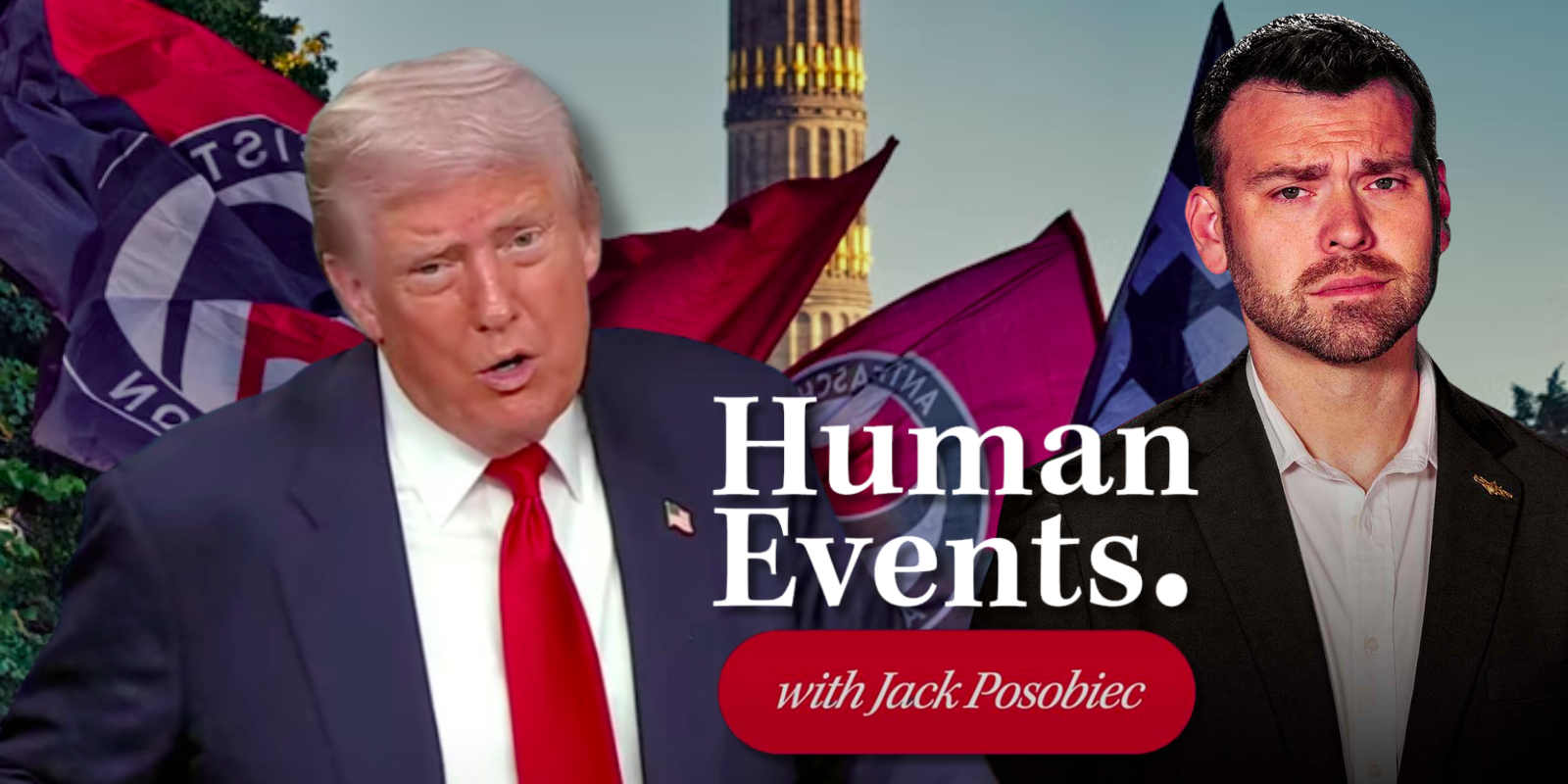
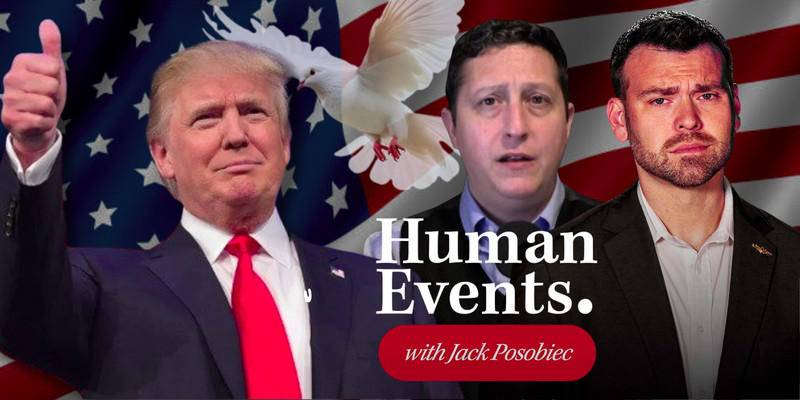
On Human Events Daily, pollster Rich Baris told host Jack Posobiec that President Donald Trump is seeing a “peace bump” in public support, with approval numbers shifting along with voter sentiment tied to foreign policy around Iran.
Baris said Vice President JD Vance has been actively selling the administration’s approach and helping frame its messaging, even as critics within and outside the party push back. “Vance is out there selling as the president's vision and what he thinks, why are we doing this, right?” Baris said. “While he's taking so much criticism, even from supposedly his own party, is growing. So support for it is growing.”
He added that polling trends showed movement in the president’s favor as the administration continued its messaging on foreign policy and national priorities. “It started at about like 60%, 'yeah I think I like this because ultimately I just want gas prices to come down,'” he said, describing early public reactions to the war.
Baris argued that foreign policy concerns were not the primary driver for most voters, saying earlier warnings from establishment voices failed to gain traction. “They didn't see this imminent threat from Iran, so the neocon wing never sold this threat that they tried to sell,” he said, referencing past claims made in media appearances about Iran’s capabilities.
He said internal polling showed continued improvement over time. “But ultimately, as the vice president kept talking, we're now at like 70%, Jack,” Baris said.
Baris also pointed to shifts in broader political indicators, including approval ratings and the 2028 ballot. “The generic ballot is already tightening. It's nowhere near where it needs to be, but it's already tightening,” he said.
He added that Trump’s approval rating had begun to rise after a period of decline. “The president's approval rating is gonna be above 42% for the first time in months in our polling,” Baris said, noting it had struggled to stay above 40% in previous months.
Baris described what he called a major potential swing in sentiment. “I actually think ... I think I'm looking at like a 10-point bump right here, Jack,” he said.
Pressed on the trend, Baris said the movement marked a significant turnaround from earlier lows. “We were at negative 18, it was bad. It was looking bad. This is like negative eight right now, which is insane,” he said.
Posobiec asked whether the shift could be described in simpler terms. Baris agreed. “Would you call this a peace bump?” Posobiec asked. “Let's call it the peace bump, because it's going to be a bump,” Baris said.
Baris said Vice President JD Vance has been actively selling the administration’s approach and helping frame its messaging, even as critics within and outside the party push back. “Vance is out there selling as the president's vision and what he thinks, why are we doing this, right?” Baris said. “While he's taking so much criticism, even from supposedly his own party, is growing. So support for it is growing.”
He added that polling trends showed movement in the president’s favor as the administration continued its messaging on foreign policy and national priorities. “It started at about like 60%, 'yeah I think I like this because ultimately I just want gas prices to come down,'” he said, describing early public reactions to the war.
Baris argued that foreign policy concerns were not the primary driver for most voters, saying earlier warnings from establishment voices failed to gain traction. “They didn't see this imminent threat from Iran, so the neocon wing never sold this threat that they tried to sell,” he said, referencing past claims made in media appearances about Iran’s capabilities.
He said internal polling showed continued improvement over time. “But ultimately, as the vice president kept talking, we're now at like 70%, Jack,” Baris said.
Baris also pointed to shifts in broader political indicators, including approval ratings and the 2028 ballot. “The generic ballot is already tightening. It's nowhere near where it needs to be, but it's already tightening,” he said.
He added that Trump’s approval rating had begun to rise after a period of decline. “The president's approval rating is gonna be above 42% for the first time in months in our polling,” Baris said, noting it had struggled to stay above 40% in previous months.
Baris described what he called a major potential swing in sentiment. “I actually think ... I think I'm looking at like a 10-point bump right here, Jack,” he said.
Pressed on the trend, Baris said the movement marked a significant turnaround from earlier lows. “We were at negative 18, it was bad. It was looking bad. This is like negative eight right now, which is insane,” he said.
Posobiec asked whether the shift could be described in simpler terms. Baris agreed. “Would you call this a peace bump?” Posobiec asked. “Let's call it the peace bump, because it's going to be a bump,” Baris said.