

A federal jury has convicted a former Syrian prison commander living in the United States of torturing prisoners and lying to immigration authorities about his past to secure legal status and attempt to become a US citizen.
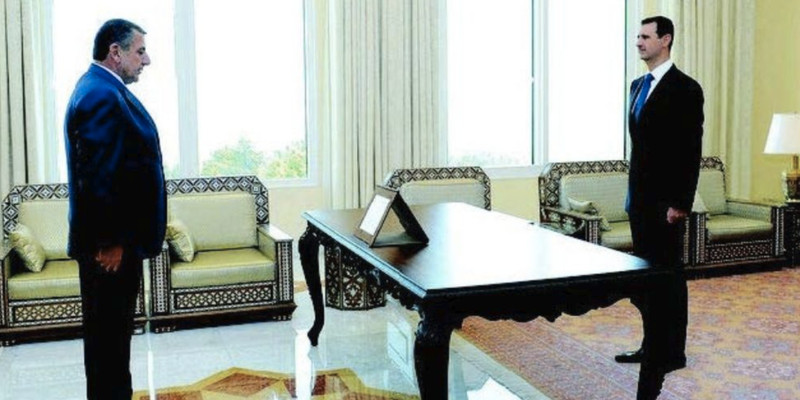
Samir Ousman Alsheikh, 73, was found guilty on one count of conspiracy to commit torture and three counts of torture related to abuses carried out at Adra Prison in Damascus. Jurors also convicted him of immigration fraud for concealing his role in the torture of detainees while applying for a visa, green card, and eventual US citizenship.
Federal prosecutors said Alsheikh oversaw and personally ordered brutal acts against prisoners during his time as Brigadier General in charge of Damascus Central Prison, commonly known as Adra Prison, from 2005 to 2008 under the regime of former Syrian president Bashar al-Assad.
“Samir Ousman Alsheikh tortured prisoners and committed human atrocities to punish and silence political dissent in Syria,” said Assistant Attorney General A. Tysen Duva of the Justice Department’s Criminal Division. Duva said Alsheikh later attempted to evade accountability by lying to US immigration authorities to live in America.
“Thanks to the courage of the victims and the diligence and dedication of our prosecutors and law enforcement partners, Alsheikh can no longer escape his past and will be held to account for his brutal crimes,” Duva added.
According to evidence presented during the trial, Alsheikh ordered prisoners to be sent to a notorious section of the prison known as Wing 13, where detainees were held in cramped isolation cells and subjected to severe torture.
Witnesses described a range of brutal methods used by guards under Alsheikh’s command. Some prisoners testified they were shackled by their wrists to pipes on the ceiling and suspended for long periods while guards beat them with fists and cables. One victim told the court he felt as though his limbs would be torn from his body after being hung for days. Other detainees described being strapped to a torture device known as the “Magic Carpet” or “Flying Carpet.” The device consisted of two hinged wooden panels that folded a prisoner’s body in half, inflicting extreme pain and injury. One victim testified that Alsheikh personally stomped on the device while he was strapped to it. Another detainee said he was tortured on the device after writing a letter supporting a political prisoner. He was later forced to wear a red jumpsuit that was reserved for inmates awaiting execution, and believed he was going to die. Witnesses also testified about prisoners being forced into car tires before being restrained and beaten.
Prosecutors said Alsheikh directly ordered these acts against several victims named in the indictment.
After leaving the prison system, Alsheikh was appointed governor of Syria’s Deir Ez-Zour province in 2011. Years later, he sought entry into the United States. Court evidence showed that in 2018, he applied for a visa and later for permanent residency. He ultimately entered the US in 2020 after allegedly concealing his role in torture and other abuses on immigration forms. Authorities said he continued to hide his past while applying to become a US citizen.
“Our country is not a refuge for criminals, especially criminals who engage in brutality of the kind this defendant inflicted on his victims,” said First Assistant US Attorney Bill Essayli for the Central District of California.
“Homeland Security Investigations and our partners are dedicated to bringing accountability to criminals like Samir Ousman Alsheikh, who tortured prisoners and then relocated to the United States,” said HSI Los Angeles Special Agent in Charge Eddy Wang.
Alsheikh faces up to 20 years in prison for each torture-related conviction and up to 10 years for each immigration fraud count. He will remain in federal custody while awaiting sentencing by a federal judge.
Samir Ousman Alsheikh, 73, was found guilty on one count of conspiracy to commit torture and three counts of torture related to abuses carried out at Adra Prison in Damascus. Jurors also convicted him of immigration fraud for concealing his role in the torture of detainees while applying for a visa, green card, and eventual US citizenship.
Federal prosecutors said Alsheikh oversaw and personally ordered brutal acts against prisoners during his time as Brigadier General in charge of Damascus Central Prison, commonly known as Adra Prison, from 2005 to 2008 under the regime of former Syrian president Bashar al-Assad.
“Samir Ousman Alsheikh tortured prisoners and committed human atrocities to punish and silence political dissent in Syria,” said Assistant Attorney General A. Tysen Duva of the Justice Department’s Criminal Division. Duva said Alsheikh later attempted to evade accountability by lying to US immigration authorities to live in America.
“Thanks to the courage of the victims and the diligence and dedication of our prosecutors and law enforcement partners, Alsheikh can no longer escape his past and will be held to account for his brutal crimes,” Duva added.
According to evidence presented during the trial, Alsheikh ordered prisoners to be sent to a notorious section of the prison known as Wing 13, where detainees were held in cramped isolation cells and subjected to severe torture.
Witnesses described a range of brutal methods used by guards under Alsheikh’s command. Some prisoners testified they were shackled by their wrists to pipes on the ceiling and suspended for long periods while guards beat them with fists and cables. One victim told the court he felt as though his limbs would be torn from his body after being hung for days. Other detainees described being strapped to a torture device known as the “Magic Carpet” or “Flying Carpet.” The device consisted of two hinged wooden panels that folded a prisoner’s body in half, inflicting extreme pain and injury. One victim testified that Alsheikh personally stomped on the device while he was strapped to it. Another detainee said he was tortured on the device after writing a letter supporting a political prisoner. He was later forced to wear a red jumpsuit that was reserved for inmates awaiting execution, and believed he was going to die. Witnesses also testified about prisoners being forced into car tires before being restrained and beaten.
Prosecutors said Alsheikh directly ordered these acts against several victims named in the indictment.
After leaving the prison system, Alsheikh was appointed governor of Syria’s Deir Ez-Zour province in 2011. Years later, he sought entry into the United States. Court evidence showed that in 2018, he applied for a visa and later for permanent residency. He ultimately entered the US in 2020 after allegedly concealing his role in torture and other abuses on immigration forms. Authorities said he continued to hide his past while applying to become a US citizen.
“Our country is not a refuge for criminals, especially criminals who engage in brutality of the kind this defendant inflicted on his victims,” said First Assistant US Attorney Bill Essayli for the Central District of California.
“Homeland Security Investigations and our partners are dedicated to bringing accountability to criminals like Samir Ousman Alsheikh, who tortured prisoners and then relocated to the United States,” said HSI Los Angeles Special Agent in Charge Eddy Wang.
Alsheikh faces up to 20 years in prison for each torture-related conviction and up to 10 years for each immigration fraud count. He will remain in federal custody while awaiting sentencing by a federal judge.