World
Mayor Sadiq Khan praises London for hosting 'biggest iftar in Western world'
"We've shown during this month of Ramadan the power of being a Muslim. The joy of being British."
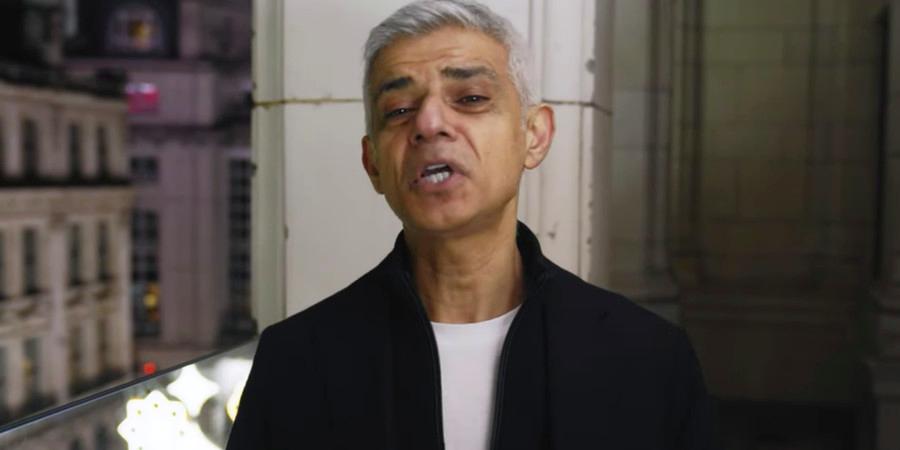
London Mayor Sadiq Khan told a packed crowd in Trafalgar Square that “forces of division and darkness” are targeting Muslims, as thousands gathered for what he said was the largest iftar, when Muslims break their fast each day for Ramadan, in the Western world.
The Open Iftar event drew a large multi-faith crowd to central London to break the fast, per GB News. Khan used the moment to highlight what he described as attempts to pressure Muslims to scale back their public identity. "We see the forces of division and darkness pitting communities against each other, trying to cower us and scare us to be less Muslim, to be less Islamic, to make us scared to put our head above the parapet.
He added, “We've shown during this month of Ramadan the power of being a Muslim. The joy of being British.”
Khan said the scale of the event set it apart from others across Europe and beyond. “We have tonight, by the way, not just the biggest iftar taking place in London, not just the biggest iftar in Europe, not just the biggest iftar in the continent of Europe, but the biggest iftar in Western world.”
He also noted the range of attendees present at the central London square, saying he had met Christians, Jews, Hindus, Sikhs and atheists among those gathered to share the meal.
The mayor spoke about the city’s Ramadan light displays, which have been installed annually in central London for four years, describing them as a response to critics: “There were Islamophobes and people denigrating London. But I'm really pleased not for one year, not for two year, not for three, but for four years, we've had lights celebrating Ramadan in the heart of our city.”
The iftar events are part of a broader national program run by the Ramadan Tent Project, which organizes gatherings at major venues across the UK. Last year’s events were held at locations including the British Library and Shakespeare's Globe, while this year’s schedule included stadiums such as Tottenham Hotspur’s ground and cultural venues like the National Gallery.
According to organizers, more than one million people attended Open Iftar events across the UK last year. The initiative began in 2013 when students at SOAS University of London held a communal fast-breaking, reports GB News.
The project says its events are open to a wide range of participants, including “the vulnerable, the homeless, those in need of a community, and anyone else who wished to share food and faith.”
Roberto Wakerell-Cruz
Roberto Wakerell-Cruz reports for Human Events.
Related
More World