Faith & Family
Vatican rejects 'Board of Peace' invite from Trump, appeals to United Nations to handle matter
Cardinal Pietro Parolin, the Vatican’s secretary of state, said the pope "will not participate in the Board of Peace due to its particular nature, which is clearly not that of other states.”
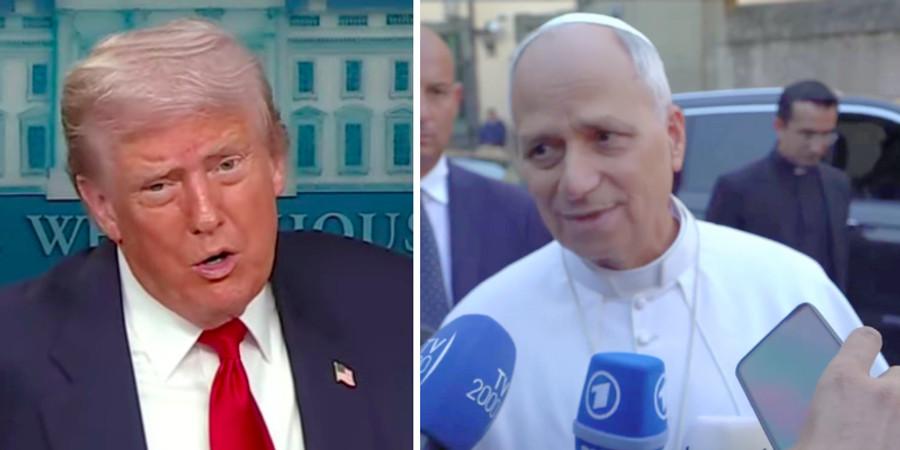
The Vatican has reportedly declined President Donald Trump’s invitation for Pope Leo XIV to take part in the newly formed Board of Peace, citing concerns about the body’s structure and role on the international stage.
Cardinal Pietro Parolin, the Vatican’s secretary of state, confirmed the decision on the eve of Ash Wednesday. He said the pope “will not participate in the Board of Peace due to its particular nature, which is clearly not that of other states.”
Parolin told reporters that one central concern is that crisis management at the global level is typically handled by the United Nations. He said that “at the international level, it is primarily the [United Nations] that manages these crisis situations.”
The Board of Peace was formally launched by Trump during the World Economic Forum in Davos, Switzerland, on Jan. 22. The president is chairing the board. Permanent members are required to contribute $1 billion each in funding.
Trump initially presented the board as a mechanism to oversee peace efforts and reconstruction in Gaza. He later expanded its scope. “Once this board is completely formed, we can do pretty much whatever we want to do, and we’ll do it in conjunction with the United Nations,” Trump said in Davos.
“You know, I’ve always said the United Nations has got tremendous potential. It has not used it,” he added.
The European Union has also opted not to join the board. EU officials raised concerns about whether the initiative aligns with the United Nations Charter and questioned its broad mandate. Still, the bloc will have limited representation at the board’s first meeting in Washington on Thursday.
European Commissioner for the Mediterranean Dubravka Suica is set to attend. EU Commission spokesperson Paula Pinho said participation in the meeting does not amount to formal membership. She stated the EU remains focused on “implementation of the ceasefire in Gaza” and intends to engage in “international efforts to support reconstruction and post-war recovery.”
Despite the Vatican and EU decisions, more than 25 countries have agreed to join. Those nations include Argentina, Armenia, Azerbaijan, Bahrain, Belgium, Bulgaria, Egypt, Hungary, Indonesia, Israel, Jordan, Kazakhstan, Kosovo, Mongolia, Morocco, Pakistan, Paraguay, Qatar, Saudi Arabia, Turkey, the United Arab Emirates, and Uzbekistan. The board is expected to begin meetings this week.
Roberto Wakerell-Cruz
Roberto Wakerell-Cruz reports for Human Events.
Related
More Faith & Family