World
Labour MP demands UK pay BILLIONS in 'colonial reparations' over transatlantic slave trade
Britain, which at its empire’s height controlled roughly a quarter of Africa, formally outlawed the slave trade in the early 18th century
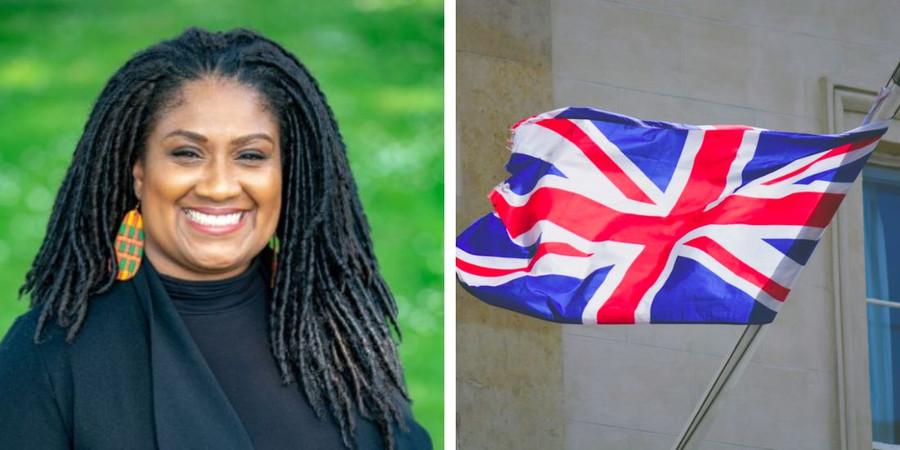
A Labour MP is publicly backing calls for Britain to pay billions in “colonialism reparations,” joining an international push led by the African Union.
Bell Ribeiro-Addy highlighted on social media the African Union’s plan to submit a UN resolution next month classifying the transatlantic slave trade as a crime against humanity. Ghana is set to lead the initiative, which will demand “meaningful reparations” from European nations, including the UK.
The resolution is scheduled for the United Nations on Marach 25 and aims not only for formal recognition of the transatlantic slave trade as a “grave crime against humanity,” but also for the creation of a global legal framework for restitution and restorative justice. Ghana’s Foreign Minister Samuel Okudzeto Ablakwa said the proposal will “demand reparations including the return of looted objects” and stressed, “By standing together at the United Nations, we signal to the world that Africa will no longer allow the scale of its historical suffering to be minimised.”
Caribbean nations have allied with African countries in pursuit of the cash, with some estimates placing the total amount owed in the trillions of dollars. Advocates also argue that countries in the “Global North” bear responsibility for environmental damage tied to colonial exploitation.
Bell Ribeiro-Addy has a history of pressing for reparations. She previously urged the Government to “engage” in discussions on how to address the “enduring legacies of slavery and colonialism,” and joined other hard-left MPs, including Diane Abbott and Clive Lewis, in demanding state-led action. Speaking at a London conference on the issue, Ribeiro-Addy said it was “very insulting [to] tell people of African descent to forget and move forward,” according to GB News, “Reparations are not about relitigating historic injustices, they are about remedying the deep-rooted inequalities that still shape our world today.”
Ministers have dismissed any suggestion that Britain will pay. However, prominent opposition figures, including David Lammy, have called for reparations in the past. Other European colonial powers, such as France, Spain, Portugal, Belgium, and Germany, may also face mounting pressure as a result of the resolution.
Britain, which at its empire’s height controlled roughly a quarter of Africa, formally outlawed the slave trade in the early 18th century
Roberto Wakerell-Cruz
Roberto Wakerell-Cruz reports for Human Events. [Placeholder bio — pending editorial copy]