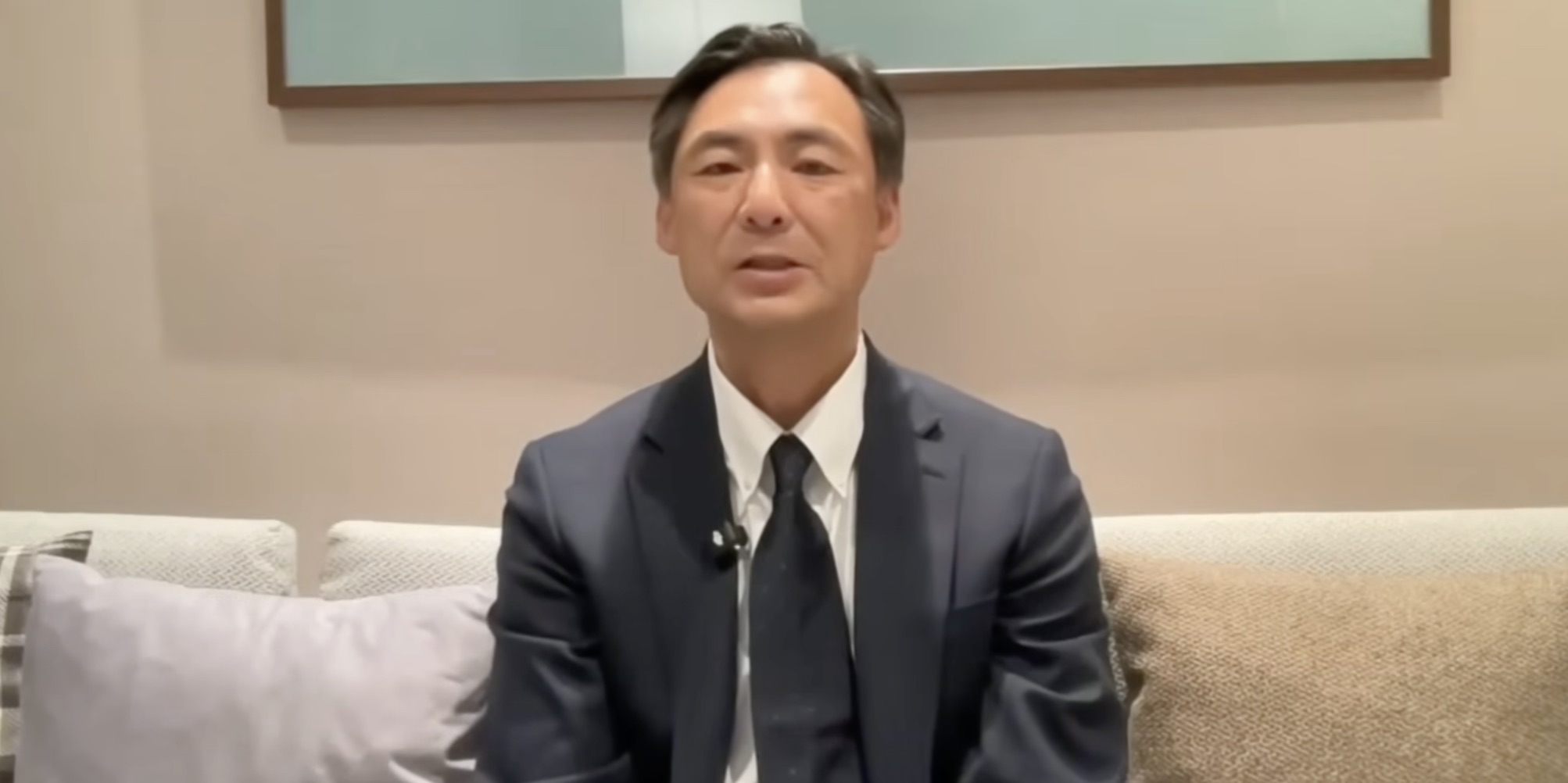


Human Events Daily host Jack Posobiec spoke with Human Events publisher Jeff Webb on Wednesday about President Trump’s upcoming meeting with Russian President Vladimir Putin, set to take place as part of what the Trump administration is calling the “Anchorage Accords.”
Posobiec, fresh off a trip to Poland near the Ukrainian border, noted that the ongoing war in Ukraine had been a major topic of discussion during Poland’s recent presidential election. He said Polish President Karol Nawrocki, now representing the country, had been on a call with Trump that morning to preview the talks.
Webb, who has extensive experience working on international deals, said that in most cases “if you get to a point where you have the two presidents meeting, a deal has usually already been hammered out.” But he added, “Not sure that’s the case here.”
Trump has made it clear he is frustrated with the ongoing conflict in Ukraine, saying it is “not one that would have started under his watch.” Webb said that the two sides in the war “have been more intransigent than he figured they would be” and stressed that “something has to break the logjam.”
“I think they’ve made some progress behind the scenes,” Webb said, but predicted that the Anchorage meeting would involve “some one-to-one kind of brainstorming.”
As the talks approach, Webb said, “You can see everybody weighing in now.” He listed European governments, the Ukrainian leadership, and other stakeholders who have been vocal “about what they want the outcome to be.”
Webb acknowledged fears from some observers that Trump might “cut some kind of really bad deal with Putin” and “be taken advantage of.” However, he dismissed those concerns, saying, “I don’t think that’s going to happen.”
Still, Webb cautioned that “there’s a lot of mystery to this one.” The uncertainty, he suggested, stems from the fact that, unlike other high-level summits, the Anchorage Accords may not have a fully negotiated agreement already in place before the two leaders sit down.
The meeting between Trump and Putin, scheduled just two days away, comes amid heightened tensions in Europe and ongoing debate over how to bring the Ukraine war to an end. Webb’s comments highlight both the diplomatic stakes and the unpredictability surrounding the upcoming talks.
Posobiec, fresh off a trip to Poland near the Ukrainian border, noted that the ongoing war in Ukraine had been a major topic of discussion during Poland’s recent presidential election. He said Polish President Karol Nawrocki, now representing the country, had been on a call with Trump that morning to preview the talks.
Webb, who has extensive experience working on international deals, said that in most cases “if you get to a point where you have the two presidents meeting, a deal has usually already been hammered out.” But he added, “Not sure that’s the case here.”
Trump has made it clear he is frustrated with the ongoing conflict in Ukraine, saying it is “not one that would have started under his watch.” Webb said that the two sides in the war “have been more intransigent than he figured they would be” and stressed that “something has to break the logjam.”
“I think they’ve made some progress behind the scenes,” Webb said, but predicted that the Anchorage meeting would involve “some one-to-one kind of brainstorming.”
As the talks approach, Webb said, “You can see everybody weighing in now.” He listed European governments, the Ukrainian leadership, and other stakeholders who have been vocal “about what they want the outcome to be.”
Webb acknowledged fears from some observers that Trump might “cut some kind of really bad deal with Putin” and “be taken advantage of.” However, he dismissed those concerns, saying, “I don’t think that’s going to happen.”
Still, Webb cautioned that “there’s a lot of mystery to this one.” The uncertainty, he suggested, stems from the fact that, unlike other high-level summits, the Anchorage Accords may not have a fully negotiated agreement already in place before the two leaders sit down.
The meeting between Trump and Putin, scheduled just two days away, comes amid heightened tensions in Europe and ongoing debate over how to bring the Ukraine war to an end. Webb’s comments highlight both the diplomatic stakes and the unpredictability surrounding the upcoming talks.