Recall:
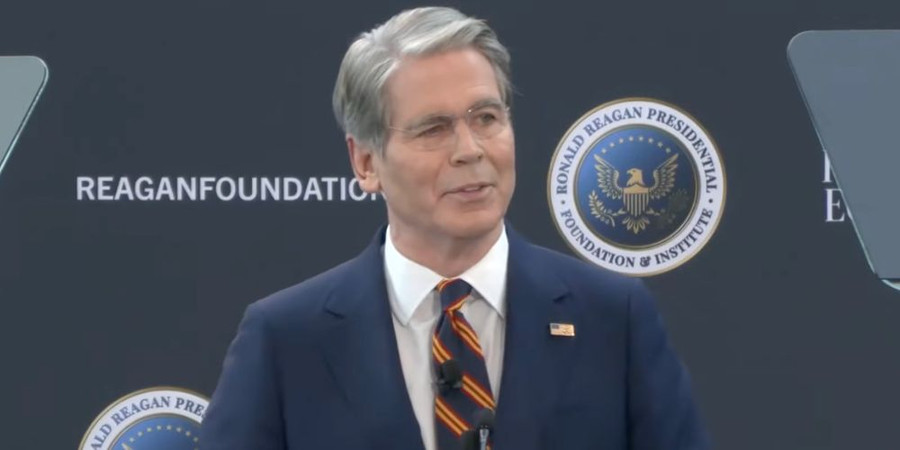
In an election unprecedented in American history, Gov. Gray Davis (D.) received a rebuke of colossal embarrassment while actor Arnold Schwarzenegger's (R.) convincing victory caps one of the most sensational campaigns in recent decades.
Analysis:
Star power and a deeply dissatisfied electorate catapulted Schwarzenegger to an overwhelming win and sunk Davis.
1) Davis was not a majority governor to begin with. His 48% in 2002 was unimpressive against a badly flawed Bill Simon (R.), and Davis's support began sinking immediately after Election Day. Before his minority showing in November of last year, he was considered a possible White House candidate for 2004.
2) Lt. Gov. Cruz Bustamante (D.) was a lackluster candidate who ran a lackluster campaign. He failed to persuade voters, winning only 28% of the independent vote and 69% of the Democratic vote. He also failed to inspire his base.
3) The recall movement, and Arnold's presence, pumped up even more Californians' dissatisfaction with Davis and desire to kick him out of office. This dynamic surprised Democrats who thought they could condemn the recall as a "right-wing power grab," and capitalize off of a voter backlash. The same basic strategy worked for President Bill Clinton during impeachment. In California in 2003, however, the discontent was too deep. Also, the issues in the recall were clearly ones that really mattered to voters-the economy and taxes-rather than sex and lying about sex.
4) The White House and many California establishment Republicans started off resisting the recall, afraid it could end in embarrassment for Republicans and vindication of Davis. Two factors overcame this resistance: the hunger of the California GOP grassroots activists and Arnold's star power.
5) One central difference between this election and the 2002 race was the absence of a primary. Rather than exacerbating the famous fractures within the state's GOP, the primaryless anointing of a GOP nominee gave Republicans a winning candidate, as opposed to the 2002 governor race where the conservative primary electorate picked Simon over two candidates who could have beaten Davis.
6) The groping attacks on Arnold in the final days of the campaign were vintage Davis, despite the Los Angeles Times' prominent role in that "October Surprise." The campaign based on the politics of personal destruction cannot, however, be written off as particular to Davis. There is a resemblance, eerie to Democratic operatives, between Davis's smears and the Democratic White House hopefuls' almost exclusive dependence on vicious attacks George W. Bush.
7) The smears on Arnold actually served to galvanize the Republican vote behind Schwarzenegger. Many conservatives who were leaning towards State Sen. Tom McClintock (R.) were sickened enough by the familiar character assassination that they were willing to bite the bullet in order to make certain the Democrats lost.
8) Union households voted 51% in favor of recalling Davis despite the tireless efforts by labor bosses to defeat recall. After factoring in for race (unions have a higher minority percentage than the electorate at large), union households were just about as likely to vote yes on recall as the average voter. This points to a real weakness in union leaders to influence their rank and file in big elections.
Fallout:
Republicans and Democrats alike are anxious about how this political upheaval will change the landscape for 2004 and the future.
1) The ability of the conservative base to overcome a push-back from the GOP establishment lays bare a power dynamic there that makes the White House and party elite-specifically top operative Gerry Parsky-uncomfortable. Almost ironically, a pro-choice, pro-gay governor headed to Sacramento is a testimony to conservative determination.
2) A GOP victory here puts the Golden State on the map for the 2004 White House and Senate races. Schwarzenegger and McClintock combined for 61% of the vote. If most of that support can be tapped next year, Bush could have a chance at winning while Sen. Barbara Boxer (D.) would be vulnerable. Still, both of those races must be considered long shots for the GOP.
3) McClintock comes out a winner, despite earlier resentment and concern about his refusal to back down. Unlike Simon and Rep. Darrell Issa (R.) who backed out for fear of bleeding votes away, McClintock stayed in the race. By many accounts, McClintock "won" the debates. Throughout, he focused on criticizing Davis and making the case clearly that Davis's high taxes and spending have hurt the California economy.
4) Bustamante comes out a loser. He may never have had a political future, but now that fact is obvious.