Unemployment: On the House side, the first issues will be the unfinished business of 2002. Topping the list will be an extension of federal unemployment benefits.
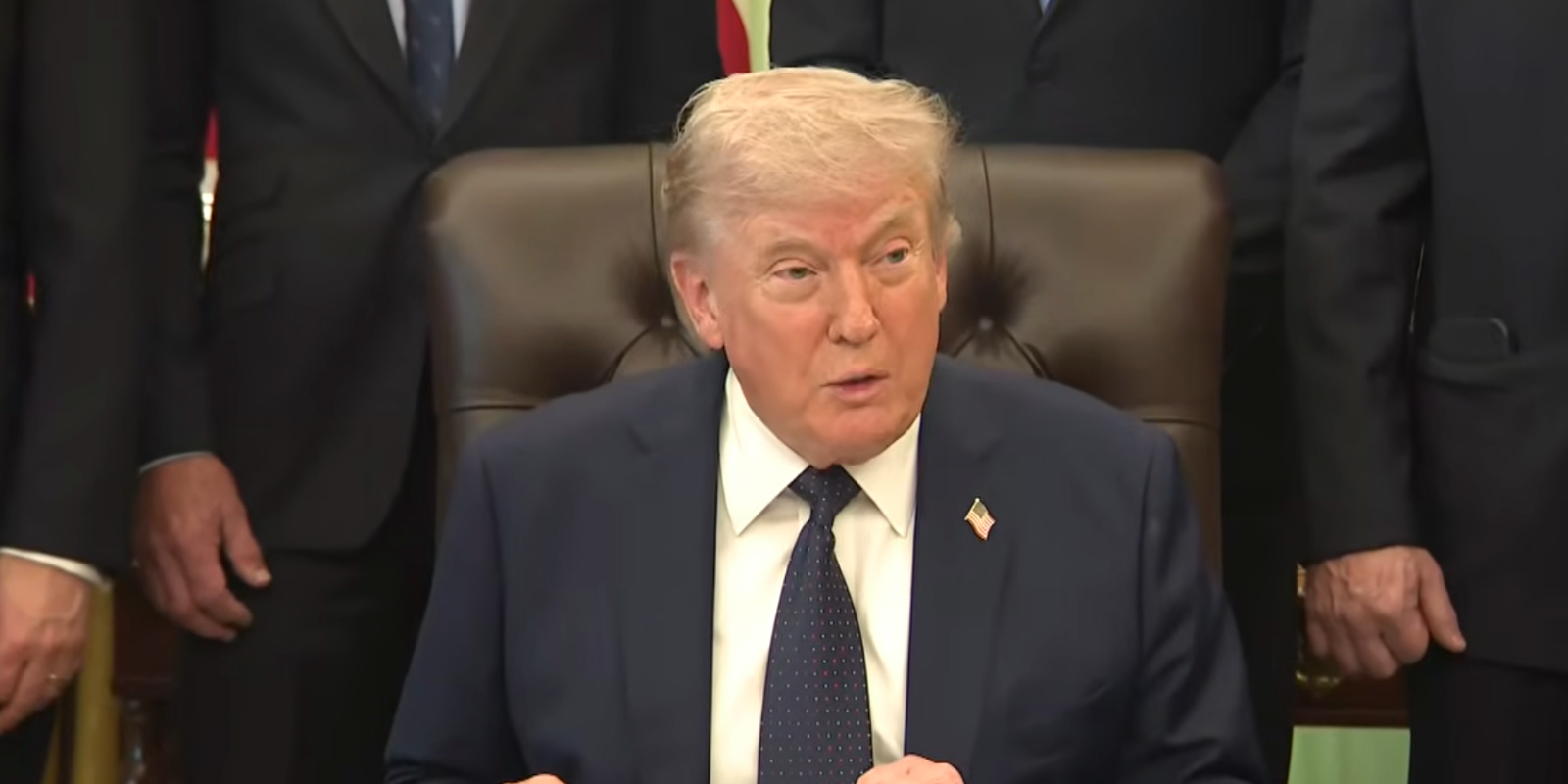
1) The federal jobless pay, already extended twice due to hard economic times, expired December 28. President Bush has called for an extension, retroactive to cover the lapsed days.
2) This move is intended to stem the rising tide of criticism by his opponents that Bush was to blame for Congress’s inability to reach an agreement on a bill to extend the federal aid program for the unemployed.
3) Politically, this is a safe move for Bush. His greatest political danger heading towards the 2004 election is widespread unemployment as an aspect of a sluggish economy. Currently, U.S. unemployment stands at 6%, its highest level in eight years. It causes the Republican Congress to take liberal first steps in early 2003, which will defuse some of the left’s dire warnings about an "ultra-conservative agenda."
4) Some conservatives are upset that Bush is harming efforts to contain federal spending by pushing for this continued federal aid. But these complaints are mostly muted and tame. More troubling to some of Bush’s supporters is that the continued benefits will actually keep unemployment high-or at least make the short-term numbers look worse.
Energy: Bush will also push for a quick passage of an energy bill.
1) With Frank Murkowski (R.-Alaska) out of the Senate and Sen. Pete Domenici (R.-N.M.) taking the top spot, a deal involving a gas pipeline route in exchange for drilling in the Arctic National Wildlife Refuge (ANWR) is likely off the table.
2) Incoming Majority Leader Bill Frist (R.-Tenn.) does not have Lott’s dedication to passing an energy bill, but he will push as hard as President Bush wants him to.
3) The chief factor endangering an energy bill that includes ANWR drilling is that Democrats see an environmentalist stand against drilling as a motivating factor for their base. Senate Democrats would certainly be willing to filibuster such a bill if not for the Teamsters’ support of ANWR drilling.
4) In the end, without Murkowski’s lobbying, Republicans in the Senate may decide the energy bill is not worth their effort-especially if it remains loaded up with liberal riders such as green tax credits.
Democratic Presidential: The only new development was the unexpected expression of interest by Sen. Bob Graham (Fla.), which stirred more interest among insiders than it did with the press.
1) Democratic pros are still looking for somebody along the model of Jimmy Carter and Bill Clinton, a Southerner who can break the Republican hammerlock on Dixie and who talks like a moderate but acts like a liberal. Sen. John Edwards (N.C.), who announced his candidacy December 30, fits that description, but there is serious doubt in party ranks about nominating a political novice who only four years ago was trying personal injury cases.
2) That’s why Graham, a major Democratic figure for the past generation, is attracting more attention in party ranks than with the news media. Not only would he be considered a lock in critically important Florida, but would threaten President Bush in other important 2000 states.
3) His conservative image belies his liberal voting record. He is a tough law-and-order Democrat (and an active proponent of the death penalty as governor of Florida), but safely pro-choice on abortion. Graham voted "no" on the Iraq war resolution (which helps him with the party’s left wing), but as outgoing Senate Intelligence Committee chairman has a hard-line image and the expertise to challenge Bush’s conduct of the war against terrorism.
4) While Graham might be an ideal general election candidate, doubt remains how he can win the nomination. His hope is to win the early South Carolina primary, followed by an impressive showing in other Southern primaries. But how can he get by Iowa and New Hampshire? He might be able to skip the Iowa caucuses, but he could not finesse the New Hampshire primary as well. With New Hampshire virtually conceded to Sen. John Kerry from neighboring Massachusetts, Graham would have to aim for second place there?no easy task.
DCCC: The selection of Rep. Robert Matsui (Calif.) to be chairman of the Democratic Congressional Campaign Committee by House Minority Leader Nancy Pelosi (Calif.) came as a surprise.
Pelosi rejected demands by the Congressional Black Caucus (CBC) that she select Rep. William Jefferson (La.). By all private testimony inside the Democratic caucus, Jefferson would have been a disaster. With soft money now barred and the DCCC facing serious debts, a fund-raiser is needed. Matsui is relatively untested, but Jefferson clearly did not fill the bill.