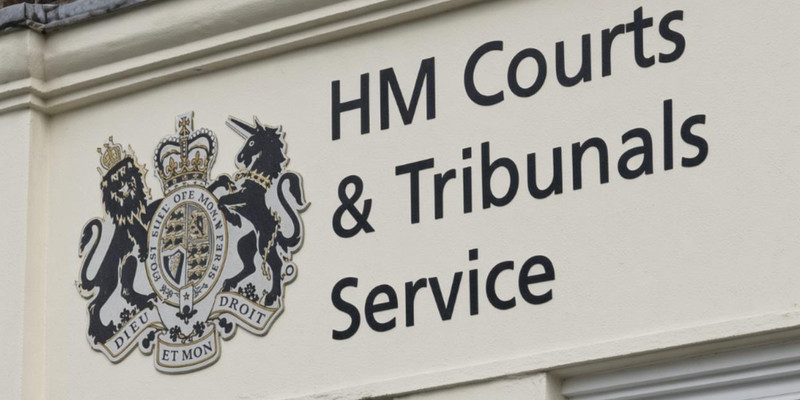
A Kenyan woman accused of witchcraft in her home country has been permitted to remain in the UK. Immigration tribunal Judge Joanna McWilliam ruled that the decision for her to be deported back to Kenya didn't take into account the "shame and trauma" she would have felt arriving back home after the witchcraft allegations.
The woman, 63, referred to as JB in court, was accused of causing, with witchcraft, the death of her husband's other wife and their daughter in Kenya. The husband, 75, was polygamous, taking both women for his wives. JB raised her own son, she told the tribunal as well as the three children of the second wife, per The Times.
After the accusation of witchcraft in 2010, the woman left Kenya, arriving in the UK in 2014, then requested asylum in 2023 and was denied. It was only after this denial that she brought up the witchcraft accusations. The judge who heard her original claim and denied it said that the allegation that she was accused of witchcraft were intended to "bolster and otherwise hopeless claim" and that they were "made up."
That judge, reports The Times, had said "nowhere in her interview was there any suggestion by her that she was accused of being a witch. This is something she introduced in her written statement without any explanation."
She told the tribunal she had been under "pressure" to accept the new wife and the reason she didn't bring up the accusations of witchcraft at the outset of her asylum case was because of her own shame. "The shame and trauma I experienced made it extremely difficult for me to specify that I was accused of witchcraft," she told the tribunal.
A tribunal decided that the woman had not been given a proper hearing when her asylum claim was denied after they heard that she had been living in a polygamous "unhappy household." JB also argues "that it would be dangerous for her to return to her home country because of Nyumba Kumi, a government-imposed system of community policing."
Judge McWilliam overturned the original judge's ruling, saying, "The judge was wrong to say that [JB] had not given an explanation for failing to raise that she was perceived as a witch. Even in [JB's] first witness statement, there was an attempt to explain why she had not disclosed this during the interview. In the second witness statement a more coherent explanation is given."
A new tribunal has been ordered to be convened to make a final ruling on the matter.
The woman, 63, referred to as JB in court, was accused of causing, with witchcraft, the death of her husband's other wife and their daughter in Kenya. The husband, 75, was polygamous, taking both women for his wives. JB raised her own son, she told the tribunal as well as the three children of the second wife, per The Times.
After the accusation of witchcraft in 2010, the woman left Kenya, arriving in the UK in 2014, then requested asylum in 2023 and was denied. It was only after this denial that she brought up the witchcraft accusations. The judge who heard her original claim and denied it said that the allegation that she was accused of witchcraft were intended to "bolster and otherwise hopeless claim" and that they were "made up."
That judge, reports The Times, had said "nowhere in her interview was there any suggestion by her that she was accused of being a witch. This is something she introduced in her written statement without any explanation."
She told the tribunal she had been under "pressure" to accept the new wife and the reason she didn't bring up the accusations of witchcraft at the outset of her asylum case was because of her own shame. "The shame and trauma I experienced made it extremely difficult for me to specify that I was accused of witchcraft," she told the tribunal.
A tribunal decided that the woman had not been given a proper hearing when her asylum claim was denied after they heard that she had been living in a polygamous "unhappy household." JB also argues "that it would be dangerous for her to return to her home country because of Nyumba Kumi, a government-imposed system of community policing."
Judge McWilliam overturned the original judge's ruling, saying, "The judge was wrong to say that [JB] had not given an explanation for failing to raise that she was perceived as a witch. Even in [JB's] first witness statement, there was an attempt to explain why she had not disclosed this during the interview. In the second witness statement a more coherent explanation is given."
A new tribunal has been ordered to be convened to make a final ruling on the matter.