World
BREAKING: Bessent announces ‘Operation Economic Outcast’ to isolate Iran, warns regime's partners of sanctions
“Those who tether themselves to the Iranian regime should expect to share in the isolation of a withering regime.”
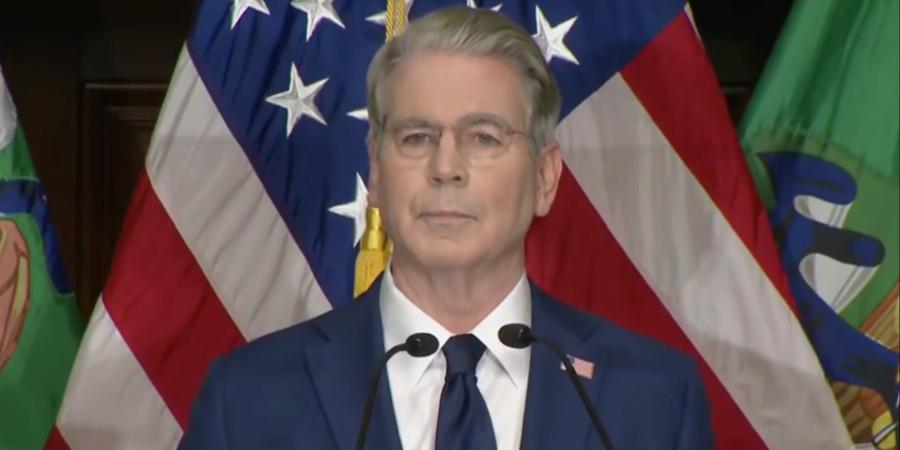
Treasury Secretary Scott Bessent announced Monday the launch of “Operation Economic Outcast,” a new strategy aimed at cutting Iran off from the global economy while warning countries that continue doing business with Tehran they could face US sanctions.
Bessent said Treasury will sanction more than 60 entities, individuals and vessels around the world accused of helping Iran obtain nuclear and missile technology. Additional sanctions will target Iran’s digital assets, technology, gold, aviation and shipping sectors.
The Treasury secretary said the administration intends to take an aggressive approach to enforcement, calling the effort as an attempt to stop revenue from reaching the Iranian government.
Bessent said Treasury would “tighten the noose” and enforce a “zero leakage” approach to cutting off revenue that funds Iran’s economy. Issuing a warning to countries that continue to conduct business with Tehran, he said: “Those who tether themselves to the Iranian regime should expect to share in the isolation of a withering regime.”
Iranian officials pushed back against the US campaign. Mohammad Bagher Ghalibaf, speaker of Iran’s Parliament, dismissed the effort as “bombast” and said the United States was not economically positioned to further restrict its relations with other countries, reports The New York Times.
Ghalibaf said Iran’s trading partners “have made it clear” in messages to the Iranian government that they “don’t take these statements into account.”
Bessent also addressed potential sanctions against Chinese banks known to process Iranian oil sales. He said that “no one is above the reach of US sanctions.” He did not specifically name China, instead saying the best way to deal with other countries is through “quiet diplomacy.”
Trump said last week that his administration would launch a “CRUSHING” economic operation against Iran, describing the planned measures as “Economic Warfare and Isolation on an unprecedented scale.”&
The president also warned foreign governments and businesses against continuing to provide Tehran with economic support. Trump said countries whose “financial institutions, businesses, airports, or government entities” provide Iran with “any type of lifeline” could face economic consequences themselves. Iran's currency has faced mounting pressure as the US seeks to isolate Tehran, including through threats aimed at the country's remaining trading partners, a blockade of its main Persian Gulf ports and efforts to restrict oil exports.&
Iranian central bank governor Abdolnaser Hemmati said last week that the country's crude exports had “virtually stopped.” The United Arab Emirates, meanwhile, said it had suspended all financial transactions with Iran until further notice.&
Iran's Donya-e Eqtesad newspaper said disruptions to foreign-exchange transfers, declining exports, rising import demand and inflation expectations had contributed to the rial's latest decline.&
The currency had already been under pressure before the US and Israel attacked Iran on February 28, amid double-digit inflation and economic contraction. It has since repeatedly reached new lows during the nearly six months of war.
Roberto Wakerell-Cruz
Roberto Wakerell-Cruz reports for Human Events.
Related
More World