World
Lebanon could join Abraham Accords, Trump promises to help them 'a lot'
"We've already solved some [problems] for Lebanon. There's the Hezbollah issue, but we've done some things that I think the world will take notice of."
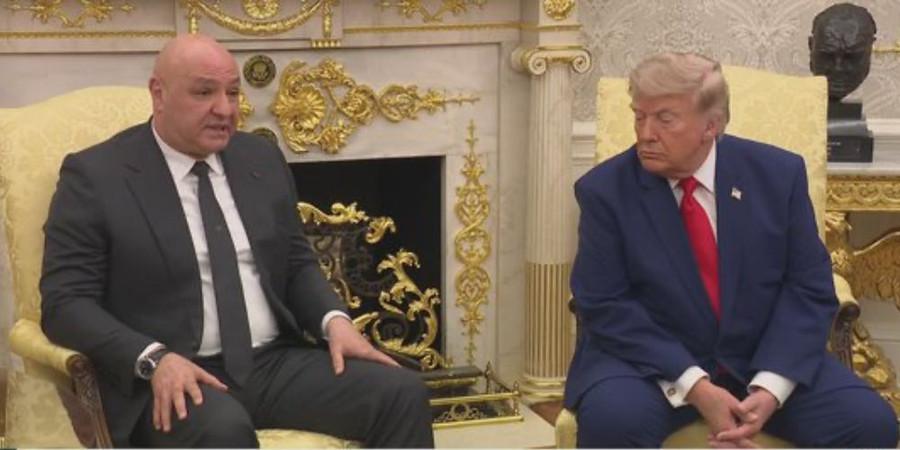
President Donald Trump has suggested Lebanon could soon join the Abraham Accords, raising the prospect of one of the most significant diplomatic breakthroughs in the Middle East since the landmark normalization agreements were first signed in 2020.
Speaking alongside Lebanese President Joseph Aoun in the Oval Office on Tuesday, President Trump predicted that several nations are preparing to establish formal relations with Israel and singled out Lebanon as a country with "a very important place" in the process. "The Abraham Accords have been a tremendous success," he said. "I think you're going to see a lot of countries joining pretty soon. As you know, we have our original group, and it's so successful for them. Economically successful. Nobody left even during this time of conflict. So, I think Lebanon has a very important place." Trump also pledged continued American support for Lebanon, describing the country as one that has "been treated very badly for a long period of time."
"There are amazing people there and it has taken hard blows for many, many decades," Trump said. "We're going to solve a lot of problems. We've already solved some of them for Lebanon. There's the Hezbollah issue, but we've done some things that I think the world will take notice of."
The meeting marked the first visit by a Lebanese president to the White House since 2009 and came as Washington continues to broker talks between Lebanon and Israel following months of conflict with the Iran-backed Hezbollah terrorist group, despite a recent escalation in the US's ongoing conflict with Iran. Aoun praised Trump's efforts to stabilize the region, telling the president, "Your vision is peace," and describing it as Trump's lasting legacy. Trump jokingly replied, "I do agree with that," before adding that Aoun was "handsome" and "knows how to get to me."
A 1955 Lebanese law criminalizes contact with Israeli citizens and institutions, making formal recognition impossible unless Parliament repeals the legislation. The Trump administration has encouraged Beirut to dismantle those legal barriers as part of a broader peace initiative modeled on the Abraham Accords.
Related
More World