World
European broadcaster bans sexualized camera angles during women's sporting events
The updated standards cover several sports events including running events, high jump, pole vault, and horizontal jumps.
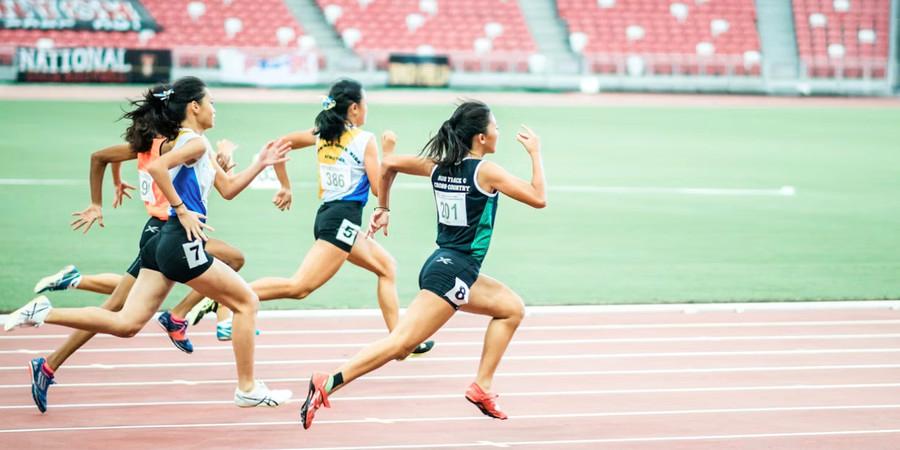
The European Broadcasting Union has adopted new television production guidelines banning sexualization of female athletes during track-and-field broadcasts, placing new restrictions on certain camera angles and replay shots.
The guidance applies across track-and-field coverage and instructs broadcasters to avoid camera work that could unnecessarily focus on an athlete's body rather than the competition itself. The changes are expected to affect how videographers and photographers shoot events, with particular attention paid to shots that could be viewed as sexualized.
According to a 23-page guidance document, broadcasters are being told to avoid "unnecessary" low-angle shots, close-up framing, and replays that may unnecessarily "expose" athletes. The recommendations also call for more restraint in the use of slow-motion footage when it does not contribute to viewers' understanding of the event.
The updated standards cover several sports events, including running events, high jump, pole vault, and horizontal jumps.
According to Runner's World, the new guidelines are not intended to reduce coverage of women's events or shift attention away from female competitors. Instead, the publication reported that the recommendations encourage producers to evaluate each shot by asking, "Does this shot actually help viewers understand the performance?"
Under the new approach, viewers are expected to see fewer close-up shots from behind athletes and fewer slow-motion replays that do not provide additional context about the competition. Broadcasters are instead encouraged to prioritize footage that better illustrates athletic performance.
The European Broadcasting Union's guidance is intended to standardize coverage across its broadcasts by emphasizing competition-focused camera work over shots that place unnecessary attention on athletes' bodies.
Roberto Wakerell-Cruz
Roberto Wakerell-Cruz reports for Human Events.
Related
More World