World
Keir Starmer tries to distance himself from Egyptian activist whose entry to UK he celebrated
"yes, I consider killing any colonialists and specially zionists heroic, we need to kill more of them."
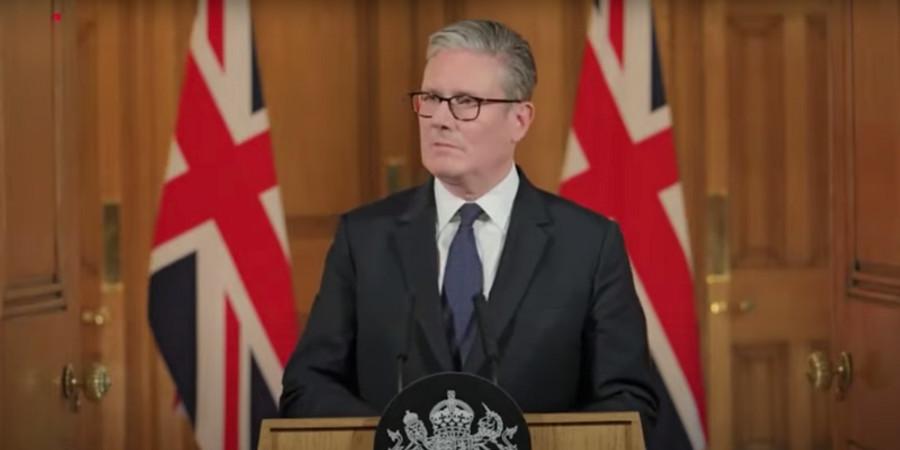
Prime Minister Keir Starmer has sought to distance himself from years of government advocacy on behalf of Egyptian activist Alaa Abd El-Fattah, after the Foreign Office admitted it failed to brief ministers and MPs on his historic antisemitic social media posts. El-Fattah was gifted British citizenship while in an Egyptian prison in 2022 after advocacy from his British born mother who was on hunger strike.
Starmer, his deputy PM and others all advocated for El-Fattah's release and celebrating his coming to the UK. "I’m delighted that Alaa Abd El-Fattah is back in the UK and has been reunited with his loved ones, who must be feeling profound relief," Starmer said over the weekend. "I want to pay tribute to Alaa’s family, and to all those that have worked and campaigned for this moment. Alaa's case has been a top priority for my government since we came to office. I’m grateful to President Sisi for his decision to grant the pardon."
Starmer has since changed his tune and said the posts were “absolutely abhorrent” and pointed to a letter from Foreign Secretary Yvette Cooper, which acknowledged long-running information failures inside the Foreign, Commonwealth and Development Office (FCDO). The admission came after the tweets resurfaced publicly, triggering concern amid heightened sensitivity around antisemitism in the UK.
In her letter to Emily Thornberry, chair of the Foreign Affairs Committee, Cooper said it had become clear that neither current nor former ministers were made aware of the tweets when they spoke publicly about Abd El-Fattah’s detention in Egypt. She added that even civil servants managing the case appeared unaware of the material.
“This has been an unacceptable failure,” Cooper wrote, saying internal procedures and due diligence arrangements were “completely inadequate” and resulted in senior officials making public statements without full information.
Abd El-Fattah, an activist who holds British citizenship, had been imprisoned in Egypt for several years. His detention prompted sustained pressure from MPs across parties and successive governments, with repeated calls for his release and for improved treatment while in custody. In 2010, El-Fattah wrote "yes, I consider killing any colonialists and specially zionists heroic, we need to kill more of them." Additional posts read: "dear zionists please don't ever talk to me, I'm a violent person who advocated the killing of all zionists including civilians, so f*ck of[f]."
Cooper wrote, “In the context of rising antisemitism, and recent horrific attacks against Jewish people in this country and around the world, I am deeply concerned that the unexpected emergence of these historical tweets… have added to the distress felt by Jewish communities in the UK,” she wrote.
The Foreign Secretary stressed that consular support is provided based on citizenship and vulnerability, not political beliefs, but acknowledged that MPs often rely on FCDO briefings when advocating publicly for constituents and high-profile detainees.
“I know that many MPs have also in the past relied on FCDO briefings about individual cases involving their constituents,” Cooper said, adding that internal processes must be reviewed to ensure accurate and complete information is shared.
Starmer backed the review and reiterated that the government does not endorse Abd El-Fattah’s past views. “As Yvette Cooper sets out in her letter, the historic tweets… are absolutely abhorrent,” he said.
The FCDO has been instructed to urgently review how consular and human rights cases are handled, including how sensitive information is escalated and how ministers and MPs are briefed. Cooper said she would update Parliament once changes are implemented.
Roberto Wakerell-Cruz
Roberto Wakerell-Cruz reports for Human Events.
Related
More World