
The most pressing issue for conservatives is not a policy problem. As we've seen in recent times, Republicans have been too accommodating, pretending to be empathetic, and even ousting their own members to please a mainstream media that despises them. What many on the right fail to grasp is that we are not the movement or political party of the past.
We are not Romney Republicans, McCain conservatives, or Bush Doctrine devotees. We are not even the MAGA movement of 2015. The modern-day America First movement is characterized by populism, nationalism, and an unapologetic stance that prioritizes the United States above all else.
The current, dominant conservative mindset of 2025 refutes many of the intellectual mindsets of years past. Recently, Harvard Law professor and "common good constitutionalist" Adrian Vermeule tweeted, "I just do not care what William F. Buckley would have thought." This sparked outrage from some, expectedly, who would love for the Republican Party to return to the feel-good of losing with virtue, as we did in 2008 and 2012. However, it is doubtful that any post could more brilliantly embody most modern conservatives' feelings about the ghosts of their ideology's passive past.
Now, look: William F. Buckley is a far more impactful thinker than I will likely ever be. I think most conservative commentators can say the same, and I realize that. That does not mean his impact should dictate how current conservatives behave, because his methods are no longer applicable.
Buckley's approach to conservatism may have been practical back in the 1980s and 90s, when the primary difference between liberalism and conservatism was their stance on taxes. Unfortunately, William F. Buckley also stringently believed in establishment civil discourse to the point where he would gatekeep conservatives who were willing to share ideas that did not align with the rest of the mainstream Republican Party.
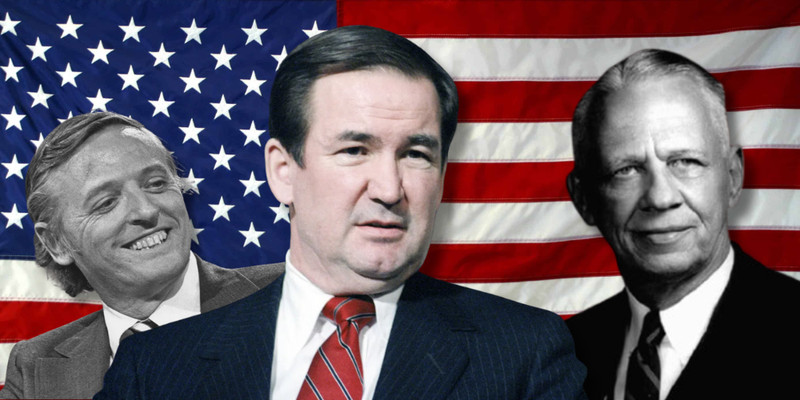
Remember, Buckley was the same man who attempted to excommunicate Patrick Buchanan from the conservative movement for his anti-interventionist views on foreign policy, and who, with his influence, purged the John Birch Society from the conservative movement in 1992 to appease liberal critics.
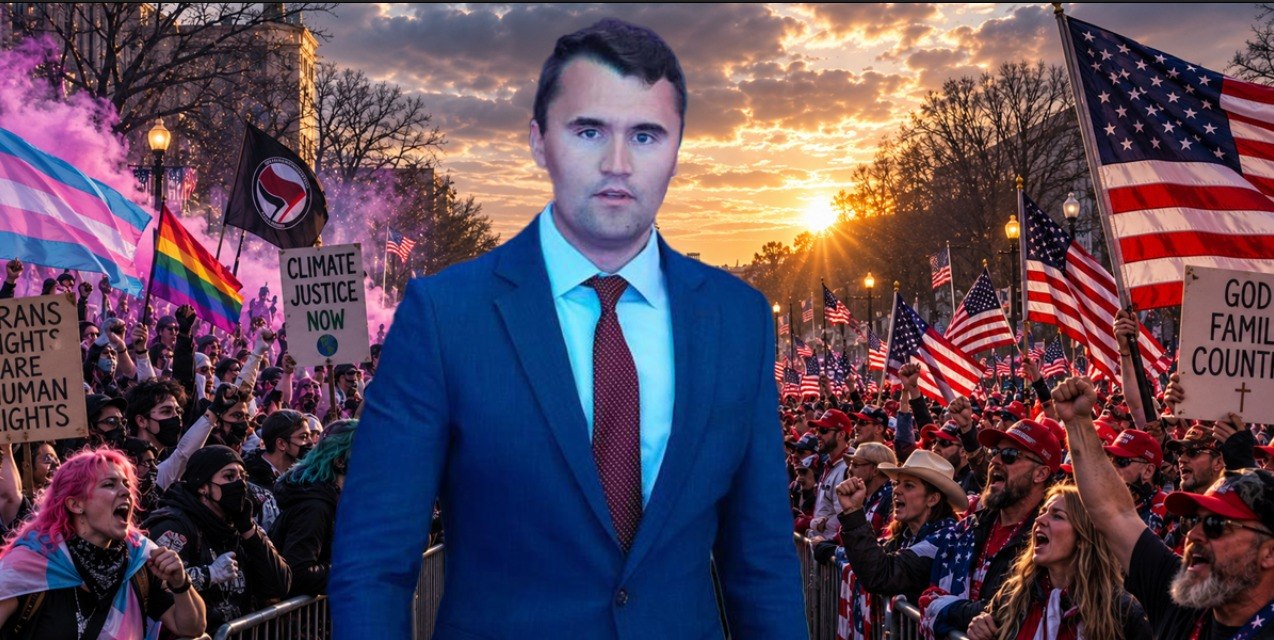
Pat Buchanan and the John Birch Society were too radical for Buckley thirty years ago, so it is safe to presume that he would have taken similar tactics to work against the America First movement in the same fashion if he were around for modern-day Republican politics. This weak approach does not work for today's battles against the violent leftists who target Supreme Court Justices, ICE (U.S. Immigration and Customs Enforcement) agents, and who assassinated Charlie Kirk.
Conservatives of 2025 are in the midst of a daily battle against street-level leftist aggression. The intellectual style of passive neoconservatism is ineffective in the urgent, intense modern era. We are at a critical juncture, fighting against figures that allowed leftism to inscribe its ideology on the blank slates of future generations.
By treating our opponents with more respect than they showed us, we have allowed Marxism, progressivism, and violent leftism to become dominant ideologies in America. We cannot afford to look back to the nonresistant intellectual conservatism that MAGA has overwhelmingly rejected.
MAGA's momentum is not just at risk, but in grave danger if we continue to keep the gate open for the sake of appeasing the mainstream. Conservative 'manners' have not just held us back, but shackled us for far too long. We cannot afford to reflect on how the ideologies of losers' past should have an impact on how we are supposed to behave as members of the Republican Party.
Buckley's heirs, such as Mark Levin, have attempted to adopt a passive approach to breed irrelevance. Today's conservatives are not participating in the pretend "marketplace of ideas" that the ghosts of the GOP past embodied. We are not defending the conception that America is an idea. Instead, we are battling the mobs and bureaucratic tyrants that have disenfranchised and silenced conservative voices that dare speak out against them. Charlie Kirk was assassinated,
President Donald Trump was shot, and there are January 6th prisoners rotting away in a jail cell right now, as establishment conservatives are worried about how their colleagues should have their platforms taken away.
If conservatives want to reflect modern approaches to conservatism that translate into today's war against the left, William F. Buckley should not be whom we model ourselves after. Instead, Republicans should look to the ideologies of Patrick Buchanan and Dr. Willmoore Kendall.
Buchanan, the intellectual grandfather of the Make America Great Again movement, created the paleoconservative mindset that predicted the left's rise to political authoritarianism, the migration crisis, and the rise of cultural Marxism into the mainstream Democratic establishment. With Kendall, who embodied an attitude of unapologetic majoritarianism far more than intellectual passivity, conservatives can be provided a roadmap for promoting conservatism as popular sovereignty, far more than the elitist mindsets of Buckley and others.
Instead of making conservatism about a weak exegesis, we should use Buchanan and Kendall over Buckley to make it potently populist.
Passive conservatism is a thing of the past. While William F. Buckley would have debated the devil, Buchanan and Kendall would have vanquished him. It's time for us to be ideological warriors, not intellectual peacemakers. The rejection of passive conservatism is not just a choice, it's a necessity in the current political climate.