Faith & Family
DR CHLOE CARMICHAEL: The victimhood industry is turning people into bullies
"One of the things I want people to understand is that if you try to silence somebody and take away their right to speak, frankly, you are the bully at that point."
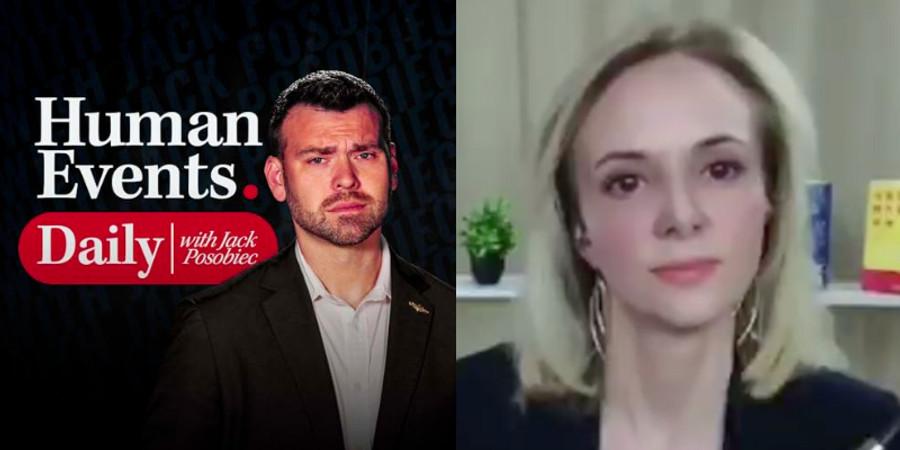
Human Events Daily host Jack Posobiec spoke with clinical psychologist Dr. Chloe Carmichael about the rise of “victimhood culture” and how modern society has blurred the line between emotional harm and physical violence, a shift she says can encourage people to weaponize their own sense of victimhood.
Posobiec contrasted how earlier generations dealt, “When I was a kid, my father taught me that classic phrase that perhaps isn't so classic anymore: sticks and stones can break my bones, but words will never hurt me. But we don't use that standard anymore. Now we use the standard, words are violence.”
He noted that this mindset stems partly from the anti-bullying movement, saying, “A lot of this does kind of come from there — that these words, these things that people say, are kind of the same thing as violence. Whereas, the way my father taught me was you stand up to bullies, you confront them, you take that step to self-actualize and rise to the occasion. But now we teach people to not do that. And it does kind of perhaps lead to these psychotic breaks.”
Dr. Carmichael agreed, explaining that many people unconsciously cling to victimhood because it offers attention and sympathy. “You can stand up to bullies or sometimes you can realize maybe the person isn't even a bully,” she said. “In fact, sometimes people can ironically become the bully through this secondary gains retaliation. One of the things I want people to understand is that if you try to silence somebody and take away their right to speak, frankly, you are the bully at that point.”
She described “secondary gains of victimhood” as a well-known psychological concept. “The classic example in a psych textbook is a little girl who breaks her leg, gets to skip gym class, everybody signs her cast — she loves it so much that when it’s time for the cast to come off, she says with all sincerity, no, no, no, I still need it. She’s not lying; she’s just unconsciously attached to the perks that come with being a victim,” Carmichael said.
That attachment, she warned, can evolve into something more deliberate. “People can actually wield that victimhood power in a more sophisticated, intentional way. If you say, words are violence and therefore your words are bullying me and victimizing me — now I’m justified to retaliate with my fists.”
Carmichael pointed to a recent example, noting that one shooter had reportedly etched “Hey fascist, catch” on a bullet. “As a clinical psychologist, if a patient tells me he’s going to say something mean and nasty to his neighbor, I’m legally prohibited from breaking confidentiality,” she said. “But if my patient tells me he’s going to go punch somebody in the face, then I’m obligated to take action — because it’s obvious one is violence and one is not. We’re not helping people by blurring that line with phrases like words are violence.”
Jack Posobiec
Jack Posobiec is the host of Human Events Daily and Senior Editor for Human Events.
Related
More Faith & Family