
The first attempt at creating a global treaty on plastics pollution has come to an end with no solution. Delegates from the 180 countries engaged in the talks could not come to a deal over how to tackle plastic pollution and so walked away from the negotiation table with no plan.
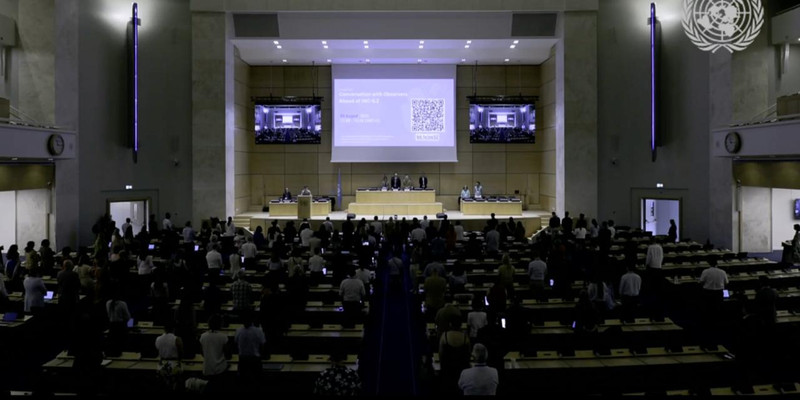
The meeting was held at the United Nations headquarters in Geneva, Switzerland, and while over 100 countries said that there should be a "legally binding cap on plastics production," CNN reports, nations that made their GDP through oil and gas were not on board.
"The second part of the fifth session of the Intergovernmental Negotiating Committee to develop an international legally binding instrument on plastic pollution, including in the marine environment (INC-5.2), took place from 5 to 15 August 2025 at the Palais des Nations in Geneva, Switzerland," the group stated.
Saudi Arabia and Russia both endeavored to steer the deal toward recycling or reuse of existing plastics rather than putting production caps in place. They also were opposed to plans to phase out specific kinds of dangerous chemicals.
As no deal was reached, plans will have to be made to have a follow-up meeting. This meeting itself was a follow-up from 2022, when nations agreed to come up with a plastics treaty. The idea was to deal with issues both of production and waste.
This Geneva meeting was the 6th one on the topic and again, no deal was made during the negotiations. Production cuts have been a sticking point.
The most pressing issue on plastics pollution regards microplastics. When plastic breaks down, it creates tiny plastic particles which then get into everything from our drinking water to our food to our blood. Plastics also contain toxic chemicals which cause problems throughout the human lifespan.
Nations that do not heavily rely on plastics, oil, or gas production are more likely to prioritize the problem of plastics and not the profit. Plastics also are here to stay. The amount of single-use plastics has been rising and only about 10% of that is recycled.
Manufacturers, said International Council of Chemical Associations Marco Mensink, remain "committed to supporting a treaty that keeps plastics in the economy and out of the environment by advancing a circular economy — designing products for reuse and recycling, collecting them at end of life, and remaking them into new products."
Countries with fossil fuel economies were blamed. "The vast majority of governments want a strong agreement, yet a handful of bad actors were allowed to use the process to drive such ambition into the ground," said a plastics campaigner with Greenpeace.
Greenpeace previously revealed that plastics recycling does not work. They said it was a "dead-end street."
The meeting was held at the United Nations headquarters in Geneva, Switzerland, and while over 100 countries said that there should be a "legally binding cap on plastics production," CNN reports, nations that made their GDP through oil and gas were not on board.
"The second part of the fifth session of the Intergovernmental Negotiating Committee to develop an international legally binding instrument on plastic pollution, including in the marine environment (INC-5.2), took place from 5 to 15 August 2025 at the Palais des Nations in Geneva, Switzerland," the group stated.
Saudi Arabia and Russia both endeavored to steer the deal toward recycling or reuse of existing plastics rather than putting production caps in place. They also were opposed to plans to phase out specific kinds of dangerous chemicals.
As no deal was reached, plans will have to be made to have a follow-up meeting. This meeting itself was a follow-up from 2022, when nations agreed to come up with a plastics treaty. The idea was to deal with issues both of production and waste.
This Geneva meeting was the 6th one on the topic and again, no deal was made during the negotiations. Production cuts have been a sticking point.
The most pressing issue on plastics pollution regards microplastics. When plastic breaks down, it creates tiny plastic particles which then get into everything from our drinking water to our food to our blood. Plastics also contain toxic chemicals which cause problems throughout the human lifespan.
Nations that do not heavily rely on plastics, oil, or gas production are more likely to prioritize the problem of plastics and not the profit. Plastics also are here to stay. The amount of single-use plastics has been rising and only about 10% of that is recycled.
Manufacturers, said International Council of Chemical Associations Marco Mensink, remain "committed to supporting a treaty that keeps plastics in the economy and out of the environment by advancing a circular economy — designing products for reuse and recycling, collecting them at end of life, and remaking them into new products."
Countries with fossil fuel economies were blamed. "The vast majority of governments want a strong agreement, yet a handful of bad actors were allowed to use the process to drive such ambition into the ground," said a plastics campaigner with Greenpeace.
Greenpeace previously revealed that plastics recycling does not work. They said it was a "dead-end street."