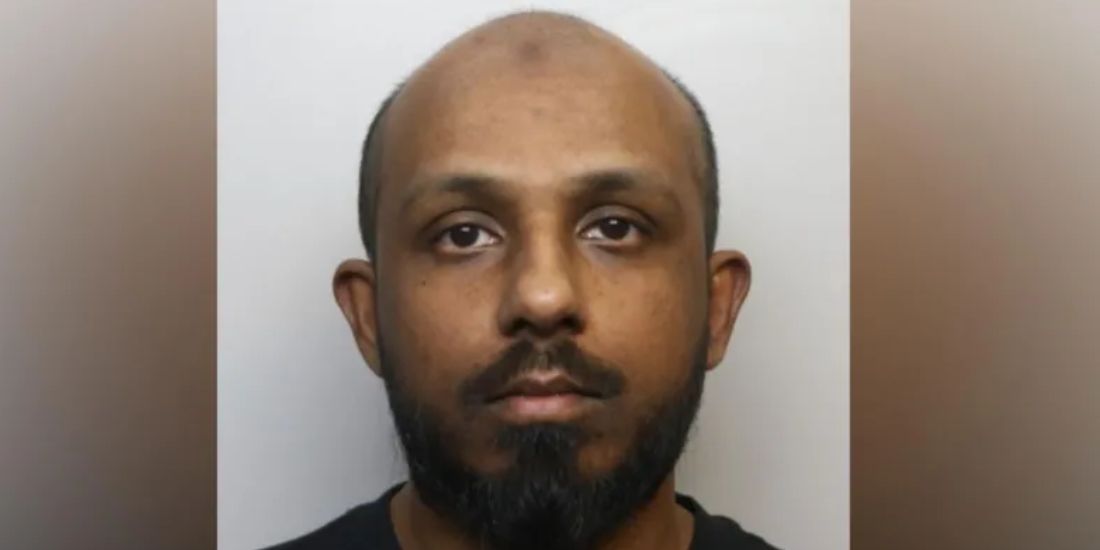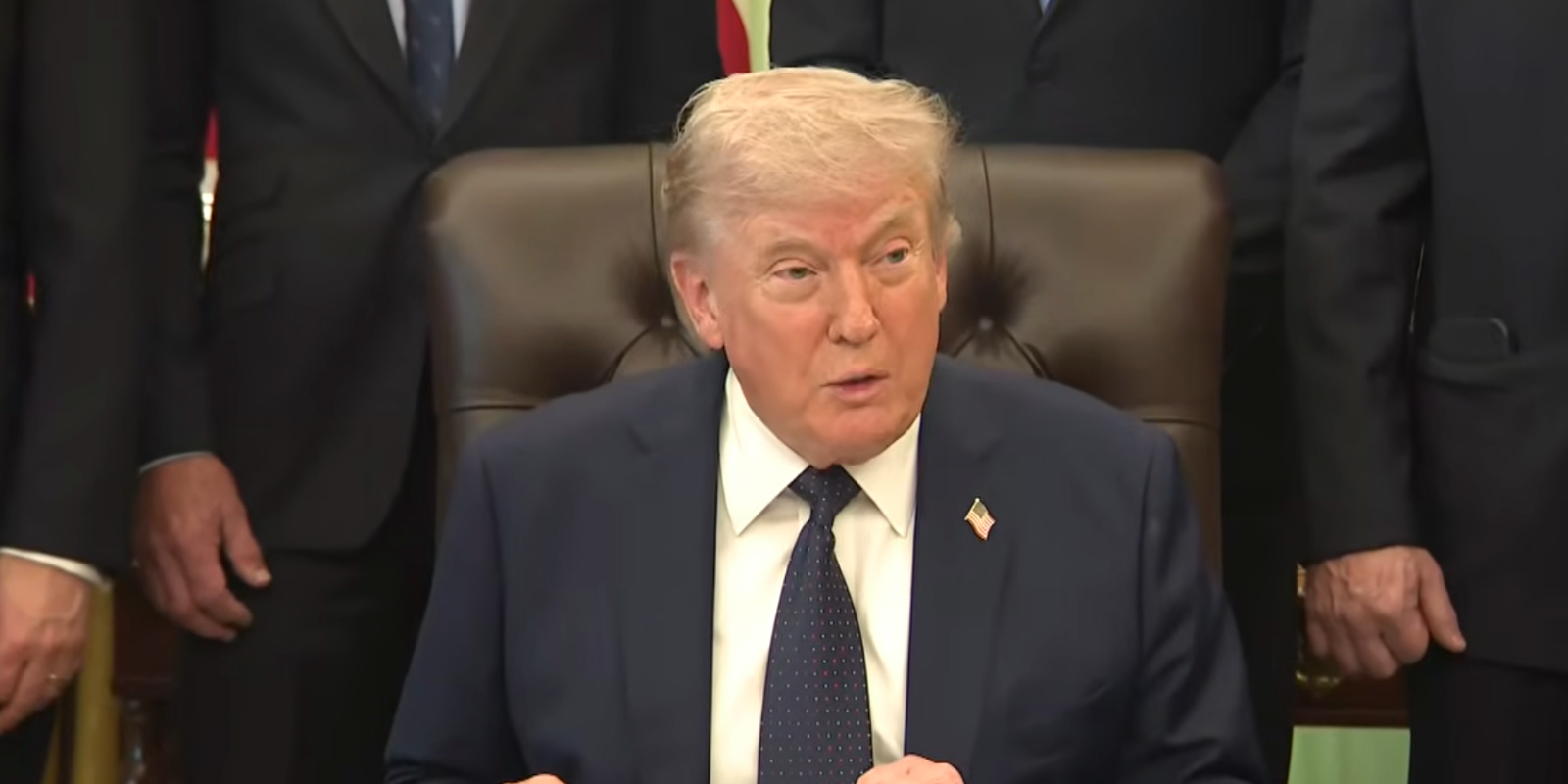
Frist:
Some Senate Republicans express concern that new Majority Leader Bill Frist (R.-Tenn.) does not understand the importance of judicial nominees and his own role in pushing them through the Senate.
1) One reason some Republicans decided to throw Sen. Trent Lott (R.-Miss.) overboard was that, in his Black Entertainment Television (BET) appearance, Lott was unable to defend appellate court nominee Charles Pickering. Republicans feel that Lott should have used Pickering, who testified against a KKK leader and desegregated his fraternity, as a "sword and a shield" rather than apologize for him. Lott, in effect, conceded Democratic charges that the judge is racist.
2) Frist, however, in a recent leadership press conference appeared not to see the importance of the issue to Republicans. As National Republican Senatorial Committee chairman, Frist had upset some Republicans when he said the Borking of Pickering was "too parochial" to be any sort of political issue.
3) Frist, on Pickering, has been ambivalent, saying he will review Pickering's record-as if he were just one more Republican senator talking about just another piece of legislation, his GOP colleagues complain. As leader, he no longer has that luxury, his fellow Republicans are trying to tell him.
4) Emphasizing GOP worries, a recent New York Times editorial drives a wedge between Bush and Frist, arguing that Republicans ought to be more defensive (like Frist) and less strident (like Bush).
5) Pro-life complaints about Frist are gaining in volume. Some abortion opponents point to Frist's 1994 campaign in which he ran as nominally pro-choice while "personally opposed" to "most abortions."
6) Also, Frist holds a large amount of stock in his father's hospital chain, called HCA, which provides abortions, according to critics. In 1995, Frist defended Clinton's failed nomination of Henry Foster as Surgeon General. Republicans charged that Foster had performed abortions.
Foreign Policy:
Differences continue over Iraq and Korea between Secretary of State Colin Powell on the one hand, and Vice President Dick Cheney, Secretary of Defense Donald Rumsfeld and, increasingly, National Security Adviser Condoleezza Rice on the other.
1) Powell seems more and more isolated on the Iraqi question as the troop buildup continues in the Middle East. The consensus remains that war is "probable" but not "inevitable." While President George W. Bush says he still wants peace, it is difficult to back away.
2) Timing is a problem. The weeks suitable for an attack on Iraq are passing quickly, and the uniformed military claim they still are not ready for war-and may not be until early March. At the same time, the UN weapons inspectors are talking about needing many more months before coming to a definitive conclusion on weapons of mass destruction (WMD) in Iraq.
3) Furtive attempts at back-channel communications have been made with Baghdad, but with no concrete results. Realists in the Iraqi government know they are doomed if the Americans attack, and they want some sign of what it would take to avert military action. On the other hand, Powell would like to see some admission of guilt regarding forbidden WMD.
4) While support for military action prevails both in Congress and the nation, it is diminishing. Even Republicans privately ask for evidence of a.) WMD in Iraq and/or b.) Iraqi linkage with al Qaeda prior to taking military action.
5) On the Korea front, Powell is winning out in his effort to replace confrontation with dialogue. The "talk but not negotiate" formulation has been followed by a promise of aid to North Korea after the Communist nation abjures nuclear weapons. The use of New Mexico Gov. Bill Richardson (D.) as contact with Pyongyang was encouraged by Powell.
6) Nobody wants a second Korean War. It is merely a question of whether to isolate or deal with Pyongyang. Attempts to justify the rhetorical inclusion of North Korea in the "Axis of Evil" have just about been abandoned.
7) Powell suffered a setback with the nomination by the President of hard-line anti-Castro Roger Noriega as Assistant Secretary of State for Inter-American Affairs (Noriega currently serves as ambassador to the Organization of American States). Powell had pushed for Anne Patterson, a Foreign Service official who is currently U.S. Ambassador to Colombia and not a favorite among Congressional conservatives.
The White House had decided not to embark on a long confirmation fight over Otto Reich, the anti-Castro Cuban-American who served the last year as Assistant Secretary under a recess appointment. Instead Bush has appointed him "presidential envoy" to the Americas, which is not subject to Senate confirmation.