World
Iran prepares massive state funeral for Ali Khamenei as millions expected to flood Tehran
Burial is expected at the shrine of Imam Reza in Mashhad. Officials have declared a national day of mourning for next week.
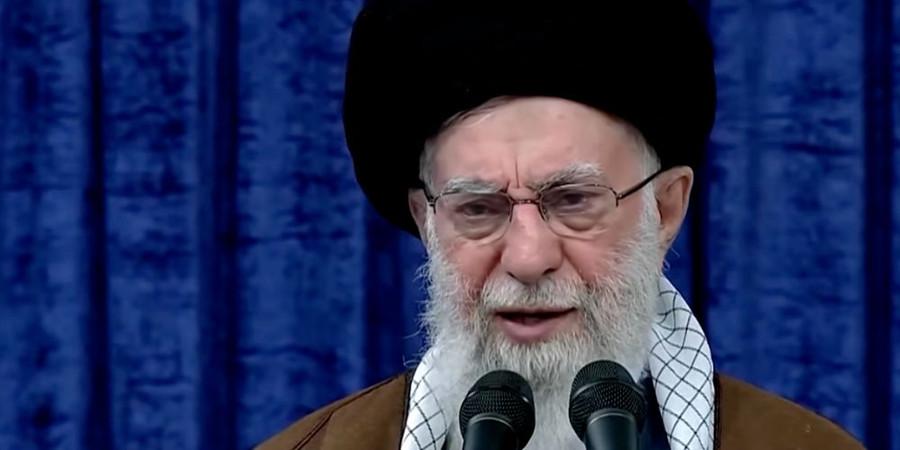
A large-scale state funeral is set to take place in Tehran this weekend for former Iranian supreme leader Ali Khamenei, with authorities projecting one of the largest public gatherings in the country’s recent history. Officials estimate turnout in the capital could reach as high as 20 million people, with millions more expected across other cities.
The ceremony begins Saturday at the Mosalla prayer grounds in Tehran, where mourners will be allowed to pass by the body over a two-day period. A formal funeral prayer is scheduled for the second day before the procession moves through additional cities.
Authorities say the events will continue beyond Tehran, with planned ceremonies in Qom and Mashhad, as well as religious sites in Iraq, including Najaf and Karbala. Burial is expected at the shrine of Imam Reza in Mashhad. Officials have declared a national day of mourning for next week.
State organisers say between 18 and 35 million people could participate in events nationwide. More than 900 foreign journalists have registered to cover the proceedings, with delegations from around 100 countries expected.
Preparations have been underway across Tehran, where posters and banners of Khamenei have been placed in public areas. The funeral comes after a period of political transition in the country following his death.
Khamenei, who led the Islamic Republic for 36 years, was killed alongside several family members during Israeli airstrikes on his residence on Feb. 28, according to officials.
His successor, Mojtaba Khamenei, is expected to play a central role in the ceremonies. He has not appeared publicly since assuming the position, and the funeral is seen as his first major national test. It remains unclear whether he will lead prayers during the event.
The transition has unfolded alongside internal political tensions, including disputes over a recent peace agreement with the United States. Officials have indicated the funeral was scheduled after diplomatic developments stabilised the situation.
At a briefing this week, Mohammad Bagher Ghalibaf, the chief negotiator, addressed internal criticism, saying: “You who help neither in diplomacy nor in war, stop causing trouble.”
Elsewhere, Iranian lawmakers have raised concerns about political manoeuvring within the system. MP Kamran Ghazanfari alleged that officials were discouraging public mobilisation efforts, describing it as "a semi-political coup against the leader of the system."
State media has broadcast continuous coverage of Khamenei’s past speeches ahead of the funeral, framing the event as a moment of national unity despite visible divisions within the political establishment.
The funeral of Mojtaba Khamenei’s wife, Zahra Haddad-Adel, who was also killed in the same strike, was held earlier this week in Tehran.
Roberto Wakerell-Cruz
Roberto Wakerell-Cruz reports for Human Events.
Related
More World