Faith & Family
Japan Supreme Court orders church linked to Shinzo Abe assassination dissolved
Abe was shot and killed while giving a campaign speech, with the accused gunman, Tetsuya Yamagami, telling investigators that he targeted Abe because he believed Abe had ties to the Unification Church.
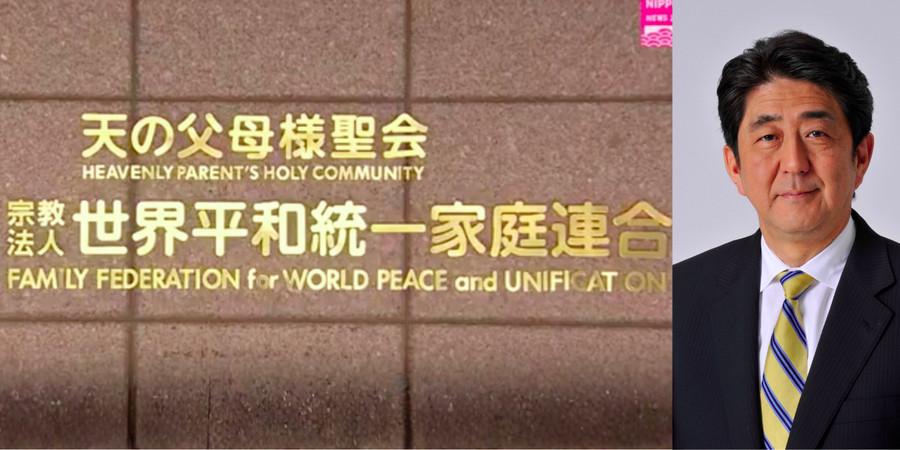
Japan’s Supreme Court on Monday finalized the dissolution of the Family Federation for World Peace and Unification, formerly known as the Unification Church, ending the group's legal challenge and marking the first time the country’s highest court has ordered the disbandment of a religious corporation based on illegal acts under the Civil Code.
The case drew heightened public attention after the 2022 assassination of former Prime Minister Shinzo Abe, which brought renewed scrutiny to the organization and allegations surrounding its fundraising practices.
Abe was shot and killed while giving a campaign speech, with the accused gunman, Tetsuya Yamagami, telling investigators that he targeted Abe because he believed Abe had ties to the Unification Church.
Yamagami's anger was not directly toward Abe. According to investigators and court filings reported at the time, he blamed the church for financially ruining his family. His mother reportedly gave massive sums of money to the organization, leading to severe financial hardship. Abe was not a member of the church. However, he had appeared in video messages and events connected to church-affiliated organizations.
In a unanimous decision, the Supreme Court’s Third Petty Bench, led by Justice Eriko Watanabe, rejected the group's special appeal against a Tokyo High Court ruling that had upheld an earlier dissolution order. The decision makes the disbandment final, reports Japan News.
The court found that followers of the organization caused extensive financial harm to numerous individuals through improper solicitation of donations between 1973 and 2022. According to the ruling, the conduct stemmed from an organized effort within the group based on the founders’ policy that economic assistance should be provided to nations around the world.
The justices said the activities clearly violated laws and regulations and harmed public welfare. The court also determined that stripping the group of its religious corporate status was appropriate because it had failed to take effective measures to prevent inappropriate fundraising practices and that further harm was likely.
The organization argued that a dissolution order violated Articles 20 and 21 of Japan’s Constitution, which protect freedom of religion and association. The court rejected that claim, ruling that the order was constitutional because it does not prohibit religious activities by followers or prevent the group from continuing as a voluntary religious organization.
The Tokyo District Court first issued the dissolution order in March 2025. The Tokyo High Court upheld that decision in March 2026, leading the group to file its final appeal. Two other religious corporations in Japan, the Aum Supreme Truth cult and the Myokakuji group, were previously dissolved after criminal offenses for which their leaders were held responsible. This case, however, centered on tortious acts under the Civil Code rather than criminal convictions.
“In cooperation with relevant government bodies, we will take necessary and thorough measures to provide relief to the victims,” said an official for the Cultural Affairs Agency.
The group said in a statement, “It is extremely regrettable that they handed down their decision without taking into account our arguments.”
Roberto Wakerell-Cruz
Roberto Wakerell-Cruz reports for Human Events.
Related
More Faith & Family