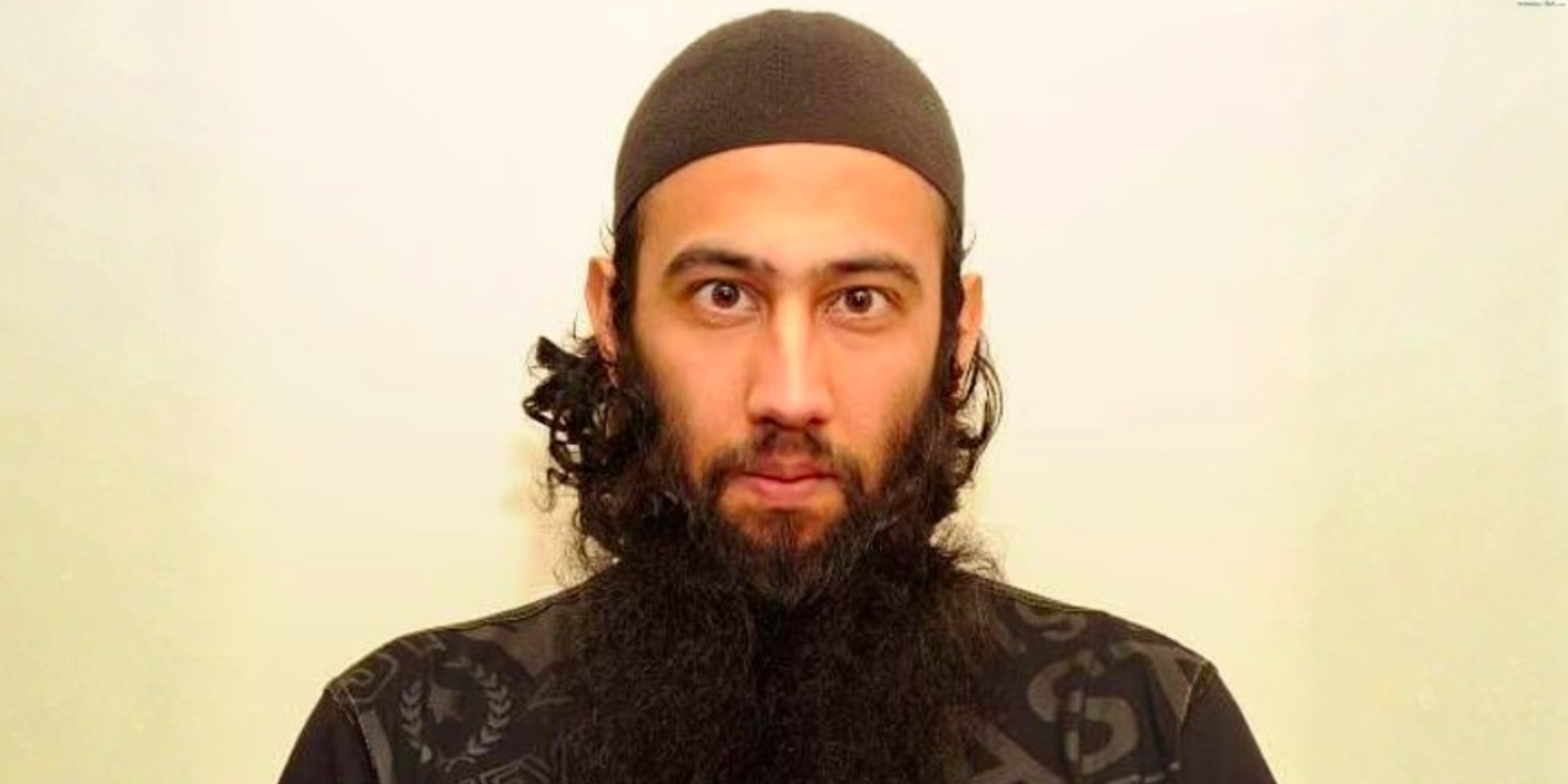
Zahid Iqbal, a convicted Al Qaeda-inspired terrorist who plotted to bomb a UK Territorial Army centre in Luton, is set to be released from prison weeks early despite expert warnings that he remains a danger.
Iqbal, 43, was jailed in 2013 for engaging in conduct in preparation for acts of terrorism. He and his co-conspirators planned to use a remote-controlled toy car to deliver a homemade bomb, based on instructions from an Al Qaeda manual. During his sentence, Iqbal also arranged terrorist training in Pakistan and discussed acquiring weapons, reports the Daily Mail.
A report from the Parole Board said Iqbal had completed an accredited programme addressing extremist offending and had undertaken work to better understand his faith. He was assessed as having a low level of engagement in extremist ideology while on licence.
The panel approved his early release, citing a robust plan including designated accommodation, strict limits on his contacts, movements, and technology use, and conditions to report relationships and allow police searches.
Iqbal had previously been released in November 2021 but recalled in 2023 over concerns about breaches of his licence conditions, including possession of an unmonitored phone. No behavioural issues were reported during his recall period, though the nature of some breaches remained unclear.
Iqbal is also believed to have had connections to Westminster terror attacker Khalid Masood, who lived in Luton at the time.
Survivors and experts have criticised the decision. Jade Clough, injured in the Manchester Arena attack, said: “I have real fear he will carry out an attack. It’s awful. Surely they know him better than anyone recently? They are saying keep him in prison. It’s a shocking decision.”
Colonel Richard Kemp, former commander of UK forces in Afghanistan, described the release as “extremely unwise” and compared it to the London Bridge attacker case, warning that the Parole Board is “putting the lives of British citizens at risk.”
Iqbal’s co-conspirators, Mohammed Sharfaraz Ahmed, Umar Arshad, and Farhan Hussain, were quietly released from prison in 2023 after serving portions of their sentences. All had been sentenced at Woolwich Crown Court in 2013, where tapes of the men discussing bomb-making were played in court.
Iqbal, 43, was jailed in 2013 for engaging in conduct in preparation for acts of terrorism. He and his co-conspirators planned to use a remote-controlled toy car to deliver a homemade bomb, based on instructions from an Al Qaeda manual. During his sentence, Iqbal also arranged terrorist training in Pakistan and discussed acquiring weapons, reports the Daily Mail.
A report from the Parole Board said Iqbal had completed an accredited programme addressing extremist offending and had undertaken work to better understand his faith. He was assessed as having a low level of engagement in extremist ideology while on licence.
The panel approved his early release, citing a robust plan including designated accommodation, strict limits on his contacts, movements, and technology use, and conditions to report relationships and allow police searches.
Iqbal had previously been released in November 2021 but recalled in 2023 over concerns about breaches of his licence conditions, including possession of an unmonitored phone. No behavioural issues were reported during his recall period, though the nature of some breaches remained unclear.
Iqbal is also believed to have had connections to Westminster terror attacker Khalid Masood, who lived in Luton at the time.
Survivors and experts have criticised the decision. Jade Clough, injured in the Manchester Arena attack, said: “I have real fear he will carry out an attack. It’s awful. Surely they know him better than anyone recently? They are saying keep him in prison. It’s a shocking decision.”
Colonel Richard Kemp, former commander of UK forces in Afghanistan, described the release as “extremely unwise” and compared it to the London Bridge attacker case, warning that the Parole Board is “putting the lives of British citizens at risk.”
Iqbal’s co-conspirators, Mohammed Sharfaraz Ahmed, Umar Arshad, and Farhan Hussain, were quietly released from prison in 2023 after serving portions of their sentences. All had been sentenced at Woolwich Crown Court in 2013, where tapes of the men discussing bomb-making were played in court.