
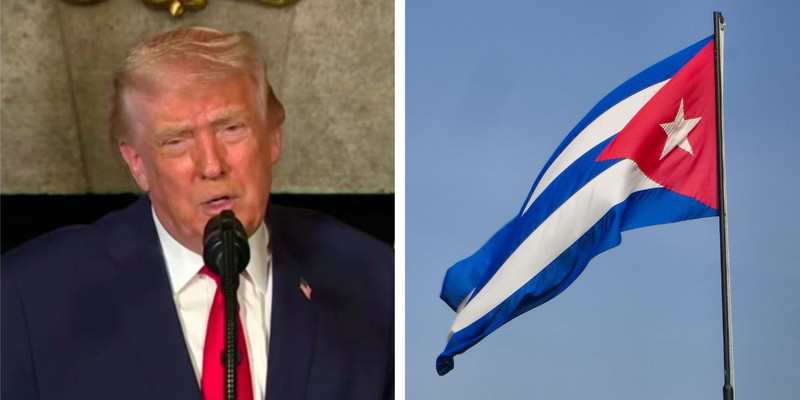

Cuba has warned international airlines that it will be unable to supply aviation fuel beginning Monday, a development that could disrupt nearly 400 scheduled flights each week and force carriers to reroute or add refueling stops outside the country. This comes after President Donald Trump ordered a blockade on oil tankers in Venezuela.
According to notifications sent to operators, there will be no Jet A-1 fuel available at Cuban airports starting February 9, affecting international and regional carriers operating across the island. Airlines have already begun adjusting flight plans as a result, reports Reuters.
The fuel shortage is expected to hit routes serving Havana, Varadero, Santiago de Cuba, and major resort destinations, with airlines required to arrive with enough fuel to depart or conduct technical refueling stops in nearby countries such as Mexico, the Dominican Republic, or the Bahamas. In some cases, cancellations are also possible.
Flight data shows that approximately 398 weekly flights are scheduled to Cuba this month. Among the most affected airlines by volume are WestJet with 97 weekly flights, American Airlines with 73, and Copa Airlines with 29. Canadian routes to resort destinations like Varadero and Cayo Coco are also expected to see operational changes.
Cuban officials have linked the fuel shortfall to tightening energy supplies and restrictions on oil deliveries to the island. The situation grows as recent Trump policy actions targeting countries that supply crude oil to Cuba, which has reduced available imports and intensified an already fragile energy system. The president has threatened to impose tariffs on countries that supply Cuba with oil and ordered a blockade on oil tankers in Venezuela.
Key international routes are likely to feel the impact quickly. American Airlines’ heavily trafficked Havana to Miami service, Copa Airlines’ Panama City hub connections, and transatlantic flights to Madrid operated by Iberia, Air Europa, and World2Fly are among those affected by the lack of on-island refueling.
Cuba currently produces only about one-third of its domestic hydrocarbon needs and depends heavily on foreign suppliers to meet demand. The aviation fuel shortage comes as the government has already moved to suspend diesel sales and restrict certain public services as part of emergency energy measures.
According to notifications sent to operators, there will be no Jet A-1 fuel available at Cuban airports starting February 9, affecting international and regional carriers operating across the island. Airlines have already begun adjusting flight plans as a result, reports Reuters.
The fuel shortage is expected to hit routes serving Havana, Varadero, Santiago de Cuba, and major resort destinations, with airlines required to arrive with enough fuel to depart or conduct technical refueling stops in nearby countries such as Mexico, the Dominican Republic, or the Bahamas. In some cases, cancellations are also possible.
Flight data shows that approximately 398 weekly flights are scheduled to Cuba this month. Among the most affected airlines by volume are WestJet with 97 weekly flights, American Airlines with 73, and Copa Airlines with 29. Canadian routes to resort destinations like Varadero and Cayo Coco are also expected to see operational changes.
Cuban officials have linked the fuel shortfall to tightening energy supplies and restrictions on oil deliveries to the island. The situation grows as recent Trump policy actions targeting countries that supply crude oil to Cuba, which has reduced available imports and intensified an already fragile energy system. The president has threatened to impose tariffs on countries that supply Cuba with oil and ordered a blockade on oil tankers in Venezuela.
Key international routes are likely to feel the impact quickly. American Airlines’ heavily trafficked Havana to Miami service, Copa Airlines’ Panama City hub connections, and transatlantic flights to Madrid operated by Iberia, Air Europa, and World2Fly are among those affected by the lack of on-island refueling.
Cuba currently produces only about one-third of its domestic hydrocarbon needs and depends heavily on foreign suppliers to meet demand. The aviation fuel shortage comes as the government has already moved to suspend diesel sales and restrict certain public services as part of emergency energy measures.