
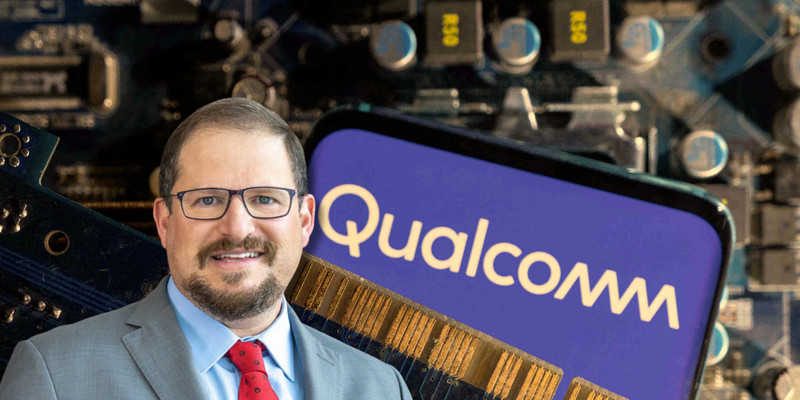

Before 2005, less than 10% of Qualcomm’s revenue came from China. By 2021, that number skyrocketed to 67%, and has remained above 60% in recent years. No Fortune 200 company relies more on Chinese markets than Qualcomm. And in return for market access, Qualcomm has bent the knee to the CCP’s demands at the expense of US national security and economic competitiveness.
At the heart of Qualcomm’s business model is a portfolio of standard-essential patents (SEPs). Qualcomm asserts these patents protect its intellectual property rights to technologies associated with 5G, WiFi, and video streaming codecs that other companies must buy licenses to use. Through its participation in developing standards, Qualcomm has made binding commitments to license its SEPs on fair terms.
Yet, Qualcomm’s licensing practices in China are anything but fair. In 2015, after facing international antitrust scrutiny over its patent licensing tactics, Qualcomm was challenged by Chinese regulators at the National Development and Reform Commission. Unlike in the US or Europe, where it fought regulators for years, Qualcomm capitulated quickly to China. It paid a $975 million fine, committed to a $150 million venture fund for Chinese startups, and most importantly, agreed to reduce patent royalties for devices sold in China by 35%.
In addition to its China discount, Qualcomm’s licensing policies favor cheap Chinese smartphones over devices sold in America. Qualcomm is directly subsidizing China’s smartphone industry on the backs of American consumers. And this gift to China does not stop at China’s borders. Qualcomm effectively propels cheap Chinese smartphone sales around the globe.
The consequences of Qualcomm’s China problem go beyond price discrimination. Qualcomm has poured millions into Chinese artificial intelligence firms, many of which have been linked to human rights violations and Chinese military applications. One high-profile example is SenseTime, which allowed China to surveil Uyghurs. Even after SenseTime was placed on a U.S. government blacklist, Qualcomm waited years to divest, and not before highlighting SenseTime’s surveillance capabilities in its own investor materials.
Other Qualcomm-backed firms include those tied to the People’s Liberation Army and China's effort to circumvent U.S. export controls on semiconductors. That means Qualcomm profits while helping the CCP advance its military and surveillance goals, goals explicitly hostile to U.S. interests.
Qualcomm is an important American technology company, but its practices reveal where its loyalties lie. While lawmakers in Washington scramble to rebuild America’s semiconductor manufacturing base, Qualcomm is busy subsidizing Chinese firms and underwriting Beijing’s technological ambitions.
This is a national security risk hiding in plain sight. The United States should stop ignoring Qualcomm’s bad behavior. We cannot build a secure technological future by subsidizing our adversaries.
Javon Price is a member of the US Air Force, a former policy analyst for the America First Policy Institute (AFPI), and a former aide to Florida Rep Byron Donalds.