SOAD TABRIZI: SSRIs were sold as miracle drugs—now they're a national crisis
We’ve built a system that hands out pills instead of addressing the root cause.
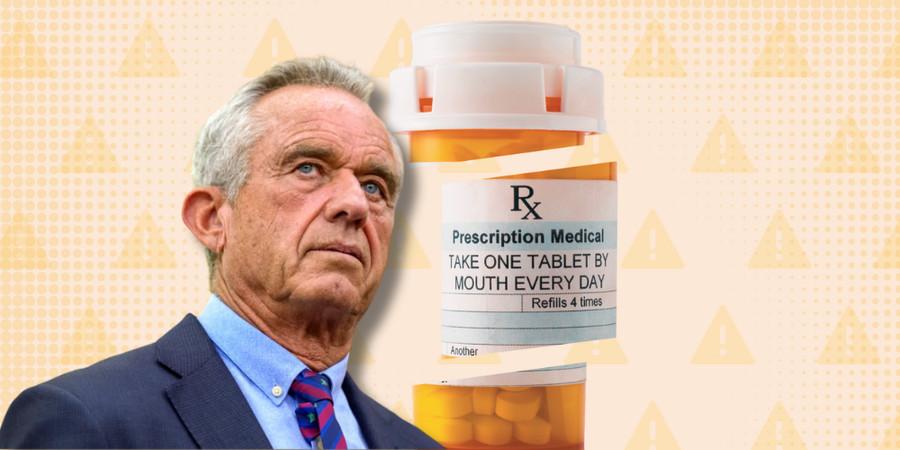
Many people have heard of SSRIs, but few actually know what they are or how they work. Selective Serotonin Reuptake Inhibitors (SSRIs) are a class of psychiatric drugs most commonly prescribed as antidepressants. First introduced in the late 1980s – with Prozac as the most famous example – they quickly became the go-to treatment for depression, anxiety, and related disorders. They were marketed as safer and more tolerable than the older antidepressants, tricyclics and MAOIs, which came with heavy side effects and strict dietary restrictions. SSRIs, by comparison, were sold as the “simple” solution.
So what do they actually do?
The so-called serotonin hypothesis of depression – first introduced in the 1960s and still hotly debated and widely criticized – claims that low serotonin levels in the brain cause depression. SSRIs were designed to correct this alleged “chemical imbalance.” Serotonin is a neurotransmitter involved in mood, sleep, appetite, and cognition. Normally, once serotonin is released into the synaptic gap – the space between two neurons – it delivers its signal to the receiving neuron, then gets reabsorbed by the original neuron in a process called reuptake. In simple terms, a neuron releases serotonin, which lingers in the gap to pass on a message, and then it is reabsorbed.
SSRIs interfere with this cleanup process. By blocking reuptake, they keep serotonin floating in the gap longer, giving it more chances to stimulate the neighboring neuron. After several weeks, this prolonged signaling is supposed to improve mood and relieve depressive symptoms.
Most people are unaware of the weak research foundation behind SSRIs. The average clinical trial for these drugs lasts just 6-8 weeks – barely long enough to get FDA approval. After that, doctors prescribe them for months, years, even decades, despite there being virtually no evidence that long-term use is either safe or effective. The biggest antidepressant studies rarely last more than a year, and even those are riddled with dropouts that make the results unreliable. Meanwhile, long-term SSRI use has been tied to tolerance, emotional blunting, withdrawal syndromes, and neurological changes. In fact, the FDA placed a black box warning on all antidepressants because of the increased risk of suicidal thoughts and behaviors in children, teens, and young adults under 25. Yet guidelines still encourage patients to stay on them indefinitely – so much so that trying to quit can be dangerous, with withdrawal symptoms severe enough to push some into crisis.
Let that sink in: drugs that were barely tested, sold to the public as antidepressants, have left millions of people so dependent that withdrawal can be devastating – and in some cases, drive people to suicide. And the foundation this rests on is just as flimsy as the trials are short.
Instead of using hard biological markers, most psychiatric studies rely on subjective rating scales like the Hamilton Depression Rating Scale (HAM-D) or the Montgomery-Åsberg Depression Rating Scale (MADRS). These are little more than checklists – “rate your mood from 1 to 10” – leaving endless room for bias, placebo effects, and inconsistent scoring. To make matters worse, many of these scales are copyrighted by the very institutions and companies profiting from their use. In short, the so-called “science” propping up psychiatric medications rests on short-term trials, subjective questionnaires, and tools owned by the same system that pushes the drugs. Sound shady yet? Just wait.
Do you know where 90 to 95% of your serotonin is produced? Your gut. Specialized cells in the intestines convert the amino acid tryptophan – found in foods like poultry, eggs, dairy, and nuts – into serotonin. While the brain makes a small supply, it can only do so from tryptophan that crosses the blood-brain barrier. In other words, your diet and gut health directly determine how much serotonin your body has available. Yet instead of addressing gut health and nutrition, we hand out SSRIs to “manage” serotonin levels in the brain – a quick chemical fix that ignores the very place serotonin is primarily created.
Thankfully, Health and Human Services Secretary Kennedy is working to change this. He is implementing nutrition education in medical schools and weaving it into the MCAT nationwide. His mission is simple but revolutionary: prescribe diet, not just drugs.
The truth is, we don’t know what SSRIs do to a person’s brain long term, because no one has bothered to study it. We can’t rule out that erratic, destructive, or violent behavior may be caused by the very drugs prescribed to “stabilize” mood. Secretary Kennedy has already announced that his team will investigate a possible connection between SSRIs and violent behavior following the Minnesota church shooting on August 27, 2025. He has called mass shootings a health crisis – and he wants to uncover the true roots of that crisis.
We’ve built a system that hands out pills instead of addressing the root cause. Ninety percent of serotonin is produced in the gut. Yet, rather than teaching people to heal through diet, nutrition, and overall health, we medicate them with SSRIs that were barely tested and never proven safe for long-term use. Real solutions have been replaced with chemical shortcuts, leaving people dependent, struggling with withdrawal, and in some cases, losing their lives. It’s time to stop pretending these drugs are the answer and start focusing on the foundations of health that actually give people a chance to recover.
Soad Tabrizi is a licensed marriage and family therapist in eight states, with a private practice based in Orange County, CA (www.soadtabrizi.com). Soad is also the founder of www.ConservativeCounselors.com.
Related
More World