
A British town councillor is facing an investigation and has been reported to police after raising concerns on Facebook about a secretive government scheme that relocated hundreds of Afghan migrants to a hotel in Bracknell, England.
John Edwards, an independent councillor in the city of Sandhurst, posted in April about Operation Rubific—a plan in which 320 Afghan nationals were moved into a local hotel without public notice.
While Edwards made clear that he supported treating all arrivals “with dignity and respect,” he raised serious concerns about the lack of public consultation, the potential impact on housing lists for locals, and what he called a “serious lack of transparency.”
Then, Edwards says he was accused of “spreading hate” and “misinformation” about an ethnic group, leading to a formal code of conduct investigation by Bracknell Forest Council and at least one report made to Thames Valley Police.
“Another councillor has said publicly they have reported me to the police for ‘stirring racial hatred’. This would be a serious criminal offence,” Edwards told the Daily Mail. “It’s stressful, it’s potentially very harmful to my reputation.”
A council official, monitoring officer Sanjay Prashar, wrote to Edwards saying, “I do consider there to be a case to answer.” Critics also accused Edwards of revealing the hotel’s identity, a claim he disputes. He says any images he posted were intentionally blurred and publicly available.
The incident comes amid renewed scrutiny over freedom of speech in Britain. On Monday, Prime Minister Keir Starmer responded to growing concerns by insisting that “we're not censoring anyone,” amid rising criticism over online speech restrictions and government pressure on platforms.
“We've got some measures which are there to protect children, in particular, from sites like suicide sites,” Starmer said. “I personally feel very strongly that we should protect our young teenagers, and that’s what it usually is, from things like suicide sites. I don’t see that as a free speech issue, I see that as child protection.”
Starmer previously addressed the matter in February, saying, “We've had free speech for a very, very long time in the United Kingdom and it will last for a very, very long time,” comments which were made in response to criticisms made by Vice President JD Vance.
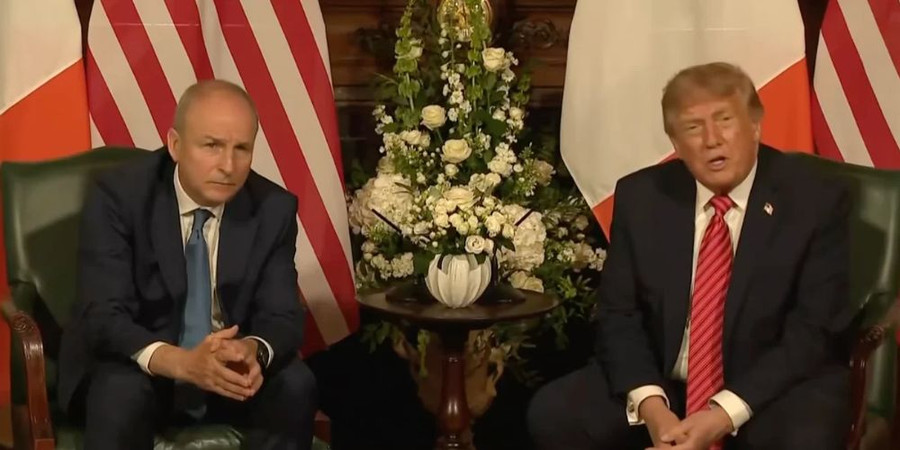
Starmer reiterated that message this week while meeting with the US president. Yet attacks on those expressing opinions—particularly involving sensitive topics like immigration—are becoming increasingly common.
Edwards’ post questioned whether it was fair for local councils to allocate resources to Afghan arrivals while “many of our own veterans remain homeless.” He also slammed the use of a super-injunction by ministers to suppress public knowledge of Operation Rubific.
Internal documents revealed by the Mail noted “significant integration considerations” and warned the relocation effort would put additional strain on housing, education, and healthcare systems.
“This was never about how I scrutinised a policy, but which policy I scrutinised,” Edwards said. “They’ve escalated baseless complaints because they are either too timid to uphold democracy and free speech — or they’re wilfully enabling the suppression of those rights by weaponising the complaints process.”
The Free Speech Union has taken up Edwards' case, with director Samuel Armstrong calling the incident “chilling.” “Far from inciting racial hatred, his Facebook posts are genuinely some of the most anodyne messages I have ever seen,” he said.
John Edwards, an independent councillor in the city of Sandhurst, posted in April about Operation Rubific—a plan in which 320 Afghan nationals were moved into a local hotel without public notice.
While Edwards made clear that he supported treating all arrivals “with dignity and respect,” he raised serious concerns about the lack of public consultation, the potential impact on housing lists for locals, and what he called a “serious lack of transparency.”
Then, Edwards says he was accused of “spreading hate” and “misinformation” about an ethnic group, leading to a formal code of conduct investigation by Bracknell Forest Council and at least one report made to Thames Valley Police.
“Another councillor has said publicly they have reported me to the police for ‘stirring racial hatred’. This would be a serious criminal offence,” Edwards told the Daily Mail. “It’s stressful, it’s potentially very harmful to my reputation.”
A council official, monitoring officer Sanjay Prashar, wrote to Edwards saying, “I do consider there to be a case to answer.” Critics also accused Edwards of revealing the hotel’s identity, a claim he disputes. He says any images he posted were intentionally blurred and publicly available.
The incident comes amid renewed scrutiny over freedom of speech in Britain. On Monday, Prime Minister Keir Starmer responded to growing concerns by insisting that “we're not censoring anyone,” amid rising criticism over online speech restrictions and government pressure on platforms.
“We've got some measures which are there to protect children, in particular, from sites like suicide sites,” Starmer said. “I personally feel very strongly that we should protect our young teenagers, and that’s what it usually is, from things like suicide sites. I don’t see that as a free speech issue, I see that as child protection.”
Starmer previously addressed the matter in February, saying, “We've had free speech for a very, very long time in the United Kingdom and it will last for a very, very long time,” comments which were made in response to criticisms made by Vice President JD Vance.
Starmer reiterated that message this week while meeting with the US president. Yet attacks on those expressing opinions—particularly involving sensitive topics like immigration—are becoming increasingly common.
Edwards’ post questioned whether it was fair for local councils to allocate resources to Afghan arrivals while “many of our own veterans remain homeless.” He also slammed the use of a super-injunction by ministers to suppress public knowledge of Operation Rubific.
Internal documents revealed by the Mail noted “significant integration considerations” and warned the relocation effort would put additional strain on housing, education, and healthcare systems.
“This was never about how I scrutinised a policy, but which policy I scrutinised,” Edwards said. “They’ve escalated baseless complaints because they are either too timid to uphold democracy and free speech — or they’re wilfully enabling the suppression of those rights by weaponising the complaints process.”
The Free Speech Union has taken up Edwards' case, with director Samuel Armstrong calling the incident “chilling.” “Far from inciting racial hatred, his Facebook posts are genuinely some of the most anodyne messages I have ever seen,” he said.