Politics
UK to lower voting age to 16 ahead of next general election
Prime Minister Keir Starmer defended the move, stating that “teenagers who paid taxes” deserved to have a say in how their money is spent.
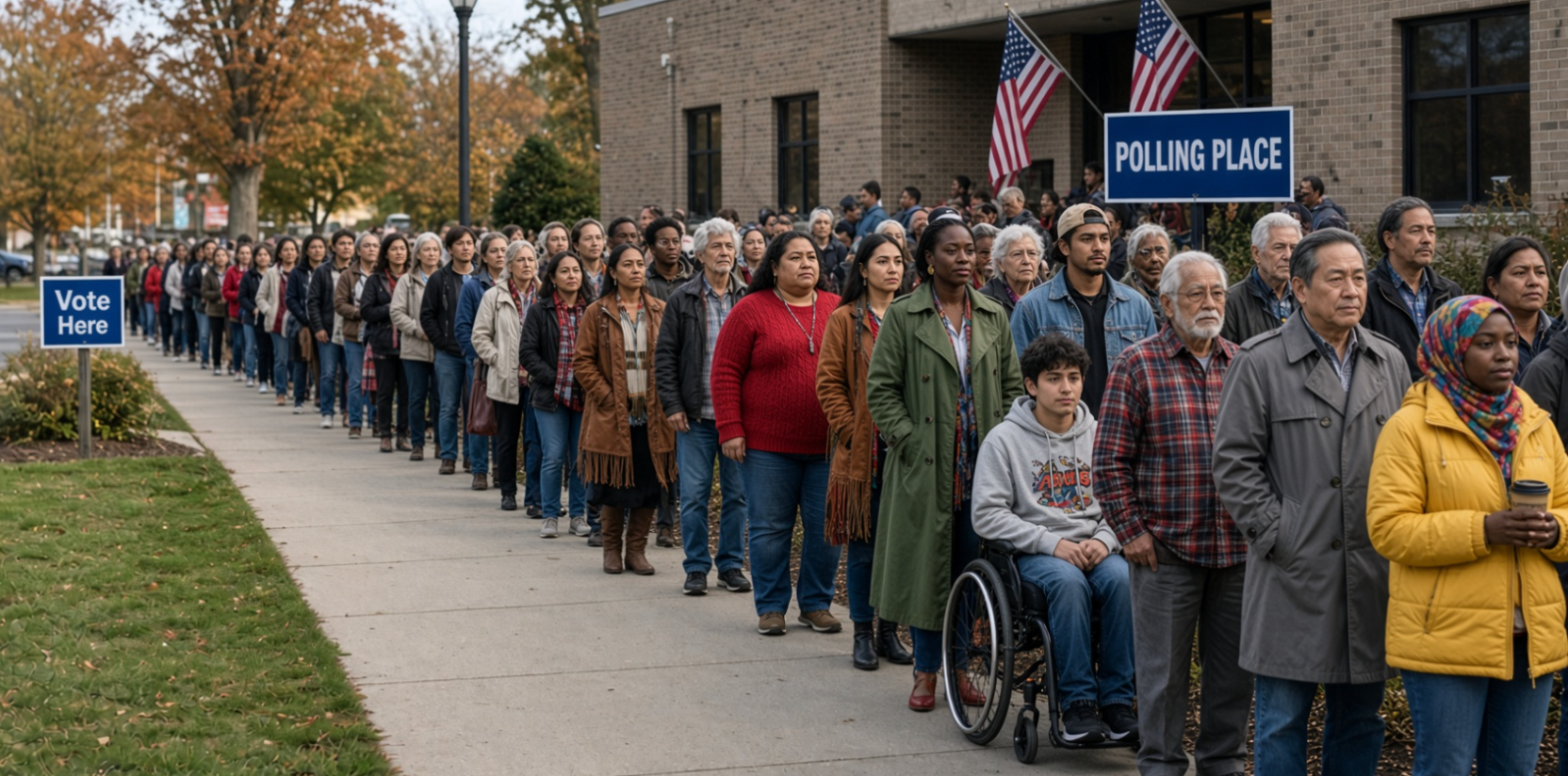
Sixteen and seventeen-year-olds across the United Kingdom will be eligible to vote in general elections for the first time under new changes announced by the government, according to The Guardian.
The reform, set to take effect before the next election, fulfills Labour's manifesto pledge and marks the most significant shift in the voting franchise since 1969, when the legal voting age was reduced from 21 to 18.
The policy change brings the entire UK in line with Scotland and Wales, where 16- and 17-year-olds already vote in devolved and local elections.
Supporters say it reflects the responsibilities many teenagers already take on, including paying taxes and, in some cases, serving in the military.
Prime Minister Keir Starmer defended the move, stating that “teenagers who paid taxes” deserved to have a say in how their money is spent.
Deputy Prime Minister Angela Rayner added that the measure is part of a broader effort to “break down barriers to participation” and “strengthen the foundations of our society.”
Electoral reform advocates welcomed the announcement as a way to increase democratic participation among young people. The UK will now join a small group of countries worldwide that allow voting from age 16, including Austria, Malta, Brazil, Argentina, and Cuba.
The Conservative Party called the change “confusing" and noted that 16-year-olds cannot legally smoke, drink, or buy lottery tickets.
Reform UK leader Nigel Farage accused Labour of trying to "rig the system" by exposing students to “leftwing prejudice” in schools, but claimed his party would actively campaign for support from the new voting bloc.
Alongside the voting age change, the government announced a package of electoral reforms, including expanding accepted voter ID forms and measures aimed at reducing foreign political interference.
Roberto Wakerell-Cruz
Roberto Wakerell-Cruz reports for Human Events.
Related
More Politics