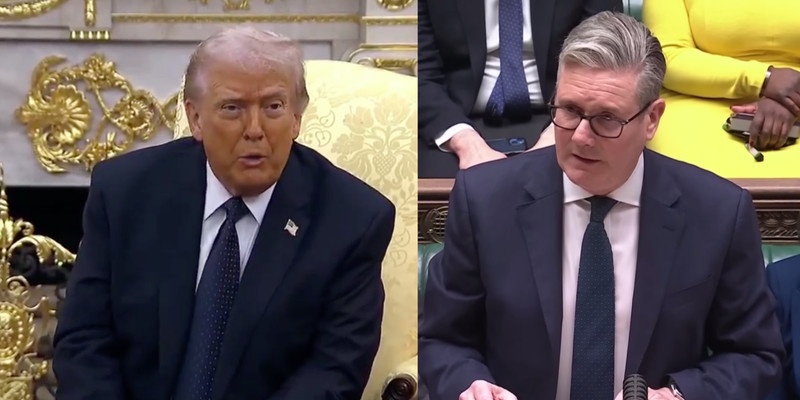

The United Kingdom has convened foreign ministers from 40 countries to address the worsening disruption in the Strait of Hormuz, a key global shipping route affected by the ongoing conflict involving the United States, Israel, and Iran. The emergency talks come as tensions rise over access to energy supplies, and it’s putting pressure on governments worldwide, according to Reuters.
UK Foreign Secretary Yvette Cooper said Iran’s “recklessness” in blockading the waterway was “hitting our global economic security” as she chaired the virtual meeting on Thursday.
“We have seen Iran hijack an international shipping route to hold the global economy hostage,” Cooper said in opening remarks broadcast to the media before the rest of the meeting took place behind closed doors.
The Strait of Hormuz, a critical passage for oil and gas shipments, has been partially blocked, disrupting global markets. Some vessels have reportedly been allowed through under conditions, including payments of up to $2 million per voyage.
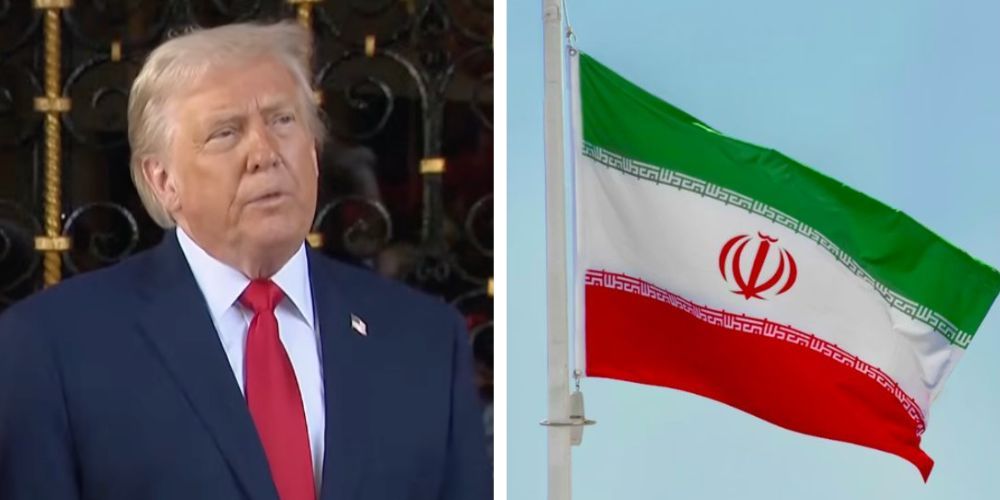
US President Donald Trump responded by criticizing countries that did not take part in military strikes against Iran, including the UK. In a post on Truth Social, he said those nations should manage the situation themselves.
“All of those countries that can’t get jet fuel because of the Strait of Hormuz, like the United Kingdom, which refused to get involved in the decapitation of Iran, I have a suggestion for you: Number 1, buy from the U.S., we have plenty, and Number 2, build up some delayed courage, go to the Strait, and just TAKE IT."
“You’ll have to start learning how to fight for yourself, the U.S.A. won’t be there to help you anymore, just like you weren’t there for us. Iran has been, essentially, decimated. The hard part is done. Go get your own oil! President DJT.”
Trump’s comments follow reports he had considered withdrawing US involvement without a plan to reopen the route, potentially leaving Iran in control of the waterway.
US Defense Secretary Pete Hegseth also slammed allied naval capabilities. “It is not just the United States navy. Last time I checked, there was supposed to be a big, bad Royal Navy that could be prepared to do things like that as well.”
The UK has increased its military presence in the Middle East to around 1,000 personnel. Defence Secretary John Healey, currently visiting Saudi Arabia, Qatar, and Bahrain, said British forces are supporting regional partners.
Healey said: “Britain’s best” were working to protect allies, adding that regional leaders “underline how valued Britain’s defensive help is – and they also underline the fact that they judge us by our actions and not our words.”
UK Foreign Secretary Yvette Cooper said Iran’s “recklessness” in blockading the waterway was “hitting our global economic security” as she chaired the virtual meeting on Thursday.
“We have seen Iran hijack an international shipping route to hold the global economy hostage,” Cooper said in opening remarks broadcast to the media before the rest of the meeting took place behind closed doors.
The Strait of Hormuz, a critical passage for oil and gas shipments, has been partially blocked, disrupting global markets. Some vessels have reportedly been allowed through under conditions, including payments of up to $2 million per voyage.
US President Donald Trump responded by criticizing countries that did not take part in military strikes against Iran, including the UK. In a post on Truth Social, he said those nations should manage the situation themselves.
“All of those countries that can’t get jet fuel because of the Strait of Hormuz, like the United Kingdom, which refused to get involved in the decapitation of Iran, I have a suggestion for you: Number 1, buy from the U.S., we have plenty, and Number 2, build up some delayed courage, go to the Strait, and just TAKE IT."
“You’ll have to start learning how to fight for yourself, the U.S.A. won’t be there to help you anymore, just like you weren’t there for us. Iran has been, essentially, decimated. The hard part is done. Go get your own oil! President DJT.”
Trump’s comments follow reports he had considered withdrawing US involvement without a plan to reopen the route, potentially leaving Iran in control of the waterway.
US Defense Secretary Pete Hegseth also slammed allied naval capabilities. “It is not just the United States navy. Last time I checked, there was supposed to be a big, bad Royal Navy that could be prepared to do things like that as well.”
The UK has increased its military presence in the Middle East to around 1,000 personnel. Defence Secretary John Healey, currently visiting Saudi Arabia, Qatar, and Bahrain, said British forces are supporting regional partners.
Healey said: “Britain’s best” were working to protect allies, adding that regional leaders “underline how valued Britain’s defensive help is – and they also underline the fact that they judge us by our actions and not our words.”