
A stalwart plot line of mid to late 20th century sitcoms was the Sadie Hawkins dance. I've never met anyone who went to an actual Sadie Hawkins dance, but they were all over prime time. The idea was that these dances flipped the script and the girls had to ask the boys to be their date. The male characters on the shows were stressed out and so were the women who were not fans of having to turn around and ask the boys out when they were the ones accustomed to being pursued.
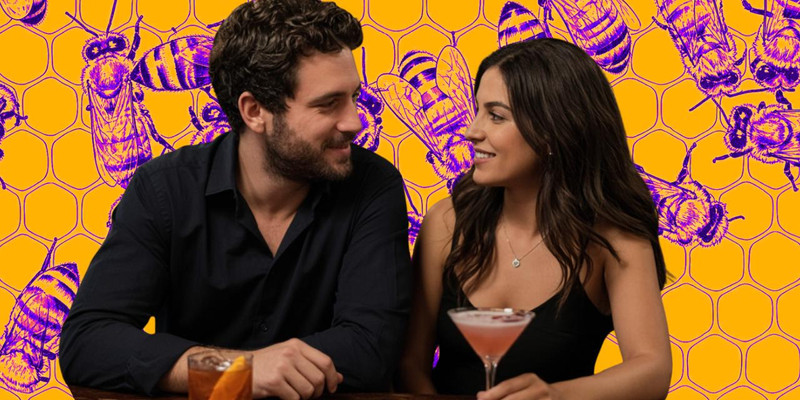
Enter Bumble, a dating app that demanded women be the first to approach and the men just wait to be asked. The app, founded by Whitney Wolfe Herd in 2014, sought to empower women to initiate conversation with the men they found desirable. The only problem was, as it turns out, women want to be asked, not do the asking. That's why, more than 10 years in, Bumble has had to make the change just to survive.
The women-message-first model was "the dream of girlboss dating," reports The Atlantic's Faith Hill, saying it was "lovely" while it lasted. But was it? Do women want to be the aggressors and see men as subservients waiting to be asked? Call me old-fashioned (I'm not, really, I promise) but women want to drop little hints that they'd like to be pursued and then have the man do the pursuing. It's not that women can't be forward, they sure can, and there's nothing wrong with that, but there are feminine ways to be forward and masculine ways to be forward and mostly (yeah yeah, exceptions abound, I know) women want to be feminine forward and let the man do the asking, the door opening, the protecting.
The Atlantic notes that the idea behind Bumble when it was first founded to compete with Tinder, Match, and all the other apps that vary from pursuit of hook-ups to a quest for marriage and relationship longevity, was to "revolutionize romance and empower women." Men were sending dick pics, which no one wanted, and lots of fellas didn't know how to even open negotiations. So why not let the woman lead?
"Bumble was built on the premise that men, by nature or nurture, are chasers—and that for too long women have simply been their reward," The Atlantic's Faith Hill writes. But the thing is, throughout relationship history, women haven't been the chasee while rather being the chaser; oh no. Women want to be wanted, that's a big part of what female desire is, to be yearned for, lusted after, fancied, craved.
Sure, modern women will tell you all day that this isn't what they're looking for, and it's not the end, for sure, but it's certainly the beginning. What girl would want to go out with a man if she wasn't sure he wanted her? Lots of romance rhetoric these days tells us the opposite of what is true, and Bumble is among those. It's all well and good to say women want to be girlbosses, and yeah it's fine to be in charge, but not to be in charge of everything, and certainly not of romance.
What girlboss wants to come home after a long day of bossing people around just to find she's got to be in charge in romance, too? All the talk about ladies taking the lead pushes men to take a step back into beta and not only do they mostly hate that, but women hate it, and romance ends up dead.
Hill posits that "The idea of men as pursuers was based on the assumption that they’re the ones with the power. But now many women, having gained a certain level of educational and professional might, aren’t so desperately reliant on men anymore. The rules regarding who leads and who follows are hazy, and in the absence of a clear mandate, a lot of people simply want the other person to do the work."
I don't think that's what it is. Women crave to lean on a strong man who can see through the haze of her bossiness and know that she doesn't want to be the manager in all aspects of her life.
I think it's that there's a reason traditional romance roles saw the male as masculine and the woman as feminine and attributed courtship traits thusly—it worked. It was the most common, effective way to make relationships. Why are we so hung up on not telling the truth? Men and women can be equals and still have the man lead, men and women can be equals and the woman can still run companies, men can still change diapers, and the reverse is also true.
Manufacturing relationship norms and rules based on some social idealist "should" just leads to unhappiness and dateless nights. Bumble has realized that so much of the time, when women say what they want they are saying what they have been told they should want (while feeling guilt for not really wanting that) as opposed to what they really want, while men are saying what they think women want to hear so they can get laid.
Let's just be honest already: women want to be asked, not do the asking. Once the date is set, who leads can be negotiated as part of what has turned out to be rather complicated human mating rituals, but when it comes to who is chasing and who is being chased, the caveman rules still apply. And even better, get off the app and just go talk to her in person.
This article originally appeared in Libby Emmons' newsletter. You can subscribe here.