SOAD TABRIZI: Iran doesn't need a new shah—it needs a Trump of its own
Iran needs a fighter.
Anger is abundant. Leadership is not.
The Iranian people are once again hitting the streets in protest–this time over the country’s economic instability. And like most protests that erupt in Iran, chants calling for regime change quickly follow.
Protests began on December 28 when shopkeepers at the Grand Bazaar in Tehran–a place I have personally visited–began demonstrating in response to a severe economic crisis, including the Iranian rial plummeting to a record low against the U.S. dollar, soaring inflation, and widespread poverty. By the second day, civilians of all ages had taken to the streets in Mashhad, Kermanshah, Hamedan, Karaj, Malard, Qeshm, and Tabriz.
Iran has seen a number of protests by its citizens in recent years. Beginning in 2017-2018, economic protests over rising food prices spread to more than 100 cities before being crushed without consequence; in 2019, fuel price hikes ignited the bloody nationwide unrest known as “Bloody November,” which the regime survived by cutting internet access and killing protesters in the streets. Subsequent waves in 2021 and 2022 over water shortages, inflation, and food prices followed the same pattern–localized outrage, rapid suppression, and zero structural reform. The 2022-2023 Mahsa Amini uprising, unified under the slogan “Woman, Life, Freedom,” brought unprecedented global attention and widespread participation, yet even that historic movement ultimately failed to dislodge the Islamic Republic. The current protests sparked by the freefall of the rial and shuttered bazaars once again suggest a familiar cycle: public fury, loud chants, and no actual regime change.
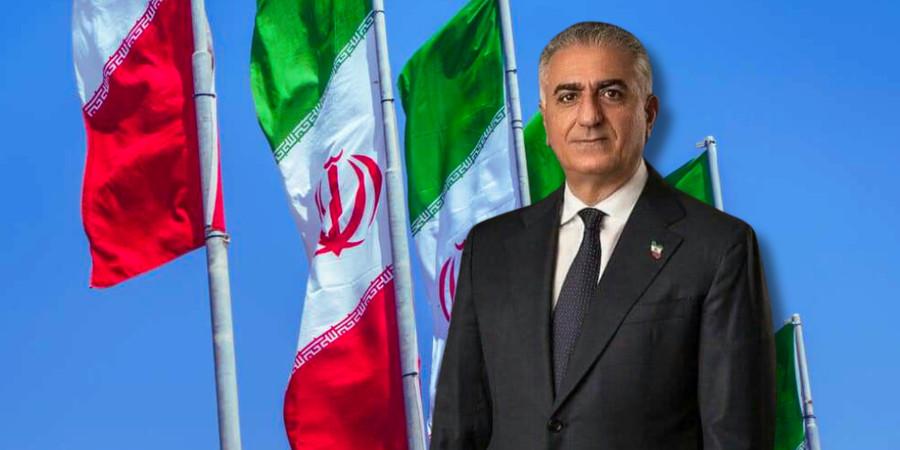
Throughout the protests, one common chant has been the call to bring the Shah’s son, Reza Cyrus Pahlavi, back into power to help lead the Iranian people back to prosperity.
However–I disagree. I’ll explain, but first, a little history.
The current Islamic regime in Iran emerged from the 1979 revolution that toppled Mohammad Reza Shah Pahlavi, whose rule collapsed amid economic unrest, political repression, and mounting opposition fueled by both internal dissent and foreign interference. As protests escalated, the Shah–ill with cancer and increasingly isolated–left Iran in January 1979, effectively abandoning the country, its people, and the throne, a decision that created a power vacuum rather than resistance. In the chaos that followed, street unrest intensified, aided by leftist factions, Islamist networks, and Western intelligence miscalculations, including involvement by the United States, Britain, and France, that helped clear the path for Ruhollah Khomeini, who, while living comfortably in exile in France, disseminated recorded sermons into Iran that actively fueled unrest and primed his followers for his return and takeover. Khomeini’s rise was not the organic will of a unified Iranian people but the result of destabilization, propaganda, and the Shah’s refusal to confront the uprising decisively–an abdication that handed Iran over to a theocratic tyrant whose regime has ruled through repression ever since.
The Shah was not a fierce leader. He loved the pomp and circumstance of his monarchy, but when faced with opposition, he did not send his military into the streets to regain control, fight with his power, and lead the charge. He did the exact opposite–he left.
And his son, whom I do appreciate for his love for his people, has never led a charge of any kind. He has never demanded answers from the American government or used his influence to garner support from other nations. Instead, he makes neutral, safe proclamations to his audience that sound sweet. You do not topple murderous regimes with “sweet.”
Iran needs a fighter. Someone who knows how to use his words to get under the skin of the mullahs in charge. Someone with the financial backing to avoid being owned by anyone or any nation, and someone who is not afraid to orchestrate a bloody take-back if that is what is required. In essence, Iran needs a Trump.
Sadly, it does not have one–at least not one who has revealed himself or been murdered by the current regime.
I have longed for the day I can return to my country of origin and hold my relatives tight. That day will not come through slogans, nostalgia, or exiled figureheads. It will come when Iran produces a leader willing to fight as hard as its people have suffered. I pray that leader emerges during this administration. Soad Tabrizi is a licensed marriage and family therapist with a private practice based in Orange County, CA (www.soadtabrizi.com). Soad is also the founder of www.ConservativeCounselors.com.
Related
More World