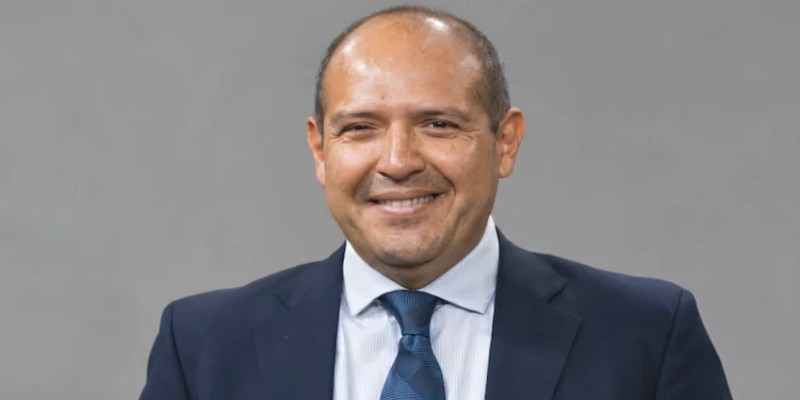

Mexican journalist Francisco Alejandro Leyva was shot and killed Wednesday in San Pablo Etla, Oaxaca, marking the second killing of a media figure in the country in less than a week.
Leyva, 60, was attacked while eating breakfast at a street food stand in the Oaxaca suburb. Authorities said the attackers fled the scene on a motorcycle and no arrests had been announced as of Thursday.
The journalist was a former executive producer for the Oaxacan Radio and Television Corporation and was known for his column “El zumbido de moscardón” (“The buzzing of a bumblebee”), where he regularly criticized political corruption and government decisions in Oaxaca.
His final article was published Tuesday night, focusing on insecurity in the state and alleged organized crime influence in local economies and politics. In the piece, Leyva also criticized the government’s handling of the Guelaguetza, an annual Indigenous cultural festival, arguing security problems and mismanagement had damaged the event.
Oaxaca state prosecutors said after the shooting that video from local surveillance cameras had been obtained as part of the investigation. On Thursday, Mexico’s Federal Attorney General’s Office announced it would take over the case at the request of state authorities and assigned it to the Specialized Prosecutor’s Office for Human Rights.
Authorities have not publicly identified a motive for the killing.
Leyva had previously reported receiving death threats, filing a complaint with the state Human Rights Ombudsman’s Office more than a year ago. He linked the threats to criticism he received from Oaxaca Governor Salomón Jara during the governor’s regular press conferences.
Jara condemned the killing, saying Leyva had been critical of his administration but that journalism disagreements could not justify violence.
“[Leyva] was a journalist critical of our government (…) but no difference with the practice of journalism can ever justify an act of violence,” Jara said.
Press freedom organizations condemned the killing, with Reporters Without Borders saying, “The murder of seven journalists in just over six months is evidence of a serious and sustained failure of the Mexican state,” while calling for the federal government to create “a national emergency plan.”
More than six journalists have been killed in Mexico this year, with five deaths occurring since June 11. Josué Martínez, executive producer of Noticias San Martín Texmelucan, was also killed in July.
Reuters has described Mexico as “one of the most dangerous countries in the world for journalists outside active war zones,” noting that “the vast majority of crimes against journalists go unpunished.”
Leyva, 60, was attacked while eating breakfast at a street food stand in the Oaxaca suburb. Authorities said the attackers fled the scene on a motorcycle and no arrests had been announced as of Thursday.
The journalist was a former executive producer for the Oaxacan Radio and Television Corporation and was known for his column “El zumbido de moscardón” (“The buzzing of a bumblebee”), where he regularly criticized political corruption and government decisions in Oaxaca.
His final article was published Tuesday night, focusing on insecurity in the state and alleged organized crime influence in local economies and politics. In the piece, Leyva also criticized the government’s handling of the Guelaguetza, an annual Indigenous cultural festival, arguing security problems and mismanagement had damaged the event.
Oaxaca state prosecutors said after the shooting that video from local surveillance cameras had been obtained as part of the investigation. On Thursday, Mexico’s Federal Attorney General’s Office announced it would take over the case at the request of state authorities and assigned it to the Specialized Prosecutor’s Office for Human Rights.
Authorities have not publicly identified a motive for the killing.
Leyva had previously reported receiving death threats, filing a complaint with the state Human Rights Ombudsman’s Office more than a year ago. He linked the threats to criticism he received from Oaxaca Governor Salomón Jara during the governor’s regular press conferences.
Jara condemned the killing, saying Leyva had been critical of his administration but that journalism disagreements could not justify violence.
“[Leyva] was a journalist critical of our government (…) but no difference with the practice of journalism can ever justify an act of violence,” Jara said.
Press freedom organizations condemned the killing, with Reporters Without Borders saying, “The murder of seven journalists in just over six months is evidence of a serious and sustained failure of the Mexican state,” while calling for the federal government to create “a national emergency plan.”
More than six journalists have been killed in Mexico this year, with five deaths occurring since June 11. Josué Martínez, executive producer of Noticias San Martín Texmelucan, was also killed in July.
Reuters has described Mexico as “one of the most dangerous countries in the world for journalists outside active war zones,” noting that “the vast majority of crimes against journalists go unpunished.”