
Human Events Daily host Jack Posobiec reported on escalating tensions in Iran, Israel, and the United States, highlighting President Donald Trump’s efforts to negotiate a potential five-day partial ceasefire on energy infrastructure.
“Very significant activity over in Iran and Israel as well as in the United States,” Posobiec said, calling it the “biggest news of the day.” He emphasized that Trump is “driving all of this,” while Iran maintains there have been no official talks. “Of course that there's indirect talks and backchannel talks all the time in situations like this,” he added.
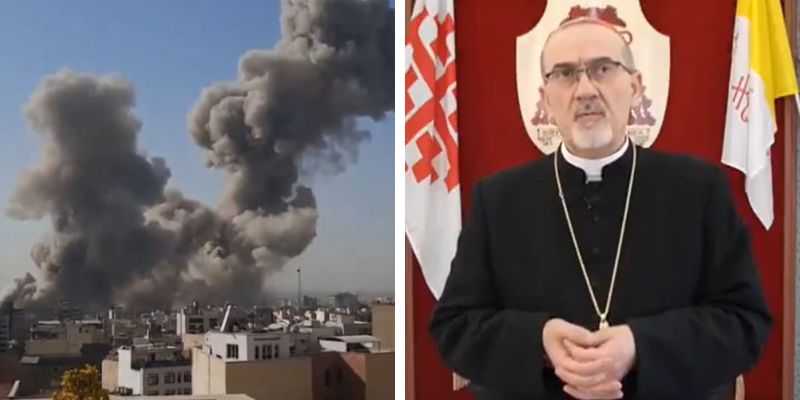
Posobiec noted the importance of de-escalatory signals amid threats to the Strait of Hormuz, while also warning of Iranian aggression. “We saw Iran ratchet up the escalatory ladder by conducting ballistic missile strikes in towns like Damona and Arad,” he said. He highlighted Damona’s proximity to Israel’s nuclear research complex and sites reportedly housing nuclear weapons, calling the strikes “a major message being sent.”
Discussing Israel’s and US military actions, Posobiec reported, “We've also saw Israeli airstrikes and US airstrikes in and in and across Iran: Tehran, Parchin, Iraq, Isfahan, Kerman, Bandar-e-Lag.” He said that officials claim, “85 percent of Iranian SAM sites have been destroyed,” referring to surface-to-air missiles.
Posobiec also stressed the economic consequences of these strikes, particularly in the liquefied natural gas sector. “We're also seeing this major long-term damage to LNG sites in the area, specifically Qatar,” he said. “We're not talking about disruption to the gas markets… we're talking about destruction of their capabilities, destruction of these refineries, tens of billions of dollars lost. And it's all about the Strait of Hormuz.”
“That is your SITREP as we enter day 24 of Operation Iran Human Rights.”
“Very significant activity over in Iran and Israel as well as in the United States,” Posobiec said, calling it the “biggest news of the day.” He emphasized that Trump is “driving all of this,” while Iran maintains there have been no official talks. “Of course that there's indirect talks and backchannel talks all the time in situations like this,” he added.
Posobiec noted the importance of de-escalatory signals amid threats to the Strait of Hormuz, while also warning of Iranian aggression. “We saw Iran ratchet up the escalatory ladder by conducting ballistic missile strikes in towns like Damona and Arad,” he said. He highlighted Damona’s proximity to Israel’s nuclear research complex and sites reportedly housing nuclear weapons, calling the strikes “a major message being sent.”
Discussing Israel’s and US military actions, Posobiec reported, “We've also saw Israeli airstrikes and US airstrikes in and in and across Iran: Tehran, Parchin, Iraq, Isfahan, Kerman, Bandar-e-Lag.” He said that officials claim, “85 percent of Iranian SAM sites have been destroyed,” referring to surface-to-air missiles.
Posobiec also stressed the economic consequences of these strikes, particularly in the liquefied natural gas sector. “We're also seeing this major long-term damage to LNG sites in the area, specifically Qatar,” he said. “We're not talking about disruption to the gas markets… we're talking about destruction of their capabilities, destruction of these refineries, tens of billions of dollars lost. And it's all about the Strait of Hormuz.”
“That is your SITREP as we enter day 24 of Operation Iran Human Rights.”