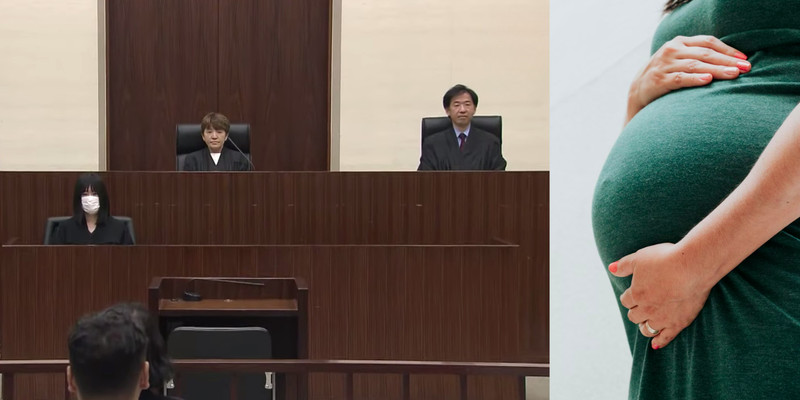

A Tokyo District Court on Tuesday dismissed a lawsuit challenging Japan’s restrictions on voluntary sterilization, ruling that the country’s current legal framework does not violate constitutional protections of bodily autonomy or gender equality. But the court also suggested that the system itself may need updating.
The case was brought by 29-year-old Kazane Kajiya and four others who sought sterilization after decades of discomfort over their reproductive capacity and societal pressure on women to have children. “Women should have the right to determine what to do with their own bodies, not the government,” the plaintiffs said, according to Japan Times.
Under Japanese law, sterilization for women is only allowed when pregnancy or childbirth poses a serious risk to health, or when a person has already had multiple children and further pregnancies could endanger their well-being. Spousal consent—including from common-law partners—is also required. Doctors who perform the procedure outside these conditions face up to one year in prison or fines up to ¥500,000 ($3,140).
Presiding Judge Masahiro Kamano acknowledged that the Constitution guarantees the right to contraception but said it does not automatically grant the right to sterilization. “There are multiple forms of contraception available to women, including ones that they can use themselves,” he said. “The inability to undergo sterilization does not mean she cannot protect herself from pregnancy, nor that her life is at stake.”
The plaintiffs had argued that the Maternal Health Act treats women as instruments of childbirth rather than autonomous individuals. They sought ¥1 million in damages and claimed the law violated Article 13 of the Constitution, which guarantees respect for individual dignity, and Article 24, which emphasizes gender equality in family law. The court rejected these claims.
However, Kamano criticized the health risk requirements in the law, calling them irrational. “The system concerning sterilization surgery, including the provisions in question, should be appropriately reviewed,” he said.
Lead counsel Michiko Kameishi called the ruling a partial victory. “The fact that this ruling explicitly stated that … the system surrounding sterilization … needs to be reviewed is an extremely significant step forward,” she said.
Kajiya, who has undergone sterilization in the US, said the lawsuit was necessary for women in Japan. “The Maternal Health Act imposes stigma on women and makes them feel guilty for choosing a life without children, for choosing their own bodies for themselves,” she said. “Even if within the Japanese legal system I may be seen as someone who has chosen the wrong way to live, I want to walk forward proudly, knowing that I have done nothing wrong, and made the right decision for me.”
Japan is among the few developed nations with strict limits on voluntary sterilization, alongside countries such as Iran, Malaysia, Lithuania, and Poland. The plaintiffs have filed an appeal with the Tokyo High Court.
The ruling comes as Japan continues to face a demographic crisis. In 2024, the country recorded fewer than 700,000 births for the first time since 1899, with a fertility rate of roughly 1.15–1.20, far below the 2.07 needed for population stability. Deaths outnumber births by more than two to one, and nearly 30% of the population is aged 65 or older.
The case was brought by 29-year-old Kazane Kajiya and four others who sought sterilization after decades of discomfort over their reproductive capacity and societal pressure on women to have children. “Women should have the right to determine what to do with their own bodies, not the government,” the plaintiffs said, according to Japan Times.
Under Japanese law, sterilization for women is only allowed when pregnancy or childbirth poses a serious risk to health, or when a person has already had multiple children and further pregnancies could endanger their well-being. Spousal consent—including from common-law partners—is also required. Doctors who perform the procedure outside these conditions face up to one year in prison or fines up to ¥500,000 ($3,140).
Presiding Judge Masahiro Kamano acknowledged that the Constitution guarantees the right to contraception but said it does not automatically grant the right to sterilization. “There are multiple forms of contraception available to women, including ones that they can use themselves,” he said. “The inability to undergo sterilization does not mean she cannot protect herself from pregnancy, nor that her life is at stake.”
The plaintiffs had argued that the Maternal Health Act treats women as instruments of childbirth rather than autonomous individuals. They sought ¥1 million in damages and claimed the law violated Article 13 of the Constitution, which guarantees respect for individual dignity, and Article 24, which emphasizes gender equality in family law. The court rejected these claims.
However, Kamano criticized the health risk requirements in the law, calling them irrational. “The system concerning sterilization surgery, including the provisions in question, should be appropriately reviewed,” he said.
Lead counsel Michiko Kameishi called the ruling a partial victory. “The fact that this ruling explicitly stated that … the system surrounding sterilization … needs to be reviewed is an extremely significant step forward,” she said.
Kajiya, who has undergone sterilization in the US, said the lawsuit was necessary for women in Japan. “The Maternal Health Act imposes stigma on women and makes them feel guilty for choosing a life without children, for choosing their own bodies for themselves,” she said. “Even if within the Japanese legal system I may be seen as someone who has chosen the wrong way to live, I want to walk forward proudly, knowing that I have done nothing wrong, and made the right decision for me.”
Japan is among the few developed nations with strict limits on voluntary sterilization, alongside countries such as Iran, Malaysia, Lithuania, and Poland. The plaintiffs have filed an appeal with the Tokyo High Court.
The ruling comes as Japan continues to face a demographic crisis. In 2024, the country recorded fewer than 700,000 births for the first time since 1899, with a fertility rate of roughly 1.15–1.20, far below the 2.07 needed for population stability. Deaths outnumber births by more than two to one, and nearly 30% of the population is aged 65 or older.