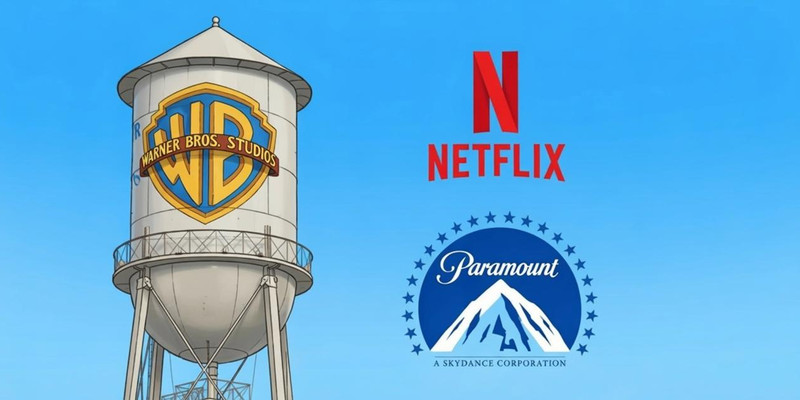

As federal antitrust regulators intensify scrutiny of major media mergers, Netflix is pushing ahead with plans to acquire Warner Bros. Discovery — a move that comes on the heels of yet another round of subscription price hikes that have already strained millions of American households.
Over the weekend, President Trump declared his opposition and his intent to use antitrust action should Netflix and Warner Bros. Discovery move forward. Good for him. It's obvious that the deal will hurt consumers across the country.
Earlier this year, Netflix raised subscription prices on their customers again, who have watched costs soar by over 100 percent in just over a decade. Even the ad-supported subscription tier experienced its first-ever price hike. Indeed, this rise in subscription prices occurred after cracking down on password sharing as well, in yet another blatant attempt to get even more subscribers and even more money.
Their stated reason for this price increase was growth in their subscribers over the past year. More customers already means more money for the company, but that apparently isn't enough for Netflix.
Netflix's consumers are only going to lose out if the company's buyout of Warner Bros. Discovery goes through. The purchase would merge it with the customer base of HBO Max, a rival streaming platform which is owned by Warner Bros. Discovery, and that of Netflix. With less industry competition, Netflix will have even less pressure to keep its prices under control.
This phenomenon is exactly why antitrust laws limit monopoly power in the first place. Absent competition, companies are tempted to raise prices without any motivation to produce better content. In the case of Netflix's attempted acquisition of Warner Bros. Discovery, that would mean the destruction of some of the most beloved ongoing franchises in movie history (such as DC Comics) as well as the death of the movie-making genius that gave us some of the great films of all time (such as The Shawshank Redemption or The Wizard of Oz).
According to the Clayton Antitrust Act of 1914, acquisitions cannot occur if the result would "substantially…lessen competition, or…tend to create a monopoly." According to the New York Times, both the Federal Trade Commission and the Justice Department believe that the acquisition would "raise a presumption of illegality."
Netflix, of course, protests this contention. But the way Netflix has been behaving already doesn't bode well for how it would behave if it's granted a near-streaming monopoly.
Legal experts argue that the feds will consider its history with price gouging when deciding whether or not to allow the purchase of Warner Bros. Discovery to occur.
"A deal this large would raise concerns that Netflix could gain too much control over both distribution and premium content," Joseph Raetzer, an attorney and legal content reviewer at the legal platform LawDistrict, says. "Regulators would worry that owning a major studio could let Netflix favor its own platform, limit where Warner Bros. content appears, or raise prices for consumers and advertisers."
Netflix has a long road ahead in proving to regulators, and the President of the United States himself, who is already unsure about the Netflix acquisition, that their acquisition of Warner Bros. Discovery would not eliminate competition to the point that they could raise prices on consumers unabated. It's hardly a question that Netflix would raise prices given the chance, and more a question of whether the company will have that chance.
Hopefully, the Trump administration doesn't give it.
Ed Woodson is a lawyer and conservative talk radio host who guest hosts for Laura Ingraham.