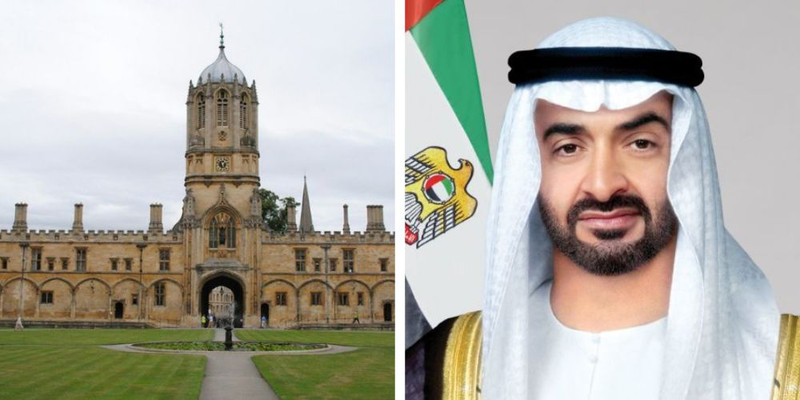

The United Arab Emirates has cut state funding for Emirati citizens studying at universities in the United Kingdom, citing concerns about Islamist radicalization on British campuses and the influence of the Muslim Brotherhood.
According to a report by the Financial Times, UAE officials have made it clear to the UK that the decision was because people "don’t want their kids to be radicalised on campus.”
The UAE had informally excluded British universities from eligibility for state-funded scholarships for some time, but the policy appeared to be formalized last summer. The shift became clear after British officials questioned why no UK institutions appeared on the UAE’s approved list of universities for government-backed scholarships.
The approved list includes universities in Europe, the United States, Israel, and others, but excludes all British institutions, including elite universities such as Cambridge and Oxford. As a result, degrees from UK universities now carry less weight in the UAE job market.
In 2024, roughly 8,500 Emirati students were studying in the United Kingdom. Many Emirati students who study abroad rely on state funding, which typically covers tuition, travel, insurance, and other living expenses.
The Financial Times reported that the policy reflects the UAE’s broader stance toward political Islam since the Arab uprisings of 2011. In the years that followed, the UAE launched a sweeping crackdown on Islamist movements at home and took an active role aimed at limiting the influence of political Islam. Under President Sheikh Mohammed bin Zayed al-Nahyan, Emirati officials have long criticized the UK for declining to ban the Muslim Brotherhood.
The British government conducted a review of the Muslim Brotherhood in 2015 and concluded that the group had not been linked to terrorist activity within or against the UK. Prime Minister Sir Keir Starmer’s government said last year that the issue remains “under review.”
Meanwhile, Nigel Farage, whose Reform UK party currently leads in some British opinion polls, has pledged to ban the Muslim Brotherhood if he becomes prime minister. The UAE government paid Farage to visit the country last year.
According to a report by the Financial Times, UAE officials have made it clear to the UK that the decision was because people "don’t want their kids to be radicalised on campus.”
The UAE had informally excluded British universities from eligibility for state-funded scholarships for some time, but the policy appeared to be formalized last summer. The shift became clear after British officials questioned why no UK institutions appeared on the UAE’s approved list of universities for government-backed scholarships.
The approved list includes universities in Europe, the United States, Israel, and others, but excludes all British institutions, including elite universities such as Cambridge and Oxford. As a result, degrees from UK universities now carry less weight in the UAE job market.
In 2024, roughly 8,500 Emirati students were studying in the United Kingdom. Many Emirati students who study abroad rely on state funding, which typically covers tuition, travel, insurance, and other living expenses.
The Financial Times reported that the policy reflects the UAE’s broader stance toward political Islam since the Arab uprisings of 2011. In the years that followed, the UAE launched a sweeping crackdown on Islamist movements at home and took an active role aimed at limiting the influence of political Islam. Under President Sheikh Mohammed bin Zayed al-Nahyan, Emirati officials have long criticized the UK for declining to ban the Muslim Brotherhood.
The British government conducted a review of the Muslim Brotherhood in 2015 and concluded that the group had not been linked to terrorist activity within or against the UK. Prime Minister Sir Keir Starmer’s government said last year that the issue remains “under review.”
Meanwhile, Nigel Farage, whose Reform UK party currently leads in some British opinion polls, has pledged to ban the Muslim Brotherhood if he becomes prime minister. The UAE government paid Farage to visit the country last year.