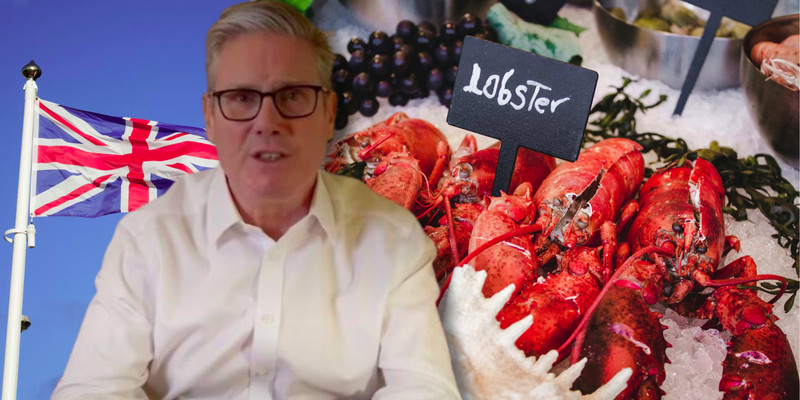

The announcement follows 2022 legislation under the previous Conservative government, recognizing that crustaceans are sentient and capable of feeling pain. The reforms are part of a broader package that could also ban trail hunting, cages for laying hens, and farrowing crates for pigs.
Restaurant owners and seafood suppliers immediately pushed back. James Chiavarini, owner of Il Portico and La Palombe in Kensington, said electrical stunning is impractical. “What are we supposed to do, shove them in a plug socket? Honestly, what restaurant is going to actually electrocute the lobsters before boiling them?”
The Shellfish Association of Great Britain warned that businesses unwilling to spend roughly £3,500 on stunning devices might switch to importing frozen seafood. John Loag of Scottish exporter JPL Shellfish called the strategy “ridiculously tough” on an already high-cost industry, citing rising wages and operational expenses.
National Farmers’ Union president Tom Bradshaw echoed concerns, warning the reforms could increase food production costs. “Words are easy, but we know that the cost of living is something that is giving the Government sleepless nights at the moment,” he said, reports GB News.
Animal welfare groups praised the announcement. Ben Sturgeon, chief executive of Crustacean Compassion, called it “a significant advancement for animal welfare,” while a YouGov survey earlier this year found 65 percent of adults oppose boiling shellfish alive.
Not all reactions were positive. Countryside Alliance chief Tim Bonner said the reforms seemed “driven more by the agenda of animal rights activists, than it does by actually improving animal welfare.” Shadow Environment Secretary Victoria Atkins accused the government of favoring foreign farmers over British producers by allowing imports with lower welfare standards.
The strategy has also reignited debates over other animal-related promises, including banning hunting trophies like leopard pelts and mounted lion heads, which remain unaddressed.