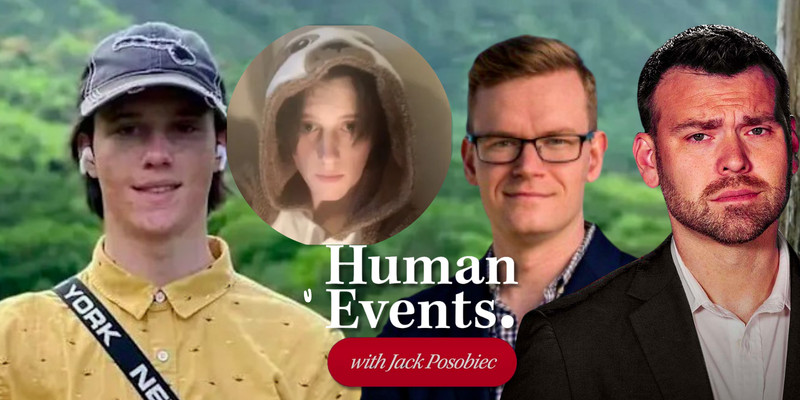

On Human Events Daily, host Jack Posobiec spoke with Article III Project senior counsel Will Chamberlain about newly released court documents showing that Lance Twiggs, the trans romantic partner and roommate of accused killer Tyler Robinson, was granted use immunity ahead of proceedings in the Charlie Kirk murder case.
Posobiec pointed to reporting revealing that Twiggs received the limited immunity agreement before the upcoming preliminary hearing in Provo, Utah. He said the filing appeared to confirm what many observers had suspected: that prosecutors wanted Twiggs' testimony and needed legal protections in place to secure it.
Chamberlain said the move was unsurprising.
"Not at all," Chamberlain said when asked whether it surprised him that Twiggs was granted immunity. "I think the prosecutors very much wanted to have his testimony."
He explained that any competent defense lawyer would have advised Twiggs not to speak with investigators without some form of immunity agreement.
"If I were Twiggs' lawyer, I would have told my client that he needed to plead the Fifth in relation to any testimony in the absence of some sort of immunity," Chamberlain said.
Chamberlain then explained the difference between use immunity and broader forms of immunity. Under use immunity, prosecutors cannot use a witness's testimony against him in a criminal case, nor can they use information derived from that testimony to build a prosecution. However, immunity does not protect a witness from charges if investigators obtain evidence through independent means.
"If independent evidence of a crime arises elsewhere, that can still be used to prosecute the guy," Chamberlain said.
He contrasted that with transactional immunity, which provides far broader protection and generally prevents prosecution over the subject matter covered by the testimony.
"That's the kind of thing you'd give to someone if you really just have no intention of prosecuting them at all," Chamberlain said.
According to Chamberlain, use immunity is commonly used when prosecutors need testimony from someone who is expected to invoke the Fifth Amendment. Once immunity is granted, a witness can no longer refuse to testify on self-incrimination grounds because the testimony itself cannot be used against him.
"The idea being that the Fifth Amendment no longer applies, because if your testimony can't be used against you in a criminal prosecution, you have no reasonable fear that it will incriminate you," he said.
Posobiec noted that public reporting has already established several facts involving Twiggs, including that he did not contact law enforcement after the killing and that Robinson's parents were ultimately the ones who notified authorities. Posobiec also referenced reports involving communications between Robinson and Twiggs after the murder, as well as reports that a handwritten note connected to the case was burned.
Asked whether those circumstances could explain why prosecutors wanted immunity in place before questioning Twiggs, Chamberlain said the filing itself should not be interpreted as proof of criminal involvement.
"I think the most you can basically guarantee is that the guy was going to claim the Fifth Amendment," Chamberlain said.
He said the immunity agreement solved that problem while still preserving prosecutors' ability to pursue charges if independent evidence later emerged.
"Use immunity here does not give him a get-out-of-jail-free card," Chamberlain said.
While acknowledging that questions remain about Twiggs' role and knowledge, Chamberlain said people should avoid reading too much into the immunity agreement itself.
"The extent of his involvement is really up in the air," he said.
Still, Chamberlain said that if he were representing Twiggs, the advice would have been straightforward.
"If you were Lance Twiggs's lawyer and you didn't want to get disbarred, your advice, first piece of advice to him would be, you're not talking to the police in the absence of an immunity deal," Chamberlain said. "It's just really, really simple. Don't let him incriminate himself."
Posobiec pointed to reporting revealing that Twiggs received the limited immunity agreement before the upcoming preliminary hearing in Provo, Utah. He said the filing appeared to confirm what many observers had suspected: that prosecutors wanted Twiggs' testimony and needed legal protections in place to secure it.
Chamberlain said the move was unsurprising.
"Not at all," Chamberlain said when asked whether it surprised him that Twiggs was granted immunity. "I think the prosecutors very much wanted to have his testimony."
He explained that any competent defense lawyer would have advised Twiggs not to speak with investigators without some form of immunity agreement.
"If I were Twiggs' lawyer, I would have told my client that he needed to plead the Fifth in relation to any testimony in the absence of some sort of immunity," Chamberlain said.
Chamberlain then explained the difference between use immunity and broader forms of immunity. Under use immunity, prosecutors cannot use a witness's testimony against him in a criminal case, nor can they use information derived from that testimony to build a prosecution. However, immunity does not protect a witness from charges if investigators obtain evidence through independent means.
"If independent evidence of a crime arises elsewhere, that can still be used to prosecute the guy," Chamberlain said.
He contrasted that with transactional immunity, which provides far broader protection and generally prevents prosecution over the subject matter covered by the testimony.
"That's the kind of thing you'd give to someone if you really just have no intention of prosecuting them at all," Chamberlain said.
According to Chamberlain, use immunity is commonly used when prosecutors need testimony from someone who is expected to invoke the Fifth Amendment. Once immunity is granted, a witness can no longer refuse to testify on self-incrimination grounds because the testimony itself cannot be used against him.
"The idea being that the Fifth Amendment no longer applies, because if your testimony can't be used against you in a criminal prosecution, you have no reasonable fear that it will incriminate you," he said.
Posobiec noted that public reporting has already established several facts involving Twiggs, including that he did not contact law enforcement after the killing and that Robinson's parents were ultimately the ones who notified authorities. Posobiec also referenced reports involving communications between Robinson and Twiggs after the murder, as well as reports that a handwritten note connected to the case was burned.
Asked whether those circumstances could explain why prosecutors wanted immunity in place before questioning Twiggs, Chamberlain said the filing itself should not be interpreted as proof of criminal involvement.
"I think the most you can basically guarantee is that the guy was going to claim the Fifth Amendment," Chamberlain said.
He said the immunity agreement solved that problem while still preserving prosecutors' ability to pursue charges if independent evidence later emerged.
"Use immunity here does not give him a get-out-of-jail-free card," Chamberlain said.
While acknowledging that questions remain about Twiggs' role and knowledge, Chamberlain said people should avoid reading too much into the immunity agreement itself.
"The extent of his involvement is really up in the air," he said.
Still, Chamberlain said that if he were representing Twiggs, the advice would have been straightforward.
"If you were Lance Twiggs's lawyer and you didn't want to get disbarred, your advice, first piece of advice to him would be, you're not talking to the police in the absence of an immunity deal," Chamberlain said. "It's just really, really simple. Don't let him incriminate himself."